Your Cart is Empty



Quick answer: Topical vitamin C is an antioxidant used to support brighter, more even-looking skin and help defend against environmental oxidative stress. L-ascorbic acid is the best-studied form, while derivatives may offer formulation or tolerability advantages. Results depend on stability, vehicle, regular use and daily sun protection.
Vitamin C can donate electrons, helping neutralize reactive oxygen species generated by ultraviolet exposure and pollution. It is also a cofactor in normal collagen synthesis and can interact with pathways involved in excess pigment formation. Those mechanisms support its use for antioxidant protection, uneven-looking tone and signs of photodamage, but the finished formula determines whether enough stable ingredient reaches the skin.
For dietary context, vitamin C food sources addresses intake rather than topical dosing. A food’s vitamin content is not an SPF rating or evidence for a serum’s finished formula.
| Goal | What the evidence supports | Important limit |
|---|---|---|
| Antioxidant support | Vitamin C can help reduce oxidative stress at the skin surface. | It is not sunscreen and does not provide a labeled SPF. |
| Dark spots and uneven tone | Topical vitamin C may gradually improve visible discoloration. | Post-acne marks, sun spots and melasma have different causes. |
| Fine-line appearance | Vitamin C supports collagen biology; some topical studies report cosmetic improvement. | It does not permanently erase wrinkles. |
| Dullness | More even tone and antioxidant support may improve radiance. | Dehydration or irritation may need a different first step. |
L-ascorbic acid is active and has the deepest topical research base, but it oxidizes readily and generally needs an acidic formula for penetration. Derivatives—including 3-O-ethyl ascorbic acid, sodium ascorbyl phosphate, magnesium ascorbyl phosphate and tetrahexyldecyl ascorbate—change stability, solubility or tolerability. Their clinical support varies.
Do not compare their percentages as if they were interchangeable. Use our vitamin C forms comparison and concentration guide for the details.
For derivative-specific detail, read ethyl ascorbic acid for skin. The rose water versus rosehip oil comparison also explains why a botanical name does not identify a vitamin C dose or interchangeable serum role.
Most skin types can use a suitable formula. Dry or sensitive skin may prefer a hydrating derivative formula or lower-frequency use. Oily or acne-prone skin should look at the entire base, not assume vitamin C itself will clog pores. Anyone with a damaged barrier should stabilize the routine before adding another active.
See vitamin C for sensitive, dry, oily and acne-prone skin.
Vitamin C can be used morning or night. Morning use pairs naturally with sunscreen, while night use is reasonable if it improves tolerance or consistency. Read the complete application, order and frequency guide.
If you are considering an additional visible-aging ingredient, using bakuchiol with vitamin C explains why the vitamin C form and the complete formulas matter.
When hydration is the additional goal, HA compatibility with vitamin C, niacinamide and retinoids covers the ingredient pairing. Keep the whole formula and routine tolerance in view rather than collecting duplicate humectant layers.
Vitamin C may help the appearance of post-inflammatory marks and uneven tone, but the cause must be addressed. Acne needs acne care; irritation should be stopped; melasma often benefits from dermatologist guidance; changing lesions need assessment. Visit the vitamin C serum for dark spots guide and hyperpigmentation causes guide.
For choosing among tone-focused ingredients, compare vitamin C, niacinamide, alpha arbutin and retinol. If pigment develops alongside irritation, the worsening-pigmentation guide explains why adding more of the same active may be the wrong response.
Use the acne-scar versus post-acne-mark guide to distinguish texture from discoloration, then the focused post-acne care guide for planning care. For another pigment pattern, the melasma guide keeps that condition separate from an ordinary brightening claim.
Air, light, heat, water, pH and packaging affect stability. A formula that changes markedly in color, smell or texture may have degraded. Some formulas are naturally tinted, so compare with the original product and manufacturer’s guidance. Learn why vitamin C serum turns yellow, orange or brown.
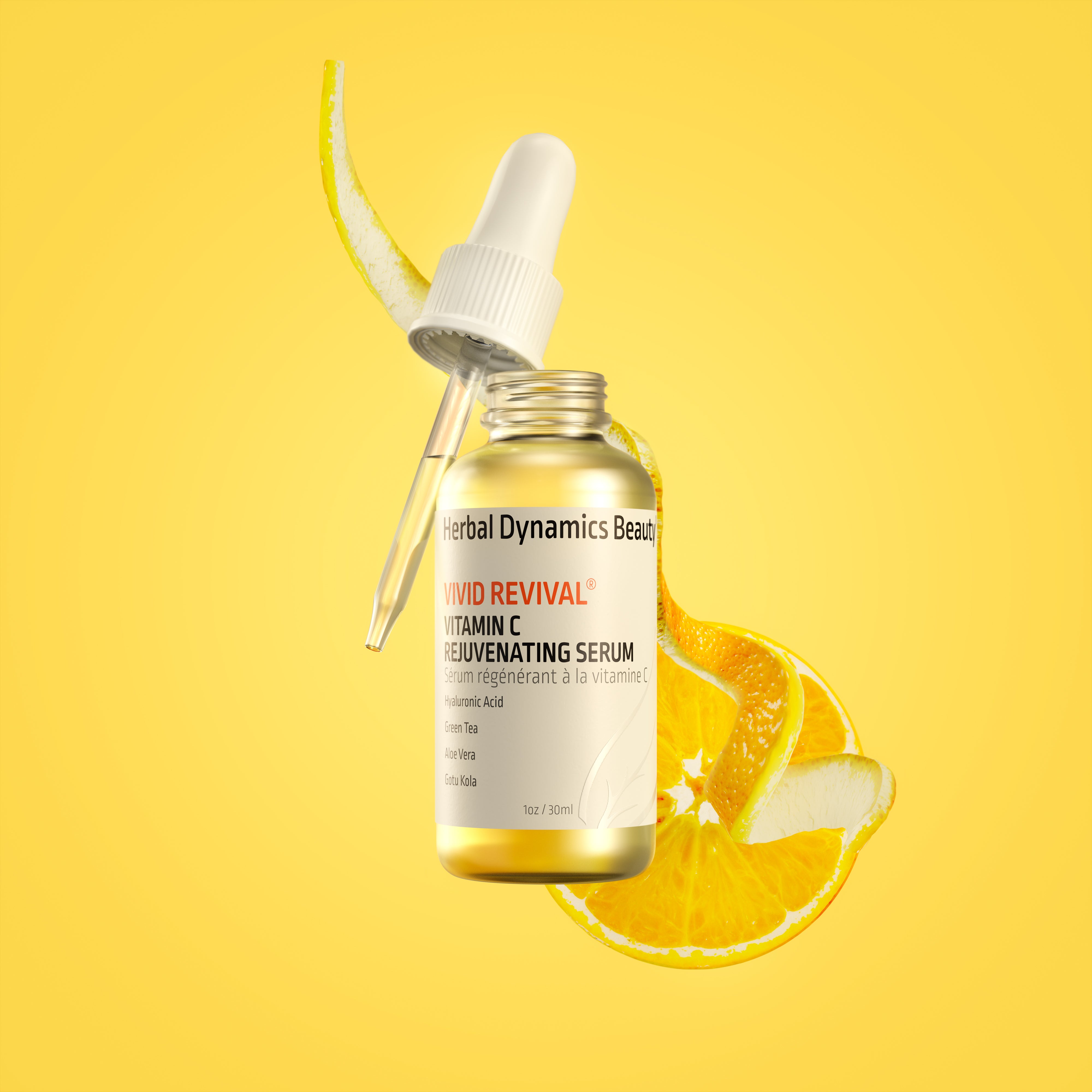
Vivid Revival® Vitamin C Rejuvenating Serum contains ethyl ascorbic acid in a hydrating base with hyaluronic acid, aloe, glycerin, green tea and centella asiatica. It is positioned as an antioxidant and brightening-support step, not a medical treatment.
True purging is not generally expected; new bumps are more likely irritation, a formula mismatch or another routine factor. See the full irritation guide.
Yes. Modern formulas can be combined; separate them only if texture or irritation makes that more comfortable.
Visible changes generally take weeks to months and vary by goal. There is no guaranteed deadline. See the realistic results timeline.
This article provides cosmetic education, not diagnosis or treatment. Consult a board-certified dermatologist for persistent pigmentation, a significant reaction or a changing skin lesion.
You do not need an exfoliating acid to activate a vitamin C serum. The acid-and-vitamin-C routine guide explains product restrictions and cumulative irritation; the exfoliation guide helps determine whether an extra surface step serves a separate goal.
For use around the eyes, consult the Vitamin C eye-area evidence and safety guide.
If you are comparing antioxidant ingredients, CoQ10 versus vitamin C separates their evidence and routine roles. The CoQ10 guide covers that ingredient's wider context without assuming another serum is necessary.
Use vitamin C serum versus HA serum for the purchase decision and brightening-serum selection for a wider tone-focused comparison. The face-serum selection guide covers other concerns.
Choosing between ingredients? Read azelaic acid versus vitamin C. If both already have a clear role, the combination guide addresses application times, formula differences and tolerance.
Vitamin C and DNA-derived PDRN have different roles and evidence. Their presence in a routine does not establish a special synergy, and an acidic vitamin C product can still affect tolerance. The PDRN routine guide includes vitamin C, optional morning and evening arrangements and label-based layering. PDRN selection criteria adds source and material checks without replacing the vitamin C buying question.
If skin is newly burning or unusually reactive, adding or strengthening a brightening serum may be the wrong next step. Read using Vitamin C and other actives during barrier irritation and the skin-barrier guide before changing a sensitive routine.
Vitamin C’s role in normal collagen formation is established biology, but a cosmetic benefit still requires suitable delivery and formulation. A controlled human forearm study found changes in collagen-related gene expression with its topical vitamin C preparation. That endpoint is not a guaranteed facial lift or proof for every derivative-based serum.
Read collagen versus elastin for structural context and vitamin C compared with peptides, collagen and hyaluronic acid for ingredient selection. The peptide guide covers a separate family whose evidence should not be combined with vitamin C results.
If sensitivity is the main concern, use the sensitive-skin guide alongside the existing skin-type vitamin C guidance. Small-area testing does not guarantee future tolerance.
Use mature-skin concerns and mature-skin product selection to decide whether an optional antioxidant or tone-focused step fits. Keep sunscreen as a separate function.
Vitamin C and Ferulic Acid explains their different roles and why they are formulated together. C + E + Ferulic research distinguishes specific combined-system results from Vitamin C-only claims. The current Vivid Revival® serum lists Ethyl Ascorbic Acid but does not list Ferulic Acid or Vitamin E.
Kojic acid versus vitamin C compares a focused pigment ingredient with vitamin C’s broader antioxidant and brightening roles. A study of one vitamin C form does not validate every derivative, and a combined trial cannot rank the components. The pairing guide addresses whether another pigment step serves a clear need.
Licorice extract is a variable botanical mixture, while vitamin C formulas use a named vitamin form. Their antioxidant language does not establish equivalent activity or a universal pigment winner. The licorice and vitamin C comparison covers those distinctions. Combination guidance helps assess a shared formula without assuming synergy or adding duplicate brightening layers.
The licorice ingredient overview owns preparation differences and evidence limits. Read it before attributing a vitamin C-like effect or sun protection to every licorice extract.
After using the selection guide to check formula fit, you can browse HDB serum formulas. The category name is a browsing aid; review each complete ingredient list and intended use before choosing a product.
For photoprotection in this routine, read Vitamin C, moisturizer and sunscreen order. Use the facial sunscreen guide for label criteria, application and reapplication.
Fit optional vitamin C into a practical morning routine. Keep product-specific and prescription instructions first; an additional cosmetic step is optional.
If you are weighing the cost of an optional serum, is vitamin C serum worth it? separates a purchase decision from the ingredient’s biological importance. Dietary vitamin C and deficiency belong to a different context from topical skincare.
Content updated October 8, 2026.
For vitamin C in the wider vitamin category, topical vitamin families and their different roles distinguishes topical forms and goals from dietary intake. Five familiar vitamin names do not make five bottles necessary.