Your Cart is Empty


Quick answer: Useful ingredients for the appearance of hyperpigmentation include vitamin C, niacinamide, retinoids, azelaic acid, alpha arbutin, certain exfoliating acids and selected botanical extracts. The best choice depends on the cause, skin tone, sensitivity and whether the product is cosmetic, over-the-counter or prescription.
Post-acne marks, sun-induced spots and melasma do not share one identical cause or treatment plan. Read what causes hyperpigmentation and sun spots vs. melasma vs. post-acne marks first. Any new, changing, irregular, bleeding or otherwise concerning lesion should be evaluated rather than treated as a cosmetic spot.
| Ingredient | Why it is used | Main caution |
|---|---|---|
| Vitamin C | Antioxidant and pigment-pathway support | Stability and irritation depend on the form and formula |
| Niacinamide | Barrier support and improvement in uneven-looking tone | Very strong formulas can irritate some users |
| Azelaic acid | Useful for acne-related inflammation and pigmentation | Can sting; medical-strength use may need clinician guidance |
| Retinoids | Cell-turnover and photoaging support | Dryness, irritation and pregnancy considerations |
| Alpha arbutin | Targets tyrosinase-related pathways | Product quality and evidence vary |
| AHA/BHA | Surface exfoliation; some acids also help acne | Overuse can inflame skin and worsen marks |
| Licorice extract | Botanical compounds with antioxidant and pigment-pathway research | Limited direct human evidence and variable extracts |
Vitamin C can complement sunscreen and support more even-looking tone. L-ascorbic acid is best studied; derivatives may improve tolerability or formulation stability. See the complete vitamin C guide and vitamin C serum for dark spots.
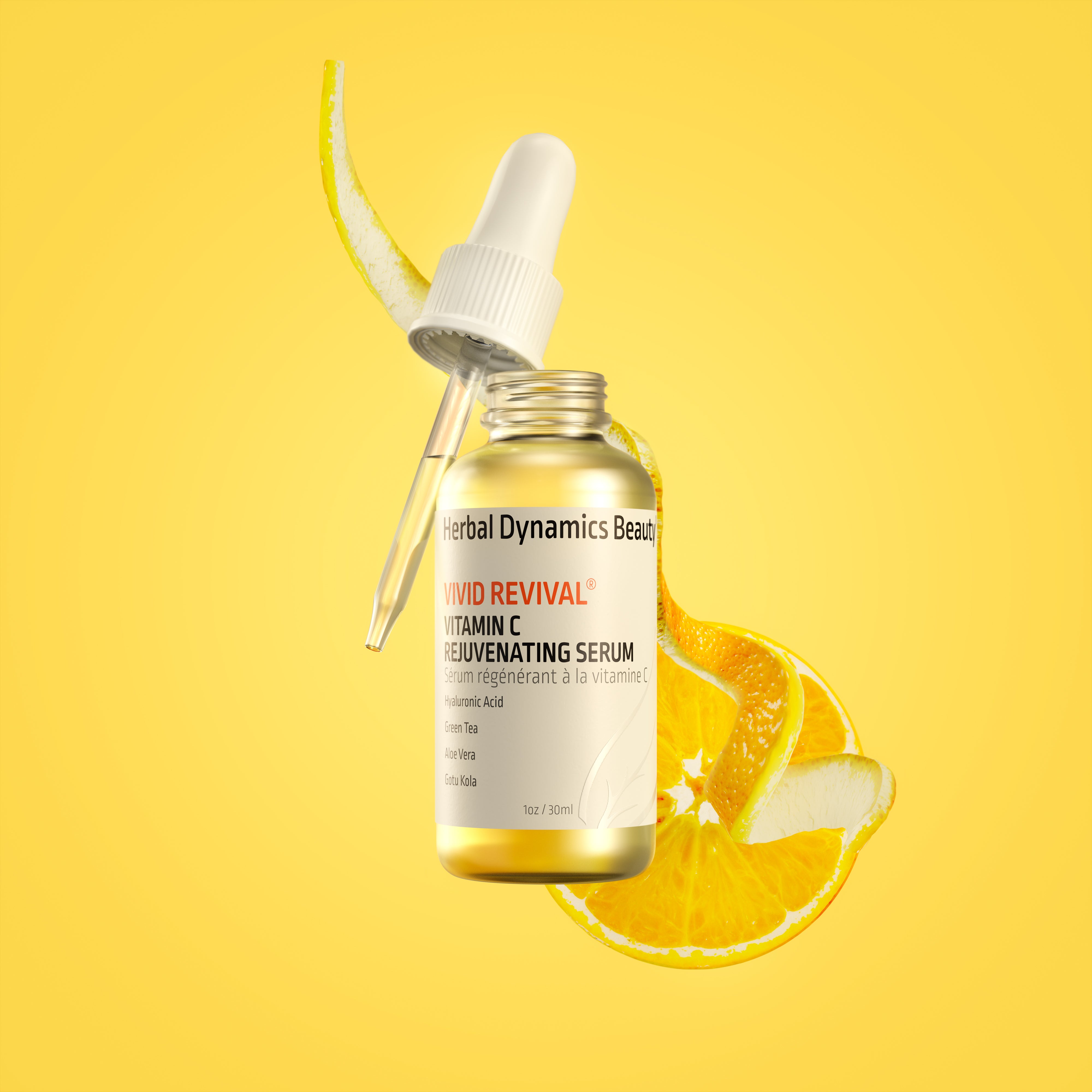
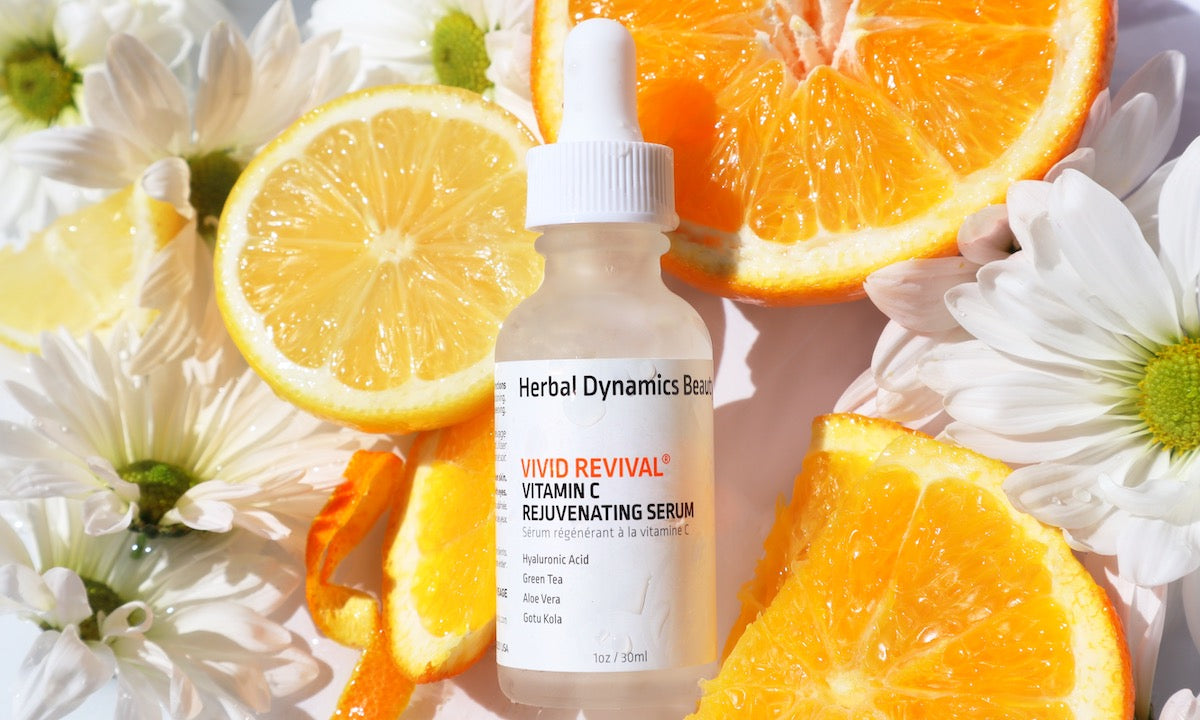
Wait until the routine is comfortable before adding another active. For a vitamin C option, Vivid Revival® Vitamin C Rejuvenating Serum uses ethyl ascorbic acid in a hydrating base.
Dermatologists may use prescription topicals, chemical peels, lasers or other procedures depending on the diagnosis and skin tone. Procedures can also cause post-inflammatory pigmentation, so provider experience with your skin tone matters. Melasma and persistent or unclear discoloration deserve individualized care.
Once the trigger stops, some surface discoloration may fade over months; deeper pigment can take longer. AAD guidance notes broad six-to-twelve-month timeframes for some superficial spots, but this is not a promise for any ingredient or individual. See how long vitamin C may take.
This guide discusses cosmetic and dermatologic evidence generally. A clinician should diagnose persistent or unusual pigmentation.
Exfoliation is an optional surface-care decision, and stronger peeling can add irritation-related discoloration. Compare AHA, BHA and PHA and read AHA safety before pairing an acid with pigment-focused care.