Your Cart is Empty



Chamomile is used in cosmetic formulas intended to leave skin feeling comfortable, but its presence does not prove a toner treats inflammation, eczema or acne. The species, preparation and full formula matter, and chamomile can cause allergic reactions.
German chamomile may appear as Chamomilla recutita or Matricaria recutita. Roman chamomile is commonly labeled Anthemis nobilis. A flower extract and a flower oil are also different materials. Do not treat all these ingredients as chemically identical.
The NCCIH chamomile fact sheet focuses on German chamomile. Its findings should not be represented as a clinical test of every Roman-chamomile toner.
Research on chamomile includes laboratory studies and preparations used in different medical contexts. NCCIH reports insufficient reliable evidence to establish clinical usefulness for many promoted conditions and notes that combination preparations make the ingredient's individual contribution difficult to identify.
For a cosmetic, the useful question is whether the finished product is comfortable and appropriate for your skin. A paper about an oral extract, mouthwash or combination cream does not prove that a facial mist relieves anxiety, heals wounds or cures dermatitis.
Herbal Dynamics Beauty CollagenR8® Restorative CoQ10 Facial Toner lists Anthemis nobilis flower extract alongside aloe, hyaluronic acid, papaya, cucumber, other botanical ingredients and ubiquinone. This is a cosmetic formula to evaluate as a whole. A conditioning feel cannot be assigned solely to chamomile from the ingredient list.
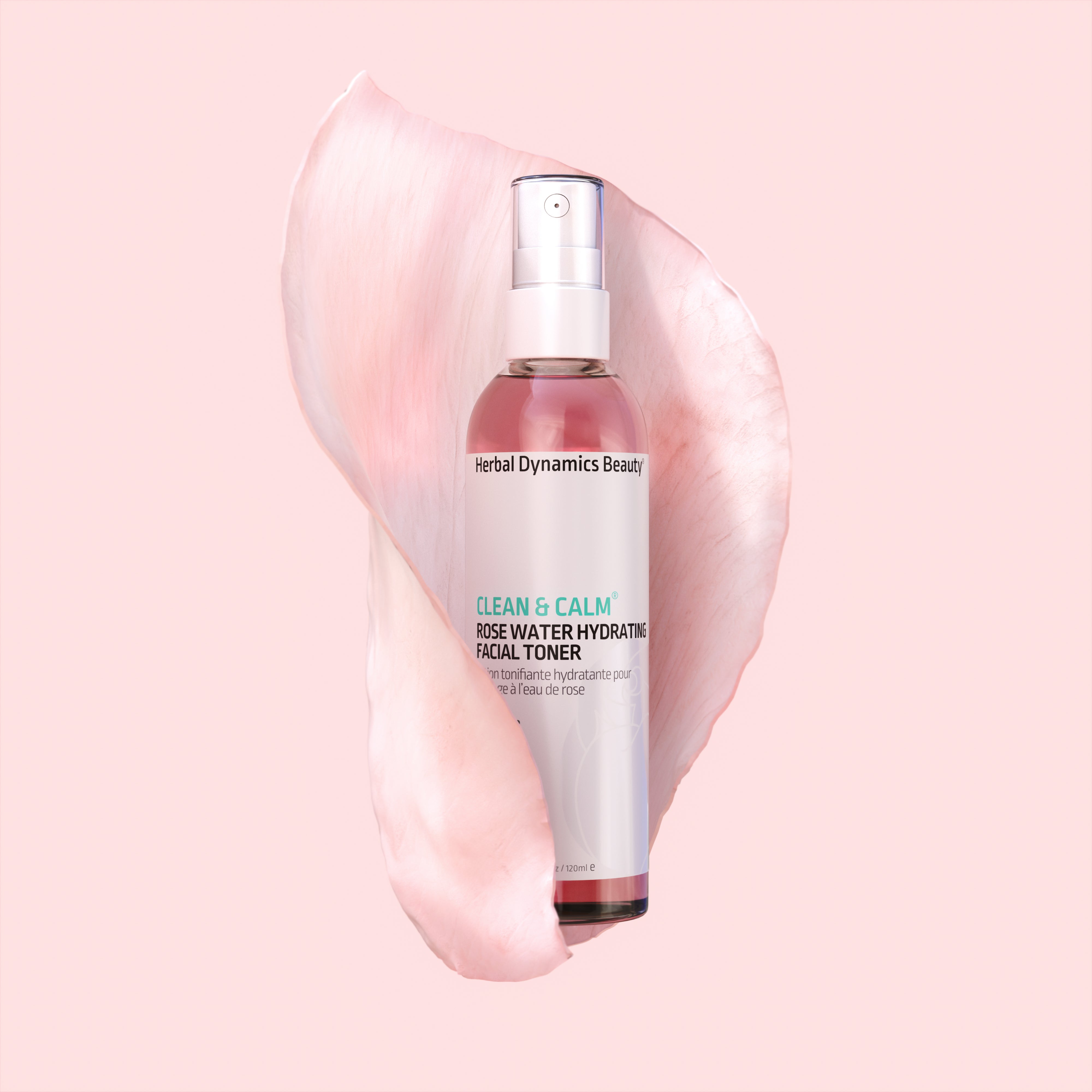
The currently unavailable Clean & Calm® Rose Water Hydrating Facial Toner lists Chamomilla recutita flower extract and flower oil, as well as alcohol and other ingredients. These two toners are not interchangeable “chamomile treatments.”
NCCIH notes a greater likelihood of reactions in people allergic to related plants such as ragweed, chrysanthemums, marigolds or daisies. A botanical known for soothing language can still be a poor fit for someone with a relevant allergy. Avoid applying chamomile near the eyes as a home remedy.
Introduce a new product cautiously on intact skin and stop if it causes a reaction. A small-area home test does not rule out allergy. Seek medical help for severe symptoms or persistent irritation.
Use the sensitive-skin toner guide if tolerance is your priority, the CoQ10 toner formula guide for that finished product, and the facial-toner overview to decide whether the extra step is useful.
The sensitive-skin guide starts with the routine you tolerate. Review fragrance and plant preparations when comparing formulas, and use the serum guide if hydration is the actual goal.
Chamomile also appears in some masks. Mask selection for sensitive skin still depends on the full formula, while the cacao-mask ingredient guide distinguishes individual botanicals from finished-product evidence.
Updated September 20, 2026. General skincare education.