Your Cart is Empty


Licorice can appear alongside many skincare ingredients, but compatibility depends on the finished formulas and your routine. A shared ingredient list does not prove synergy. Choose a partner for a clear role, check overlapping actives and introduce new products individually.
A root extract, standardized glabridin material, licochalcone A-rich preparation and glycyrrhizate salt are different ingredients. The label guide explains the distinction. A pairing claim needs evidence that matches the actual materials, not just two familiar names.
| Partner | Why a formulator may include it | Routine check |
|---|---|---|
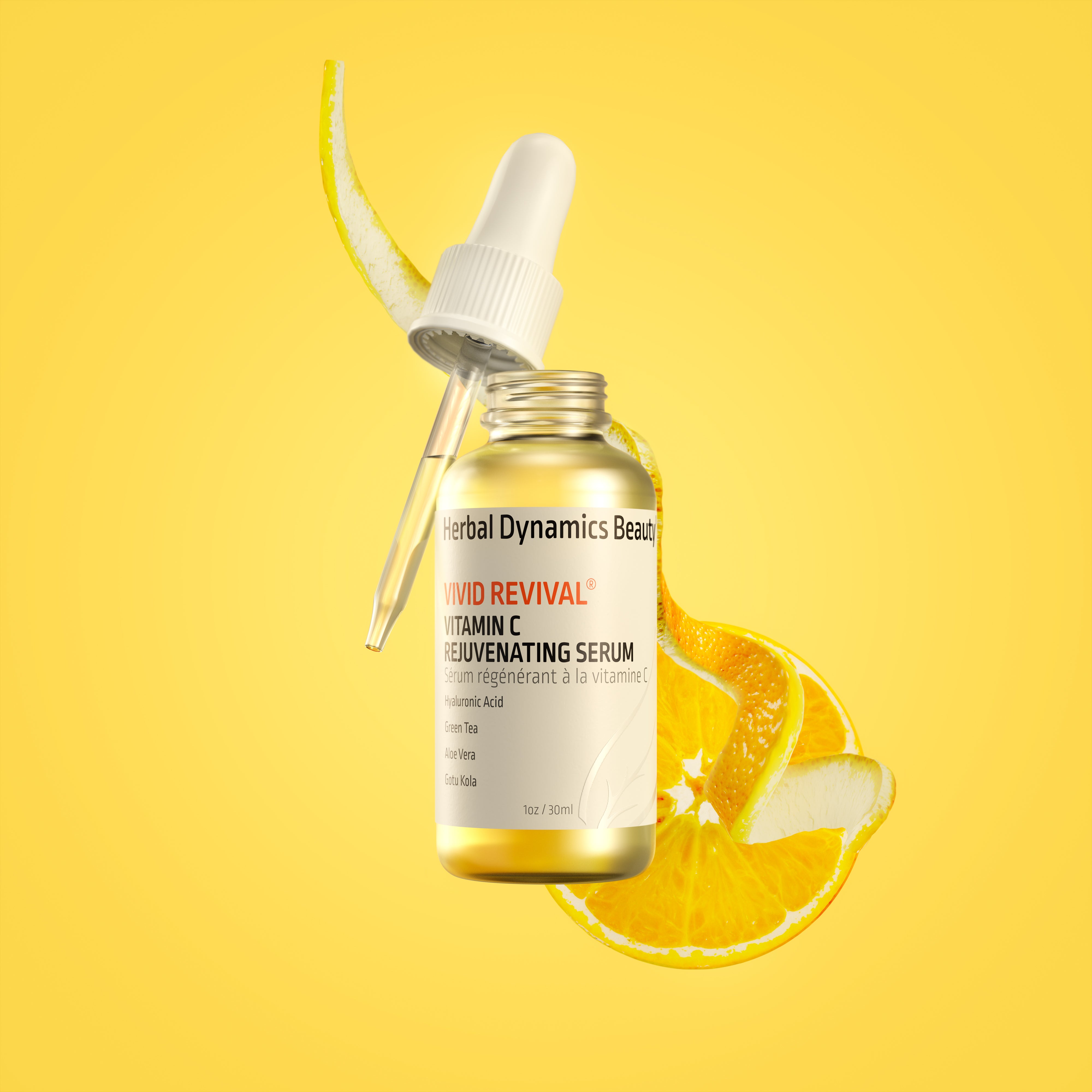
| Vitamin C | A separate antioxidant and pigment-oriented ingredient system | Verify the vitamin form and review acidity and other actives. Vitamin C compatibility. |
| Niacinamide | Vitamin B3 with distinct tone and conditioning research | Avoid assuming more layers or a higher percentage are necessary. Niacinamide guide. |
| Alpha arbutin | A named pigment-focused molecule | Check the alpha form and whether a second brightening serum duplicates a role. Arbutin partners. |
| Azelaic acid | A distinct acid with preparation-specific pigment and blemish evidence | Follow any prescribed regimen and assess tolerance. Azelaic acid guide. |
| Tranexamic acid | A separate pigment-oriented ingredient with its own mechanism and evidence | Topical cosmetic pairing does not imply advice about oral treatment. Tranexamic acid guide and partner guidance. |
| Kojic acid | A different pigment-related molecule | Check for accompanying exfoliating acids and avoid extra aggressive layers. Kojic acid partners. |
| Green tea | A botanical category with its own constituents and antioxidant research | Two botanical names do not guarantee extra soothing or freedom from allergy. Green tea guide and partner guidance. |
A single finished formula has been designed as a system, although that alone does not prove efficacy. Several separately made products introduce different bases, instructions and tolerability questions. Neither approach is universally superior; one suitable product can be simpler when it meets the goal.
Review all the accompanying ingredients. A vitamin C serum and kojic product may each contain an acid or fragrance, for example. Adding licorice does not cancel those potential triggers. For the direct tradeoffs, consult the vitamin C, alpha arbutin, kojic acid, azelaic acid and niacinamide comparisons.
Separate ingredient studies cannot establish that the pair works better in people. Even a combined cream study may not isolate each component. A licorice research paper using one companion ingredient cannot validate every other pairing. The evidence review explains these attribution limits.
If you use a prescription acne or redness regimen, follow the clinician’s plan. An optional licorice moisturizer may fit, but it does not convert cosmetic pigment care into treatment of acne, rosacea or eczema.
The routine-order guide supplies the broader sequence. Use sunscreen as its own instructed step rather than mixing brightening products into it. For dark marks, sun protection and control of ongoing irritation are central. Licorice application guidance helps place the chosen formula without inventing a special activation interval.
By Herbal Dynamics Beauty · Reviewed October 6, 2026.