Your Cart is Empty



A useful morning skincare routine prepares comfortable skin for daytime protection: cleanse as needed, follow any directed treatment, add an optional serum or moisturizer and finish skincare with sunscreen. You do not need a seven-step ritual or a different serum for every concern.
The morning’s priorities are different from the question of how many products to own. Choose only the steps that serve your skin and that you can apply consistently.
Shade and protective clothing also matter. Reapply sunscreen as directed, including at least every two hours outdoors and after relevant swimming or sweating. Serum is not sunscreen.
| Your remaining goal | Possible morning step | When to leave it out |
|---|---|---|
| Extra hydration | A comfortable humectant serum | Moisturizer or sunscreen already keeps skin comfortable |
| Antioxidant-focused care or uneven-looking tone | A suitable vitamin C formula | It irritates or conflicts with another product’s directions |
| Oil appearance | A tolerated niacinamide formula | The ingredient is already supplied adequately elsewhere |
| No specific unmet goal | No serum | A routine does not need an optional product to be complete |
Use face serums by concern for actual formula choices and the serum overview for ingredient roles.
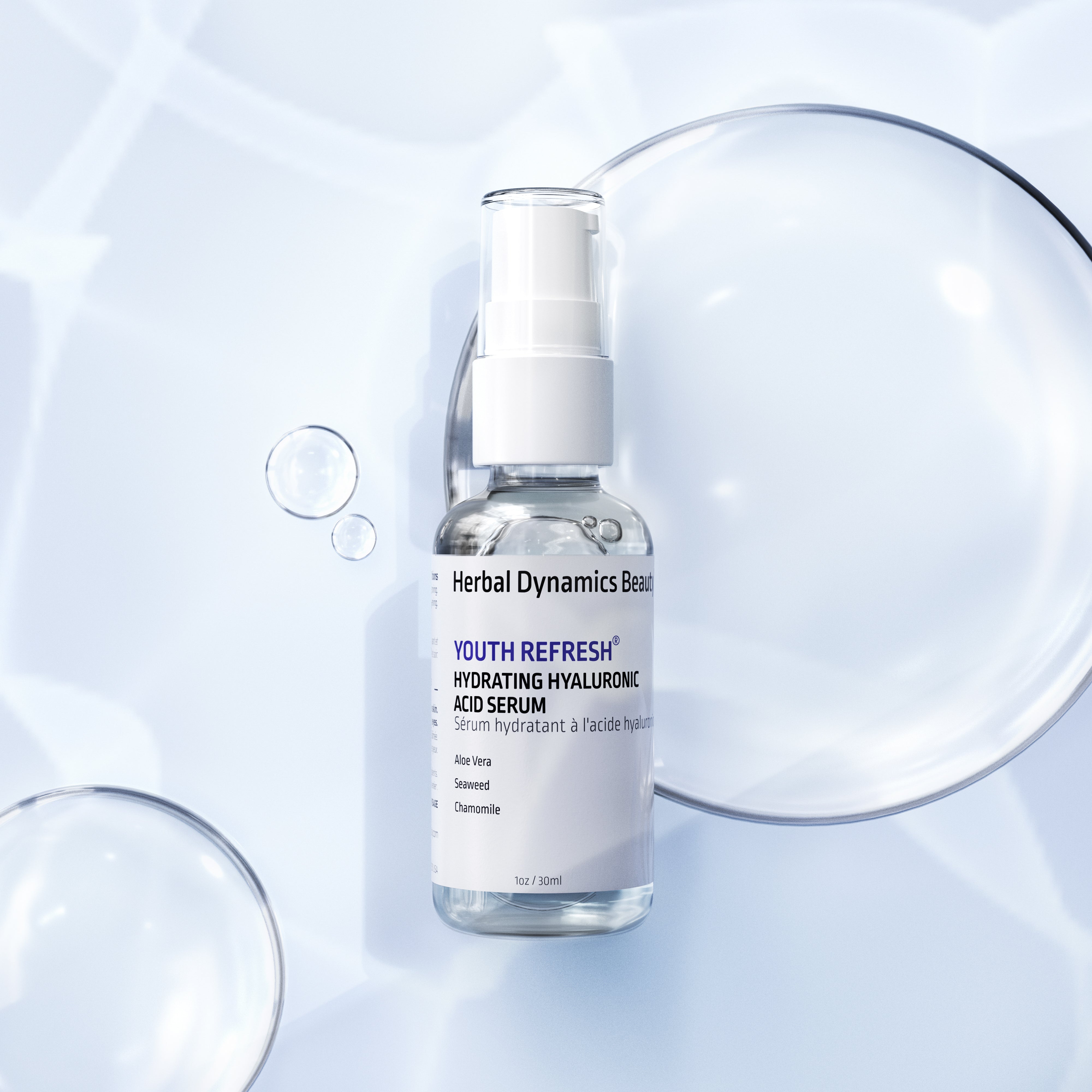
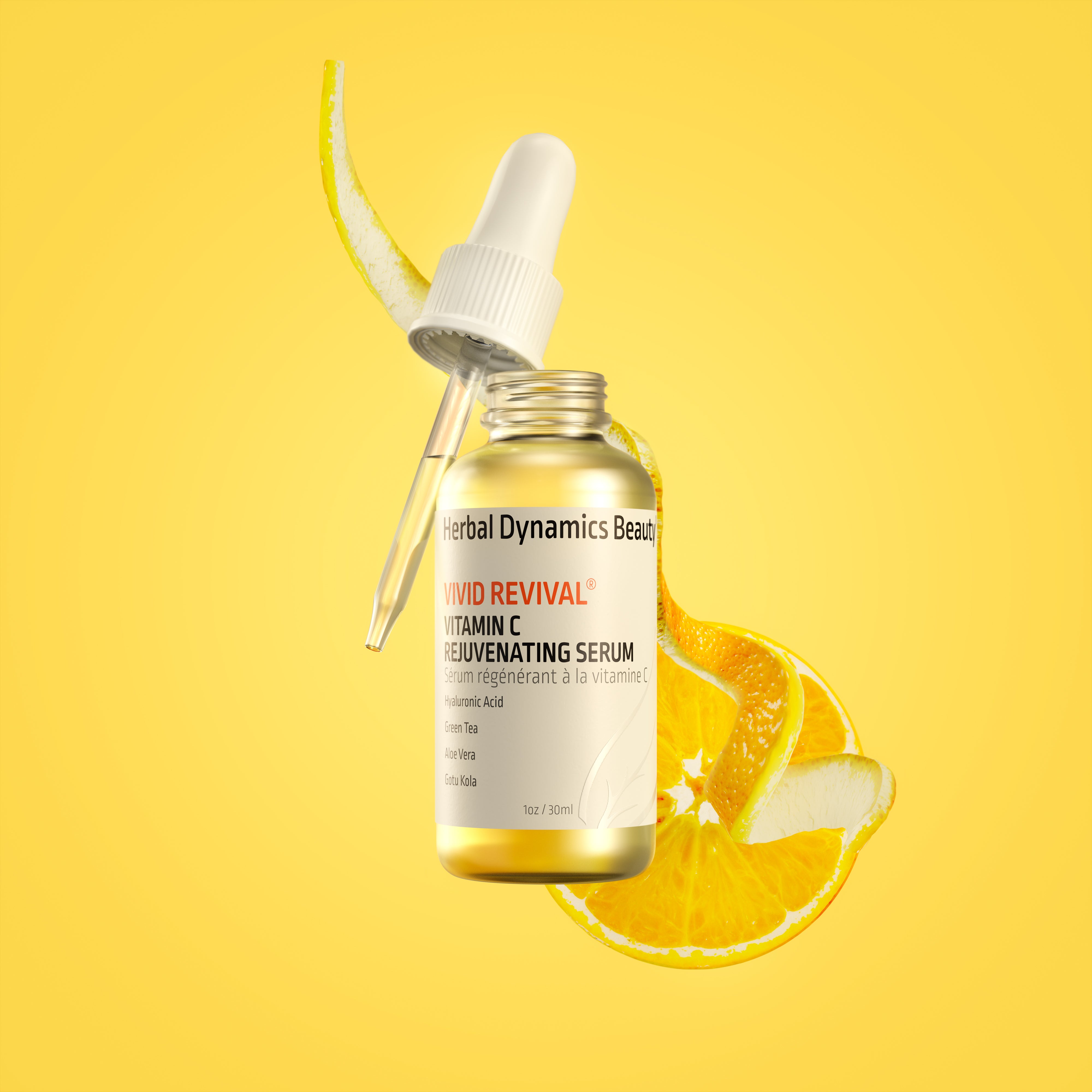
We sell Vivid Revival® Vitamin C Rejuvenating Serum and Youth Refresh® Hydrating Hyaluronic Acid Serum. The first combines ethyl ascorbic acid with humectants; the second focuses on hydration. You can choose the role you need without automatically applying both.
Their current directions place them after cleansing and toner and before moisturizer. Check your tolerance to the full botanical formulas, and keep sun protection as a separate step. For the purchase decision, see vitamin C serum versus HA serum.
It depends on the finished sunscreen and your skin. A sufficiently moisturizing sunscreen may meet both needs when used in its full directed amount. If your face feels dry, a compatible moisturizer underneath can help. Do not reduce sunscreen to avoid a heavy finish; choose a better-fitting preceding routine.
These are optional choices. They are not required to make serum absorb, and buying all of them can duplicate moisturizing functions. Avoid adding a heavy final oil over an already applied sunscreen unless the sunscreen’s directions explicitly support that use.
For the oil-versus-serum decision, use the format comparison. A separate eye product should have a specific purpose and directions suitable for the eye area.
Let each cosmetic layer settle enough to spread the next one gently. Try fewer optional layers or a smaller serum amount within its directions. The pilling guide helps troubleshoot; there is no universal mandatory waiting time for every morning serum.
A product can be useful in either session when its instructions permit. Many cosmetic retinols specify evening use; vitamin C does not universally have to be reserved for morning. Read serum timing and frequency and morning and evening layering before setting a schedule.
For a checklist that works whether you wear makeup or not, six everyday skincare rules keeps removal, comfort and protection as the practical priorities.
For packing and staying consistent away from home, travel skincare planning adapts the familiar routine rather than starting several new products for a trip.
By Herbal Dynamics Beauty • Updated September 25, 2026
For photoprotection in this routine, read sunscreen order and makeup layering. Use the facial sunscreen guide for label criteria, application and reapplication.
Green tea and CoQ10 can appear in conditioning products, but antioxidant ingredients do not establish a sunscreen rating. CollagenR8® Restorative CoQ10 Facial Toner is one optional liquid step; use it for a remaining need rather than adding it to an already comfortable routine.
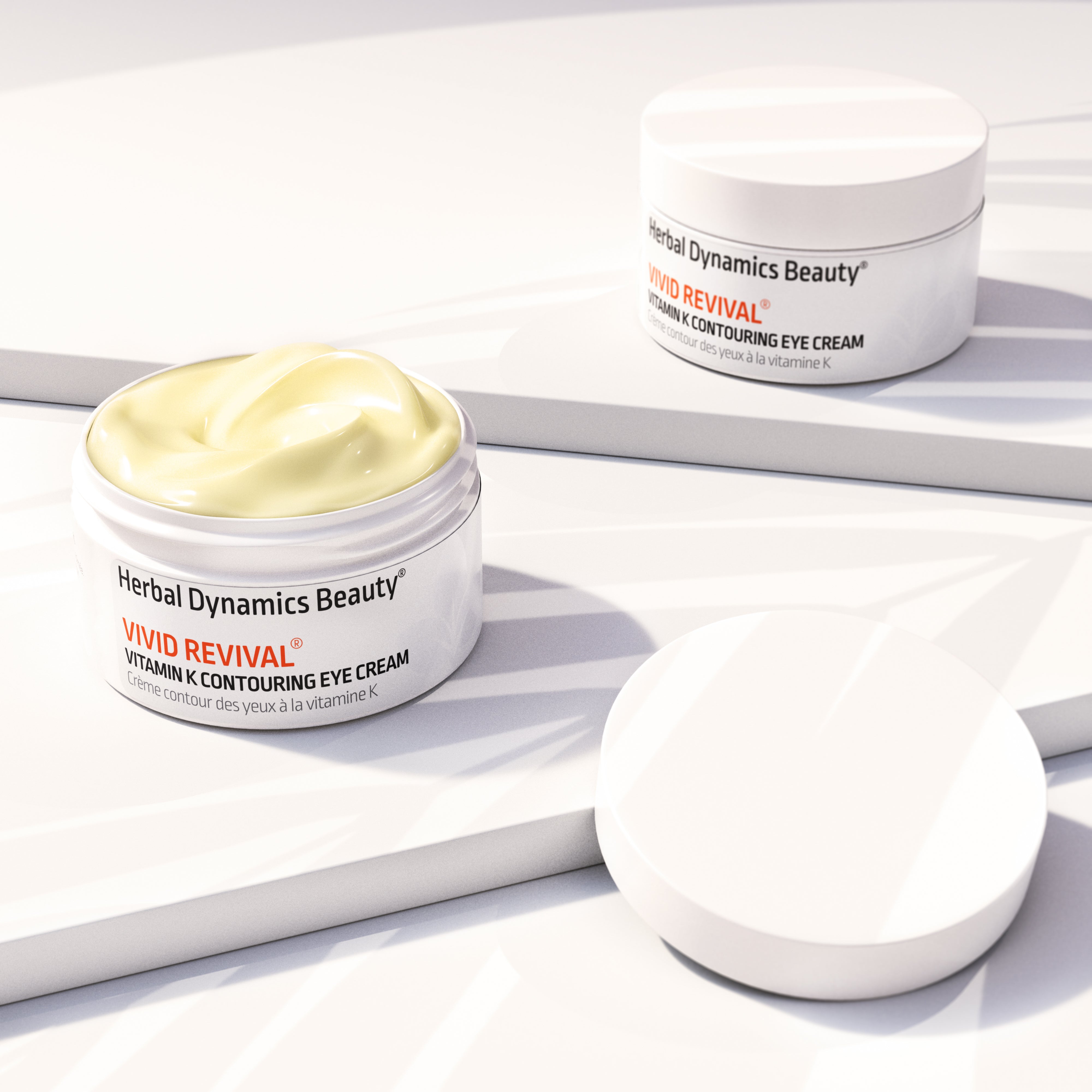
If using Vivid Revival® Vitamin K Contouring Eye Cream, follow its small-amount eye-area directions. It contains retinyl palmitate, which matters when avoiding retinoids. Eye care does not replace sunscreen. Use the evening routine for cleansing and treatment scheduling after the day ends.
See the full morning and night product order or choose a routine for your skin type and main concern.
By Herbal Dynamics Beauty · Updated October 2, 2026.