Your Cart is Empty


Short answer: A flat red, pink, brown, or gray mark after acne is usually post-inflammatory discoloration, not a true scar. These marks can fade gradually with acne control, sun protection, and carefully chosen topical ingredients. Indented or raised acne scars involve a change in skin texture and usually need a dermatologist’s assessment for meaningful improvement.
Last updated: September 2026. This article is for general skincare education and is not a diagnosis or individualized treatment plan.
| What you see or feel | Most likely category | What usually helps |
|---|---|---|
| Flat brown, gray, or dark patch | Post-inflammatory hyperpigmentation (PIH) | Preventing new breakouts, daily sun protection, and a tolerable tone-evening routine |
| Flat red or pink mark | Post-inflammatory erythema or lingering redness | Gentle barrier care, sun protection, time, and professional evaluation if persistent |
| Indented area | Atrophic scar, such as ice-pick, boxcar, or rolling scar | Dermatologist-directed procedures selected for the scar type and skin tone |
| Firm, raised area | Hypertrophic or keloid scar | Professional diagnosis and treatment; do not attempt to flatten it with DIY acids or tools |
The American Academy of Dermatology (AAD) notes that a flat spot of color after acne clears is usually not a scar. That distinction matters because skincare can gradually improve many flat marks, while a cream cannot rebuild every type of indented or raised scar.
Every new inflamed breakout can create another mark or scar. A useful plan therefore starts with acne control rather than treating marks alone. Avoid picking, squeezing, or scraping blemishes. Use a mild cleanser and introduce one acne active at a time so irritation does not create more visible discoloration.
For a broader starting point, read Herbal Dynamics Beauty’s guide to blemishes and acne lesions. Deep, painful, widespread, or scarring acne deserves prompt professional care.
Ultraviolet and visible-light exposure can make dark marks more persistent. Use a broad-spectrum, water-resistant sunscreen with SPF 30 or higher and reapply as directed. Tinted sunscreen containing iron oxides may be useful for people whose hyperpigmentation is worsened by visible light. Sunscreen does not erase a mark overnight; it helps prevent further darkening while the skin’s normal turnover continues.
Azelaic acid is included in current AAD acne guidance and may help acne as well as uneven-looking tone. Strength and regulatory status vary by product and country. Start slowly because stinging or dryness can occur.
Retinoids such as adapalene help keep pores clear and can support gradual improvement in post-acne discoloration. They can also irritate skin, especially when introduced too quickly. Follow the label, moisturize, and use sunscreen. Avoid retinoids during pregnancy or while planning pregnancy; ask a clinician about breastfeeding.
Niacinamide and well-formulated topical vitamin C may support a more even-looking tone, but concentration alone does not predict results. Stability, pH, packaging, the complete formula, and skin tolerance all matter. Learn how to use them in Herbal Dynamics Beauty’s evidence-focused guides to niacinamide and vitamin C serum.
Another ingredient-specific question is alpha arbutin for post-acne marks. Its possible pigment role should remain separate from treating active acne, persistent redness or structural scars.
For a separate ingredient with acne-related pigmentation research, see tranexamic acid for post-acne marks. The guide keeps flat pigment changes distinct from active acne, redness and structural scars.
A texture change needs a different plan from flat discoloration. Read the acne-scars comparison and arrange a dermatology assessment; do not use home needles or strong peels.
Seek professional care if acne is deep, painful, rapidly worsening, leaving texture changes, or not improving with non-prescription care. A dermatologist should also evaluate raised scars, a changing or bleeding spot, or discoloration that appeared without a clear preceding breakout.
Flat marks often improve gradually over months, but deeper pigment or ongoing inflammation can persist longer. There is no single deadline: skin tone, pigment depth, new breakouts, irritation and sun exposure all affect the course. Red or purple marks are not the same biological process as brown pigmentation.
Use consistent photographs to assess a trend. Seek dermatology advice for persistent or changing marks instead of increasing exfoliation to meet an arbitrary date. Established textural scars do not follow the same fading pattern.
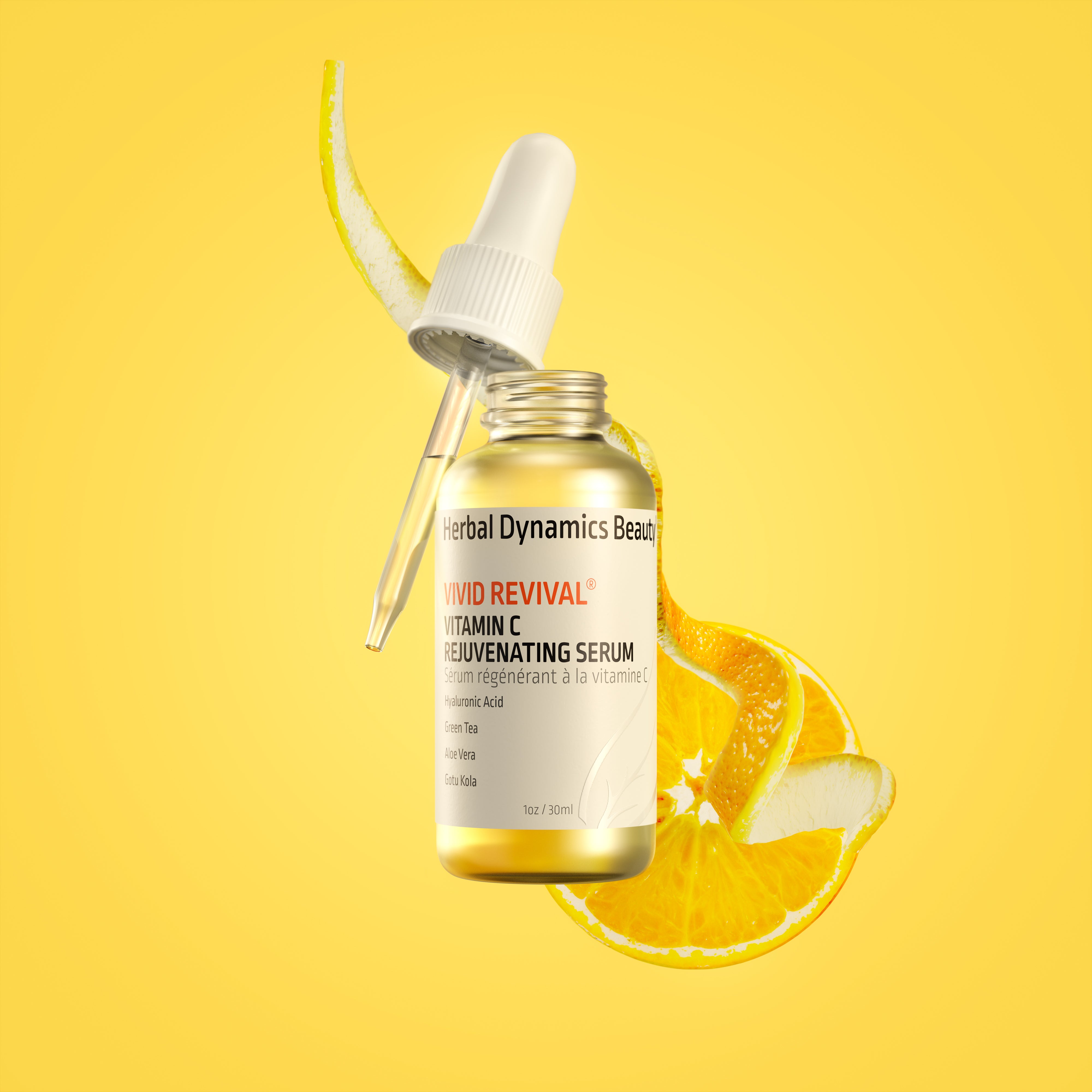
The acne-prone skin overview helps identify the active problem; the skincare buying guide coordinates support products. Irritated-barrier care matters because additional inflammation can worsen discoloration. Herbal Dynamics Beauty Vivid Revival® Vitamin C Rejuvenating Serum is an optional cosmetic tone-supporting serum if tolerated, not a treatment that fills pitted scars or guarantees a fading date.
The niacinamide dark-spot guide separates pigment research from redness and scars. Use the results guide to interpret study durations without treating them as a promised fading deadline.
By Herbal Dynamics Beauty • Updated October 4, 2026
For photoprotection in this routine, read iron-oxide tints and pigmentation. Use the facial sunscreen guide for label criteria, application and reapplication.
For ingredient-specific evidence, read azelaic acid for dark spots and post-acne marks. It keeps brown discoloration, red marks and textural scars separate. The azelaic-acid timeline guide explains how to judge progress without a guaranteed fading date.
Kojic acid and post-acne pigment addresses flat dark marks after healing, rather than ongoing breakouts or indented scars. Keep the established acne plan first, and use reaction guidance if another brightening step causes persistent discomfort.