Your Cart is Empty


Short answer: Vitamins in a cosmetic formula do not behave the same way as vitamins in food or supplements. Topical vitamin C, retinoids, niacinamide, vitamin E, and vitamin K have different evidence, stability needs, and safety considerations. A deficiency may affect health, but supplements should not be presented as a general treatment for wrinkles, acne, dark circles, or uneven tone.
Last updated: September 2026. This article provides skincare education and is not nutrition or medical advice.
Dietary vitamins support normal body functions. A cosmetic uses a specific ingredient form at a specific concentration in a finished formula. Evidence about eating a vitamin cannot be used to prove that applying it to skin will produce the same effect, and topical research cannot justify taking a supplement.
Most people should meet nutritional needs through an appropriate diet unless a qualified healthcare professional identifies a reason for supplementation. High-dose supplements can cause adverse effects or interact with medications.
| Vitamin family | Common cosmetic forms | Evidence-based role | Main limits and cautions |
|---|---|---|---|
| Vitamin C | Ascorbic acid and derivatives | Antioxidant support and gradual improvement in uneven-looking tone in suitable formulas | Stability, packaging, pH, and formula matter; stronger is not always better |
| Vitamin A | Retinol, retinal, retinyl esters; adapalene is an OTC drug in the U.S. | Retinoids can support cell turnover, photoaging care, and acne management depending on the form | Dryness and irritation are common; pregnancy guidance is important |
| Vitamin B3 | Niacinamide | Supports barrier function and can improve the appearance of uneven tone in tested formulas | Do not confuse topical niacinamide with oral niacin dosing or systemic effects |
| Vitamin E | Tocopherol and tocopheryl acetate | Primarily an antioxidant and skin-conditioning ingredient in cosmetics | It is not proven to erase scars; contact allergy is possible |
| Vitamin K | Phytonadione/phytomenadione and phytonadione epoxide | Preliminary research involves bruising and combination eye-area formulas | Evidence for dark circles is limited; ingredient forms and regulatory status differ; contact allergy is possible |
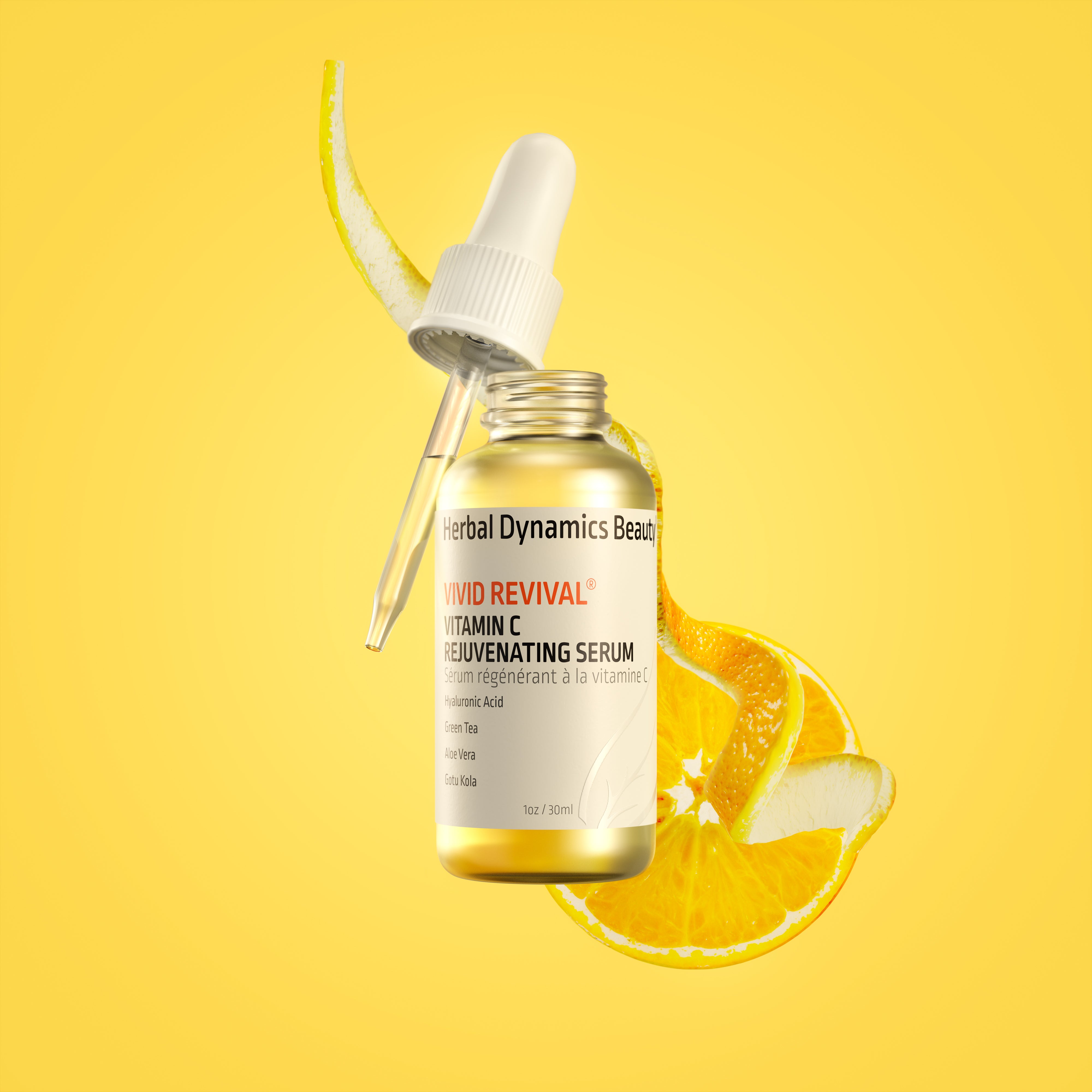
Topical vitamin C can contribute antioxidant activity and may improve the appearance of uneven tone. The complete formula matters because ascorbic acid is unstable and can irritate at low pH. Use Herbal Dynamics Beauty’s vitamin C serum guide to compare forms, packaging, compatibility, and realistic timelines.
“Vitamin A” covers several ingredients with different strength and regulatory status. Cosmetic retinol is not identical to prescription tretinoin or over-the-counter adapalene. Retinoids can cause dryness, peeling, and irritation, so introduce them slowly and protect skin from the sun. Ask a healthcare professional before use during pregnancy, while trying to conceive, or while breastfeeding.
Niacinamide is widely used for barrier support and more even-looking tone. Clinical studies concern specific topical formulas, not oral niacin supplements. Herbal Dynamics Beauty’s niacinamide guide covers compatibility and tolerability.
Vitamin E can help protect a formula’s oil phase and condition the skin. Evidence does not support promising that vitamin E will prevent or erase every scar. Stop using a product if itching, swelling, or a rash develops.
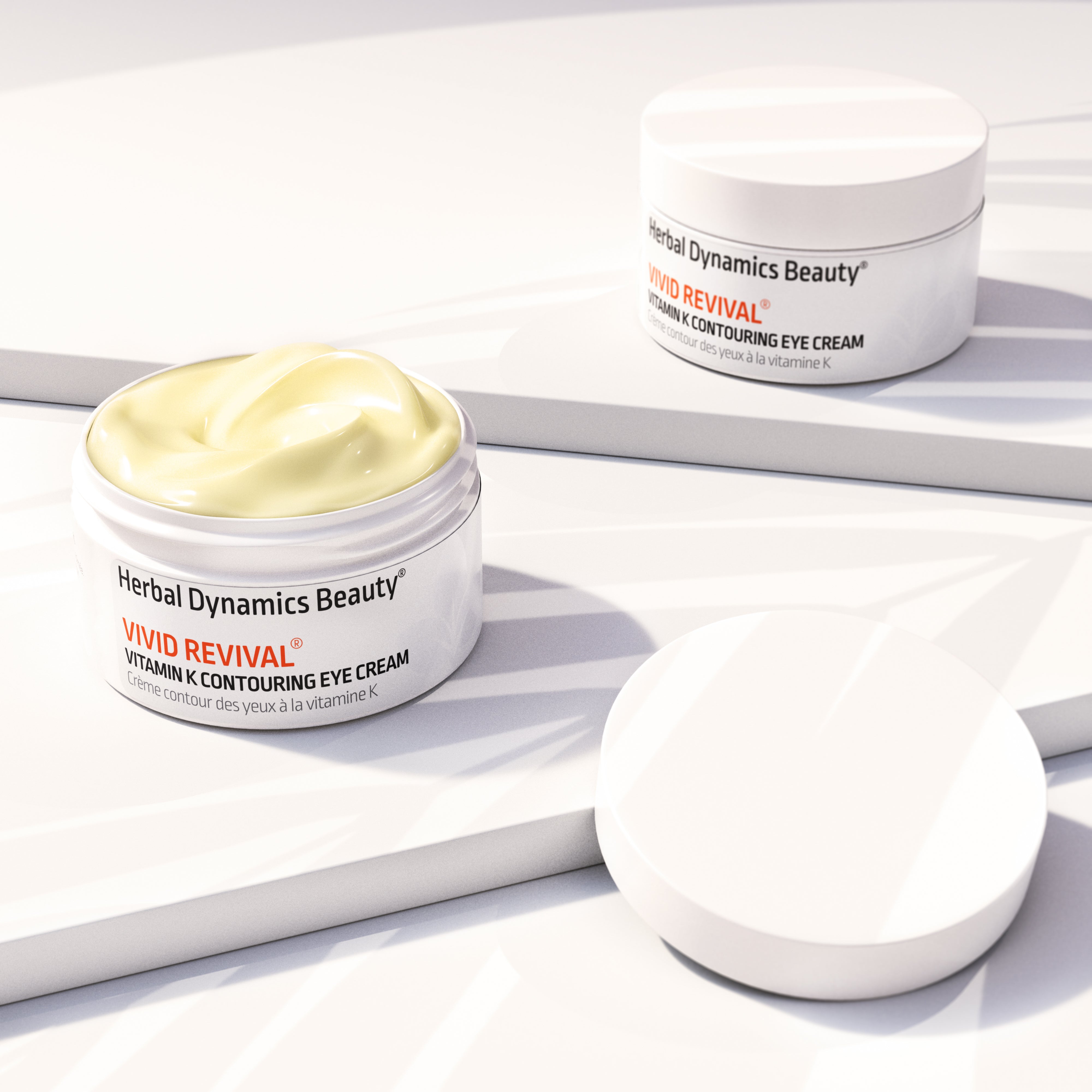
Small studies have tested topical vitamin K in bruising and in eye-area formulas that also contained caffeine, retinol, or other vitamins. These studies do not prove that vitamin K alone corrects dark circles or “strengthens capillaries.” Vitamin K1 has sensitization concerns, and the European Commission asked its Scientific Committee on Consumer Safety in June 2026 to assess phytonadione epoxide. Read Herbal Dynamics Beauty’s central vitamin K evidence guide before choosing an eye product.
It is rarely necessary. Choose products for a defined concern and introduce them separately. Layering several active formulas can make irritation more likely and makes it harder to identify the cause of a reaction.
A supplement can correct an identified deficiency, but that is different from treating a cosmetic concern in someone whose intake is adequate. Discuss supplements with a healthcare professional, especially if you take medication, are pregnant, or have a medical condition.
Follow the finished product’s directions. Antioxidant formulas are often used in the morning under sunscreen, while irritating retinoids are commonly introduced at night. Tolerance and the complete formula matter more than a universal schedule.