Your Cart is Empty


Quick answer: Vitamin C can work for sensitive, dry, oily and acne-prone skin, but the best form, vehicle and frequency differ. Skin type labels are only a starting point; current barrier condition and the complete formula matter more than the ingredient alone.
Start with a patch test, a few applications per week and a formula without unnecessary irritants. Acidic L-ascorbic acid can sting; a derivative may be easier to introduce, although no derivative is allergy-proof. Stop for persistent burning, itching, rash or swelling.
Look for humectants such as glycerin or hyaluronic acid and follow with a moisturizer containing emollient or barrier-supporting ingredients. Vitamin C does not replace moisturizer. If skin is flaky or cracked, stabilize the barrier before adding an active.
A lightweight water-based serum may feel more comfortable, but “oil-free” does not guarantee that a product will never clog pores. Introduce one formula at a time and judge it over a reasonable period while keeping the rest of the routine stable.
Vitamin C is not a primary acne treatment. Its antioxidant and tone-support roles may be useful for post-acne marks, but active acne should be managed with evidence-based acne care. See acne scars versus dark spots before choosing a product for leftover marks.
Preventing irritation is especially important because inflammation can lead to post-inflammatory hyperpigmentation. Start slowly, use sunscreen and avoid combining several new strong actives. Our hyperpigmentation guide for different skin tones covers this in depth.
| Priority | Look for | Avoid at first |
|---|---|---|
| High sensitivity | Derivative, hydrating base, simple routine | High-strength acidic serum plus exfoliant |
| Dryness | Humectants and follow-up moisturizer | Skipping barrier care |
| Oiliness | Light texture and non-greasy finish | Changing multiple acne products at once |
| Post-acne marks | Gentle pigment support and sunscreen | Picking or aggressive scrubbing |
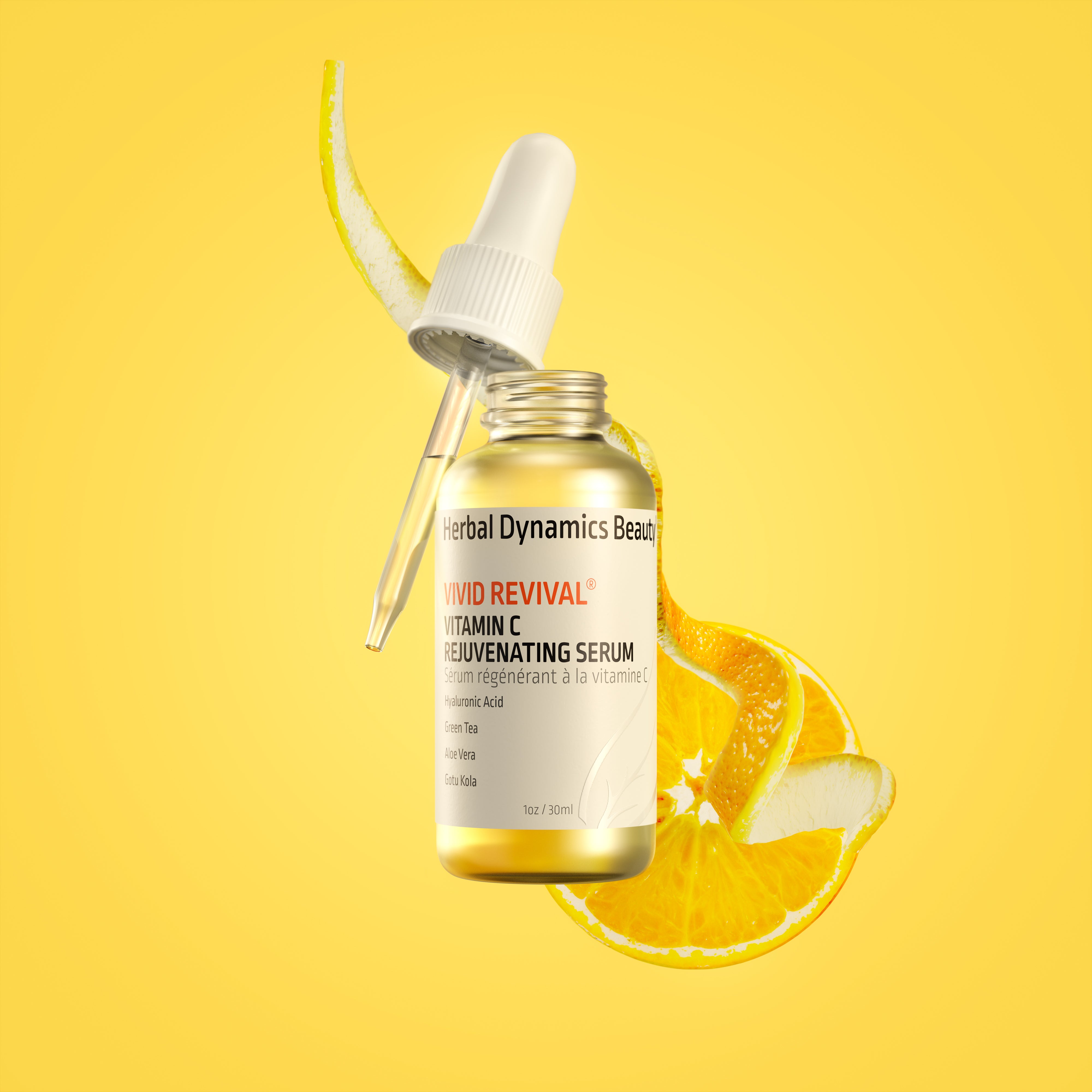
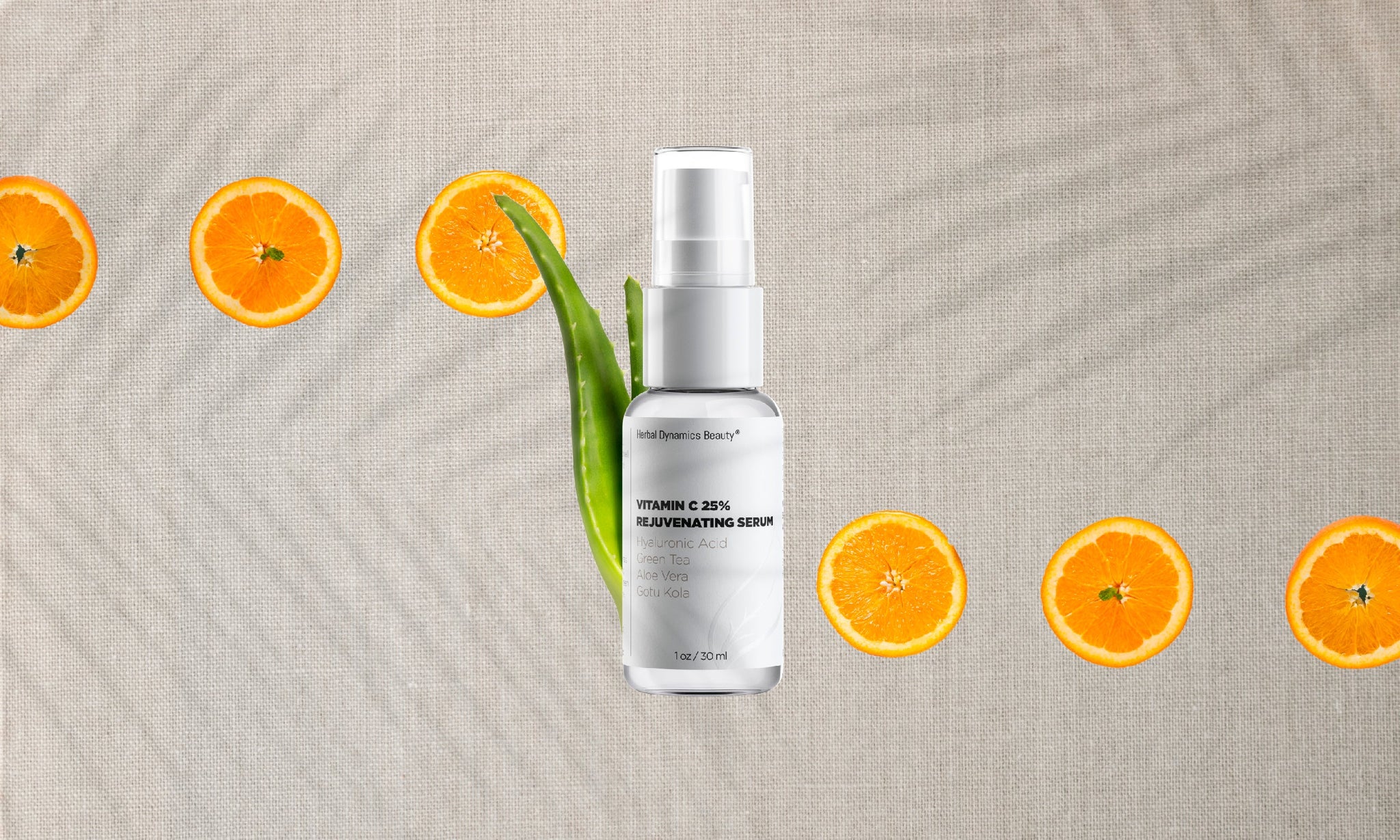
Vivid Revival® Vitamin C Rejuvenating Serum combines ethyl ascorbic acid with hyaluronic acid, aloe and glycerin. It may suit users seeking a hydrating derivative formula. Patch test and add it gradually, especially if retinoids, exfoliating acids or benzoyl peroxide are already in the routine.
The sensitive-skin guide helps decide whether to add an active at all. If hydration is your only current need, compare a hydrating serum with an active serum before buying. Use product testing and the existing irritation guidance rather than increasing applications through persistent discomfort.
Use retinol and vitamin C combination guidance to review directions and irritation. For uneven pigment, retinol for dark spots addresses retinol-specific evidence while the vitamin C and pigmentation guides retain their separate roles.
Once you understand the ingredient, the vitamin C serum selection guide compares active form, stability, tolerance and the full formula. Dietary adequacy and a topical purchase remain different decisions.