Your Cart is Empty


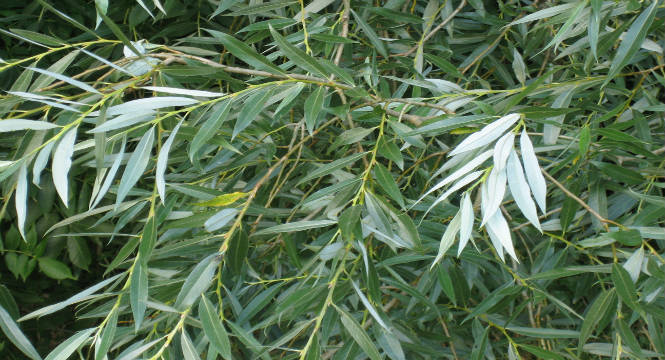
Salicylic acid can help treat acne, particularly clogged pores, by helping shed retained surface and follicular cells. It is commonly called a beta hydroxy acid, or BHA, in skincare. It is not a scar-filling treatment, pain-relief facial ingredient or a guarantee of clear skin.
Salicylic acid is lipid-soluble and helps reduce the buildup of cells associated with comedones. That makes it relevant to blackheads and whiteheads. Its role should not be simplified to sterilizing pores, increasing circulation or “detoxifying” skin.
Salicylic acid is chemically related to aspirin, but aspirin is acetylsalicylic acid. Crushing aspirin into a facial mask does not reproduce a tested salicylic-acid skincare formula and is not recommended.
The 2024 AAD guideline gives salicylic acid a conditional recommendation. Benzoyl peroxide and topical retinoids receive strong recommendations. Conditional does not mean ineffective; it means the evidence and tradeoffs support a more individualized choice.
It may be a useful option for mild congestion, but deep, painful or scarring acne should not be managed by repeatedly increasing the acid strength. Compare salicylic acid with benzoyl peroxide if inflamed lesions are the main concern.
| Product type | What to check | Why it matters |
|---|---|---|
| U.S. OTC acne medicine | Drug Facts panel, active ingredient, warnings and age directions | The labeled purpose and use are defined for that product |
| Cosmetic cleanser, serum or mask | Ingredient list, use directions and actual claims | An ingredient listing alone does not establish acne-drug status or a therapeutic dose |
| Professional or high-strength peel | Clinical suitability and trained supervision | Do not adapt peel instructions for routine home use |
A rinse-off wash and a leave-on product have different contact times and formulation properties. Higher concentration does not automatically mean better tolerability or better results. Do not use wart or corn removers on facial acne.
Do not apply to broken or very irritated skin or improvise use over large areas. People with a history of salicylate reactions, pregnancy-related questions or a complex treatment regimen should ask a clinician or pharmacist before choosing a product.
Hyaluronic acid and ceramide moisturizers can support hydration alongside acne care. Niacinamide may be compatible in a tolerated formula. These ingredients do not make an overly aggressive acid routine automatically safe.
Combining salicylic acid with benzoyl peroxide, retinoids or AHAs can increase dryness. Some formulated regimens deliberately combine actives, but copying them by layering unrelated products is not equivalent. Follow a clinician's plan or introduce one change at a time.
It does not fill established indented scars. By helping manage acne it may reduce the opportunity for new marks, but irritation can worsen discoloration. Use the post-acne marks guide for pigment care and the scar comparison for changes in skin texture.
If acne is deep, painful, worsening or not responding to a consistent labeled treatment, see a dermatologist. A burning face is not evidence that an acid is working, and more exfoliation is not the answer to every breakout.
If you are comparing options, see sulfur in acne medicines versus cosmetic masks. Ingredient presence alone does not establish the role or effectiveness of the finished product.
Use the oily-skin and clogged-pore buying guide to compare product formats, and AHA vs. BHA vs. PHA for other ingredient families. The facial-exfoliation guide explains application; the combination guide helps avoid adding unnecessary actives.
The ingredient comparison separates exfoliating acne care from niacinamide’s cosmetic roles. For compatible routines, use the existing acid-pairing guide; for niacinamide background, read the ingredient overview.
Azelaic acid versus salicylic acid helps compare ingredient roles. Using both in one routine addresses contact time, cumulative irritation and directions that may rule out extra exfoliation.
The urea–salicylic comparison explains hydration and localized keratolysis as different product purposes. A moisturizing urea face cream does not inherit salicylic acne claims, and a high-strength foot product should not be used to treat facial bumps. Facial urea guidance covers pore and formula questions.
By Herbal Dynamics Beauty • Updated October 4, 2026