Your Cart is Empty



The usual skincare routine order is cleanser → optional toner → treatment or serum → optional eye care → moisturizer → optional facial oil → sunscreen in the morning. At night, omit sunscreen and follow your treatment's evening directions. You do not need every step: cleansing, moisturizing and daytime sun protection are the foundation.
This is a practical starting sequence, not a rule for every formula. A prescription, a medicated cleanser, an oil-based serum or a retinoid used with moisturizer may require a different plan. The actual product instructions take priority over texture alone.
| Stage | Morning | Evening |
|---|---|---|
| 1. Cleanse | Wash gently as needed for residue and comfort. | Remove sunscreen and makeup, then cleanse as needed. |
| 2. Optional toner | A compatible watery hydrating toner usually follows cleansing. | Use only if useful; an acid toner counts as an active. |
| 3. Treatment or serum | Follow medication directions; choose an optional antioxidant or hydrator for an unmet goal. | Use the scheduled treatment as directed; hydration can be optional. |
| 4. Optional eye care | Apply only to the area permitted by the formula. | Use a suitable eye product if it adds something useful. |
| 5. Moisturizer | Adjust texture to skin comfort and the sunscreen that follows. | Use a comfortable lotion or cream; a separate night cream is optional. |
| 6. Optional oil | Usually unnecessary; any compatible oil goes before sunscreen. | An oil may follow moisturizer where its instructions allow. |
| 7. Sun protection | Finish skincare with broad-spectrum SPF 30 or higher; use as directed. | No sunscreen is needed for an ordinary nighttime routine. |
Shade and protective clothing complement sunscreen. Follow its application and reapplication label, including reapplication at least every two hours outdoors and after swimming or sweating as directed. Do not dilute sunscreen with another product.
A short routine is complete when it meets your needs. A moisturizer can already supply glycerin, emollients and other supporting ingredients. A moisturizing sunscreen may cover your morning moisture needs if applied in its full directed amount. Neither situation creates a reason to buy another serum.
Start with the beginner's three-step routine if the table looks longer than your current routine. For product decisions, use How to Build the Best Skincare Routine for Your Skin.
Cleansing addresses what needs removing from the surface. A second cleansing step may help with persistent makeup or sunscreen; it is not compulsory morning and night. Do not keep washing until the face feels tight. Face-washing technique and routine order explains removal, washing and what follows.
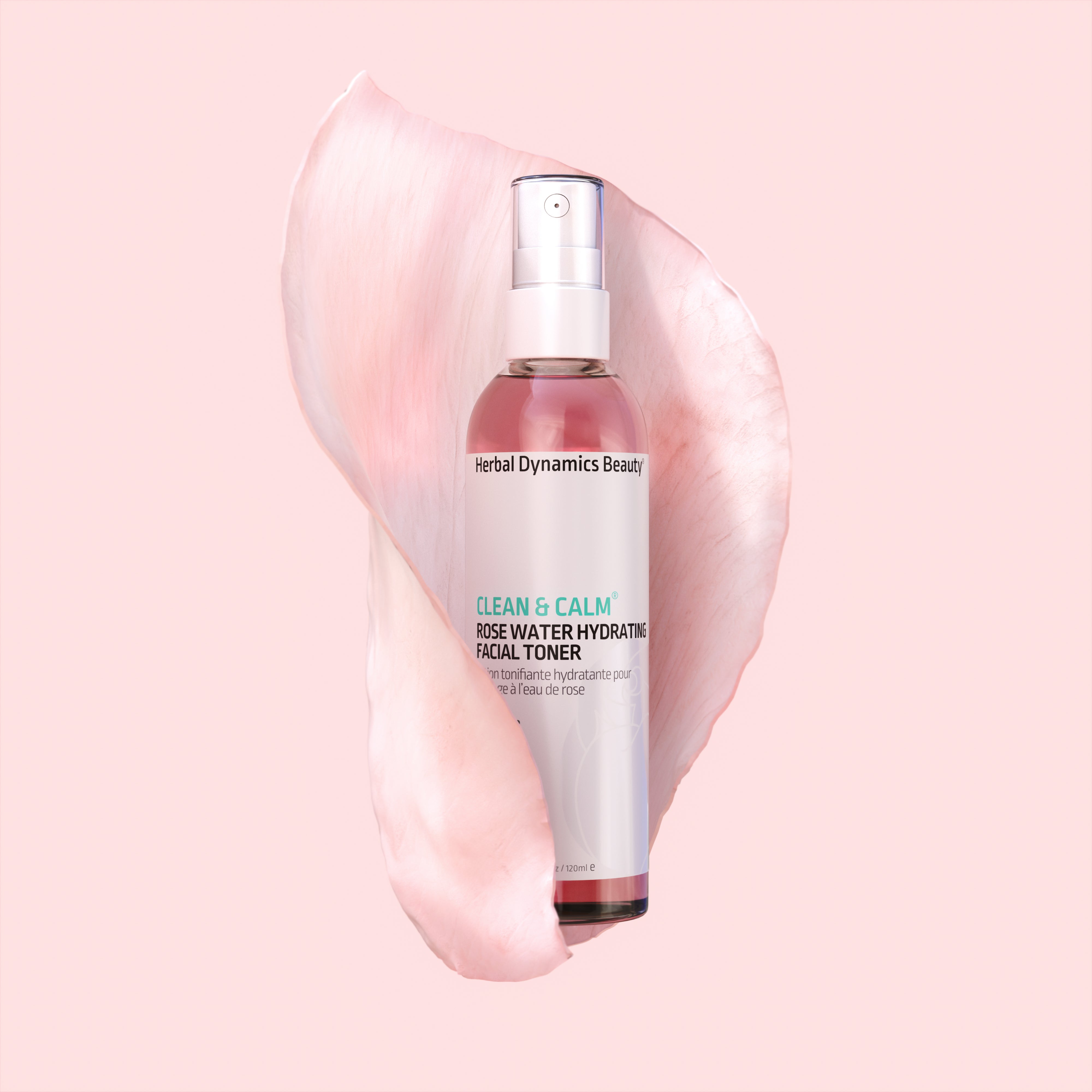
A watery toner usually follows cleansing and precedes serum or moisturizer. It is not required to activate later products. An exfoliating toner belongs in your active-treatment plan, not automatically in every session. Use toner order and frequency for hands, pads and mist instructions.
“Thinnest to thickest” can organize ordinary cosmetics, but it does not prove deeper penetration or override a medicine's instructions. Some treatments require dry skin. Some regimens place moisturizer before a retinoid for tolerance; ask the prescriber when instructions are unclear.
For two serums, use the existing serum-layering guide. It owns water-based versus oil-based serum order, waiting times and serum combinations. For vitamin C and hyaluronic acid, check the ingredient-pairing guide rather than assuming that the ingredient names alone fix the order. Retinol placement is covered in starting and applying retinol.
A lighter eye product often precedes a heavier moisturizer, but a separate eye cream is optional. Follow its permitted application area; facial actives do not automatically belong on eyelids. Read eye cream before or after moisturizer for the practical details.
Apply a suitable moisturizer for comfort. A plain oil mostly adds emollient support and does not duplicate every function of a cream. If oil adds useful softness, follow its directions; a small evening layer after moisturizer is one option. Face oil versus moisturizer covers whether you need both.
Apply sunscreen evenly after compatible earlier layers settle, then makeup as appropriate. Do not put oil over sunscreen to create shine or reduce the sunscreen amount because the routine feels heavy. Simplify optional steps instead. Use sunscreen, moisturizer and makeup order for formula-specific questions.
A product's place in the lineup does not tell you how often to use it. Retinoids and exfoliating acids may need gradual introduction or separate sessions; daily use of every active is not a goal. Building a tolerable ingredient schedule explains how to assess overlapping treatments without blanket incompatibility claims.
Do not add strong actives to skin that is persistently burning or peeling. Discuss prescription changes with your clinician. Avoid retinoids in pregnancy or when trying to conceive; obtain individual advice for breastfeeding.
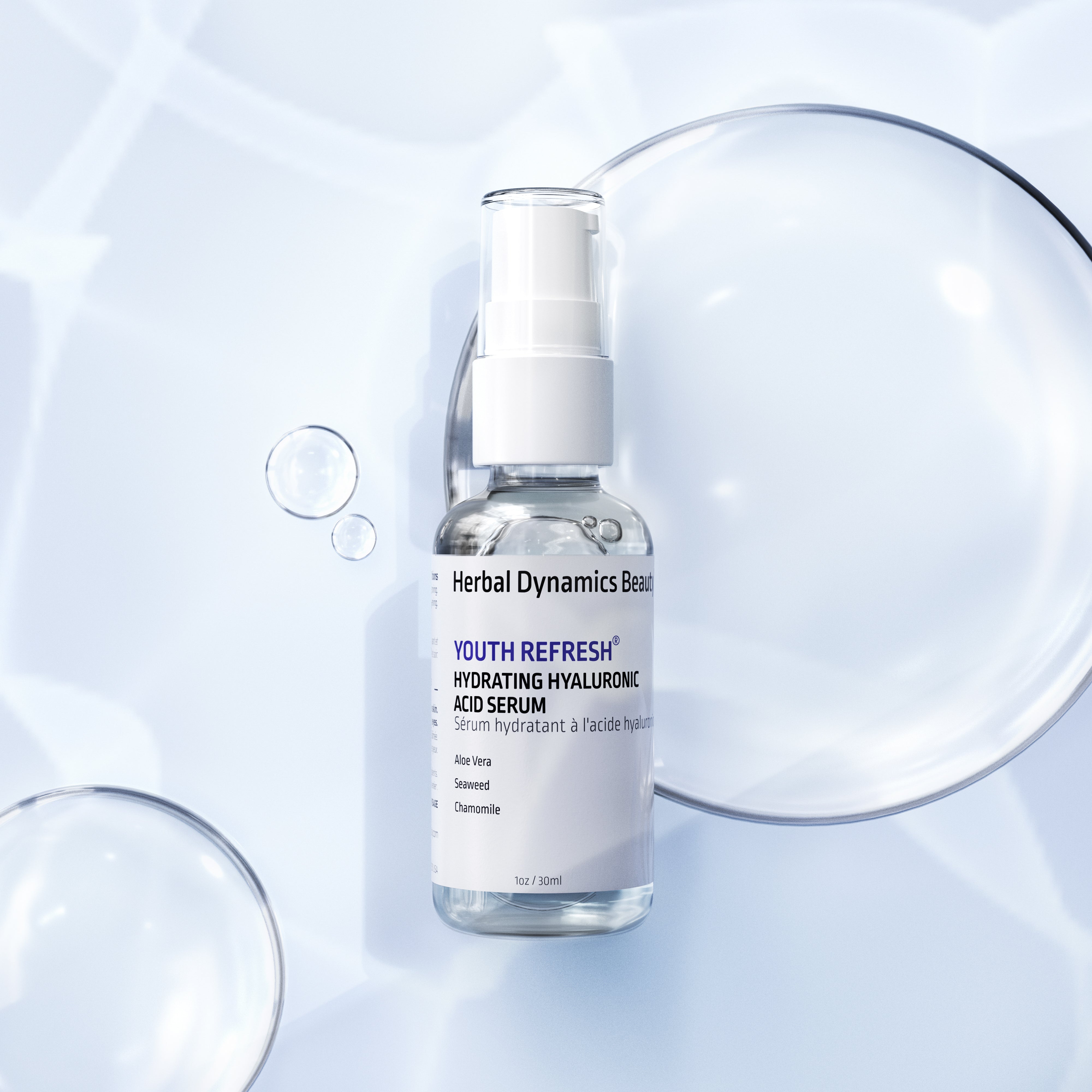
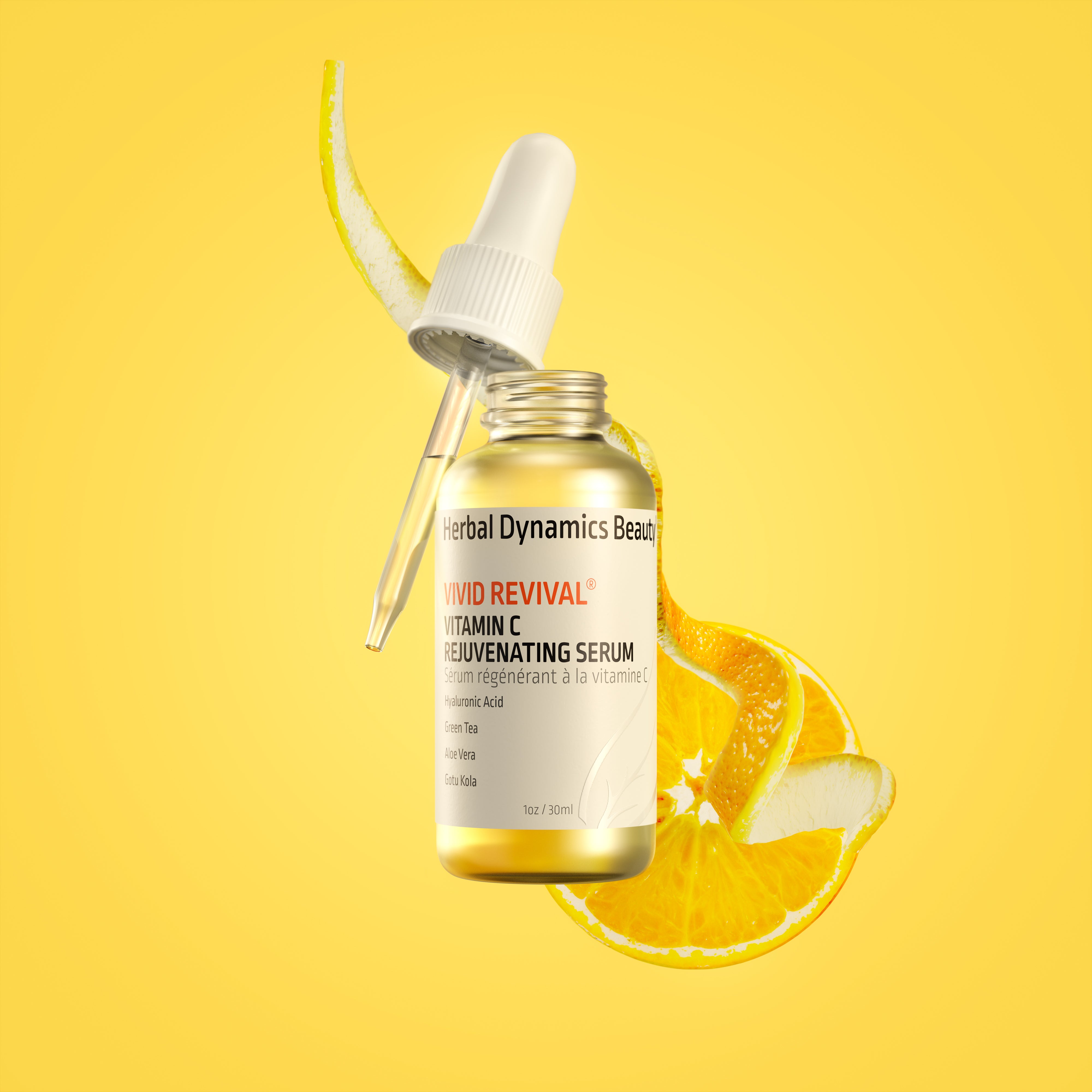
Vivid Revival® Vitamin C Rejuvenating Serum can serve an optional antioxidant-focused step; Youth Refresh® Hydrating Hyaluronic Acid Serum serves extra hydration. Choose the missing function, not both automatically. Their botanical formulas require individual tolerance and neither replaces sunscreen. Serum selection remains covered in the face-serum guide.
| Starting point | Routine guide |
|---|---|
| Time of day | Morning routine · Night routine |
| Starting from scratch | Beginner and simple routine |
| Skin type | Dry · Oily · Combination · Sensitive · Mature |
| Main concern | Acne-prone · Dark spots and hyperpigmentation · Dehydration · Barrier discomfort · Dullness · Fine lines |
By Herbal Dynamics Beauty · Updated October 2, 2026.