Your Cart is Empty


A routine for dehydrated-feeling skin should combine comfortable cleansing, water-binding ingredients and a suitable moisturizer, with sunscreen in the morning. A hydrating serum is optional. Adding more watery layers without reviewing cleansing or moisturizing support can leave the original problem unchanged.
Dehydration is commonly used to describe skin lacking comfortable water content; it is not the same as a consistently dry skin type. Oily skin can feel tight too. Use dry skin versus dehydrated skin for the distinction, and seek advice when tightness accompanies a persistent rash or pain.
| Role | Morning | Evening |
|---|---|---|
| Cleansing | Wash gently as needed; avoid a stripped finish. | Remove sunscreen and makeup with minimal friction. |
| Optional hydration | Use one suitable humectant product if moisturizer alone is insufficient. | Use the same tolerated hydrator if useful; a second formula is unnecessary. |
| Moisturizer | Choose enough support to remain comfortable beneath sunscreen. | Adjust texture or amount to dry areas and overnight comfort. |
| Protection | Apply broad-spectrum SPF 30 or higher as directed. | Review optional actives if the routine feels increasingly tight. |
Review hot water, repeated cleansing, friction and overlapping acids before shopping for another serum. A cleanser that leaves you uncomfortable can undermine an otherwise sensible routine. Follow treatment instructions, and contact the prescriber when medication-related dryness needs adjustment.
If burning or peeling is the main issue, the barrier-repair routine is a better immediate starting point than a hydration experiment. This routine is for arranging comfortable cosmetic care, not diagnosing a damaged barrier.
Glycerin and hyaluronic acid are humectants. They can appear together in one serum or moisturizer. That does not mean a separate product for each ingredient will improve the result.
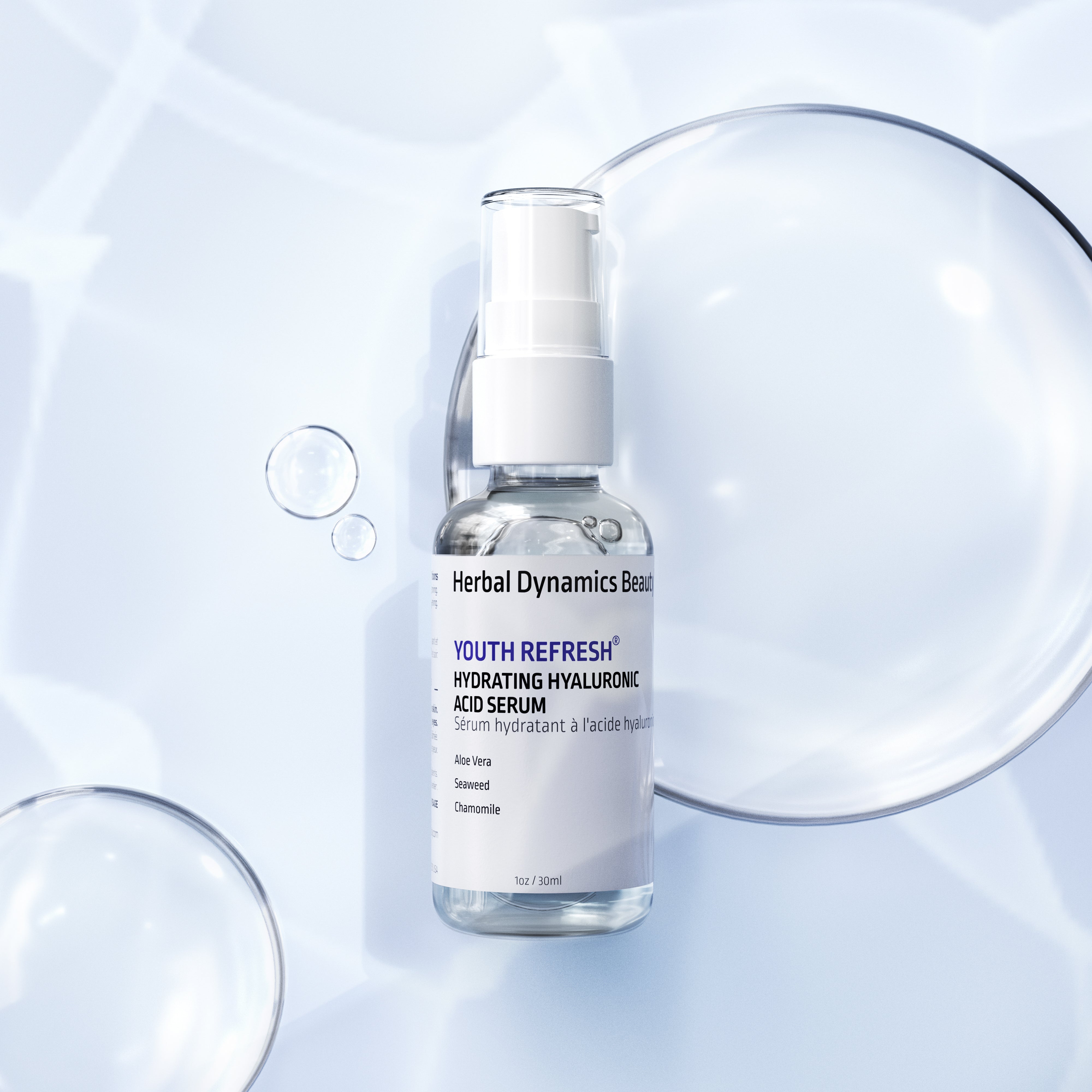
Youth Refresh® Hydrating Hyaluronic Acid Serum combines hyaluronic acid, glycerin and sodium PCA with botanical ingredients. When tolerated, it can fit after cleansing and before moisturizer. Review whether your current cream already gives you enough hydration before adding it.
A cream or lotion can combine several ingredient roles that a watery serum does not supply by itself. Emollients improve surface softness; occlusive ingredients help limit moisture loss. The moisturizing-ingredient guide explains those differences without requiring separate steps for each.
An oily-but-tight face may prefer a lighter moisturizer than a flaky dry face. Adjust to your response rather than treating everyone described as dehydrated with the richest available cream. Moisturizer selection provides a useful comparison.
Some hydrating products work comfortably on slightly damp skin, but that is not a requirement for every formula. Treatments with dry-skin directions take priority. Use the damp-versus-dry application guide for the specific HA question.
A hydrating toner can duplicate your serum. Facial oil can add emollient support but is not simply another humectant. Compare oil and moisturizer before adding both. Keep sunscreen separate and undiluted in the morning.
Look for less post-wash tightness and more comfortable wear through the day. Change one factor at a time: the cleanser, moisturizer texture or optional treatment exposure. This makes the result easier to interpret than replacing the whole shelf.
Normal fluid intake supports health, but persistent facial tightness is not proof that you need excessive water. If discomfort continues despite gentle care, or if it comes with marked itching, swelling, cracking or a rash, arrange assessment instead of repeatedly increasing product layers.
See the full morning and night product order or choose a routine for your skin type and main concern.
By Herbal Dynamics Beauty · Updated October 2, 2026.