Your Cart is Empty


The best products for an irritated skin barrier are usually a gentle cleanser, a well-tolerated moisturizer and suitable sun protection. A serum or toner is optional. Start with the missing function in your routine, not the longest ingredient list or the boldest “repair” claim.
| Your need | What to look for | What to check |
|---|---|---|
| Gentle cleansing | A mild, fragrance-free non-soap wash | Use without scrubbing; repeated washing can still irritate. |
| Dry, tight skin | A cream combining humectants, emollients and occlusives | Richness and tolerability matter more than a repair promise. |
| Interest in barrier lipids | Ceramides alongside a useful moisturizing base | An ingredient list alone does not establish speed of barrier recovery. |
| Extra hydration after skin is comfortable | An optional humectant serum | Do not substitute it for moisturizer or add it while it stings. |
Prioritize a cream or lotion that does not sting, fits your preferred texture and leaves skin comfortable between applications. Very dry areas often need more occlusion than a water-based serum supplies. Oilier skin may prefer a lighter lotion, with richer care only on dry patches.
Ceramides are a useful option, not a requirement for every effective moisturizer. If you specifically want a ceramide formula, our ceramide-moisturizer selection guide compares lipid labels, texture and formula design. If your main difficulty is reacting to products, start with sensitive-skin moisturizer selection.
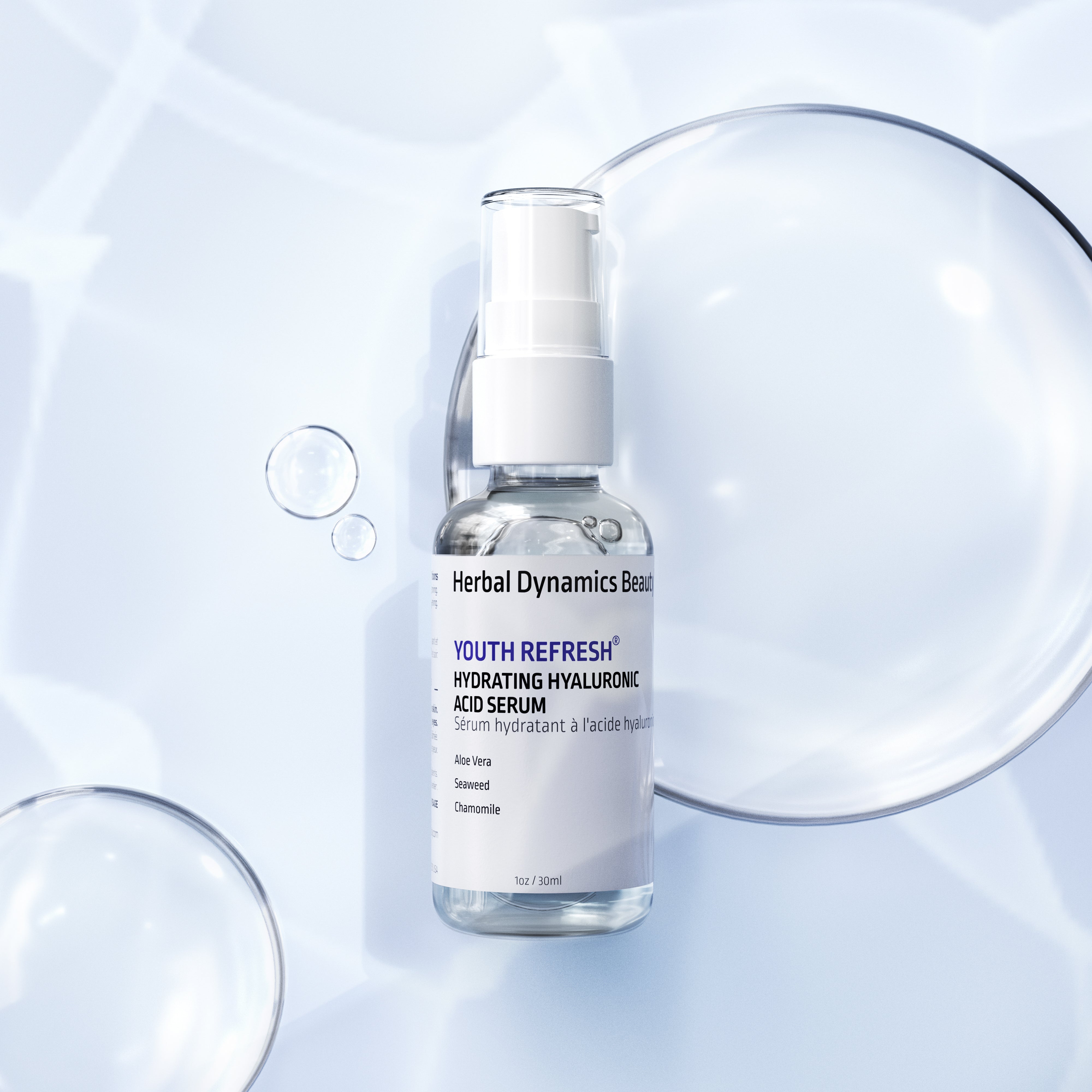
Youth Refresh® Hydrating Hyaluronic Acid Serum is an optional humectant step under moisturizer, not a stand-alone treatment for a compromised barrier. Its listed ingredients do not establish a clinical barrier-repair claim for the finished serum.
Youth Refresh® Prickly Pear Antioxidant Daily Moisturizer combines humectant and emollient ingredients for an everyday routine. Its ingredient list also includes retinyl palmitate and ethyl ascorbic acid, so it is not our default recommendation during an actively stinging flare. Consider it only when the complete formula is already tolerated.
Neither product is being presented here as a ceramide moisturizer. Ingredient lists can change; check the package you receive.
Test one new product at a time following the AAD product-testing guidance. A home use test cannot exclude allergy. If symptoms persist or worsen, do not keep buying increasingly complex products: seek an assessment. See the simple routine for order and the stinging-moisturizer guide for troubleshooting.
Barrier-focused product selection is one part of the wider moisturizer decision. Compare face moisturizers by skin type and richer options for dry skin when comfort and texture are the main purchase criteria.
A leave-on barrier product cannot make an uncomfortable wash a good fit. Compare facial cleansers by skin type and review cumulative over-cleansing.
Judge a recovery-oriented PDRN product by its complete moisturizing base, tolerance and relevant topical evidence. A larger PPM number cannot compensate for a formula that stings, and injection research cannot certify an ordinary serum. PDRN selection criteria explain source and concentration transparency. The barrier evidence guide keeps experimental water-loss findings separate from wound claims and basic daily moisture care.
If recurrent sensitivity is the main buying concern, compare sensitive-skin product choices. The sensitive-skin overview explains why discomfort does not by itself prove barrier damage.
For a formula featuring B5, Panthenol product selection adds ingredient-specific label and format checks. Panthenol with ceramides explains the complementary roles; the presence of both does not by itself prove a clinical repair result.
The urea selection guide asks about concentration, body area and moisturizing base. A higher percentage is not automatically better barrier care, especially on an irritated face. The urea evidence guide distinguishes the endpoints that product claims may borrow.
Check the complete moisturizing base, known triggers and relevant finished-product evidence rather than relying on a repair headline. Beta-glucan does not replace lipid support, and a larger stated concentration cannot guarantee comfort. Beta-glucan selection guidance covers material and format checks; the barrier-specific guide distinguishes moisture support from small procedural studies and medical wound claims.
By Herbal Dynamics Beauty • Updated October 5, 2026
General cosmetic education, not a diagnosis or treatment plan. Persistent, painful or worsening skin symptoms need professional assessment.