Your Cart is Empty


Your skin barrier helps keep water in and limits what enters from the environment. When its function is disrupted, skin may feel tight, rough or unusually reactive. The useful first move is usually to remove the irritant, simplify cleansing and moisturize—not add a shelf of “repair” serums. Persistent symptoms need a diagnosis, because eczema, allergy and other conditions can look similar.
The outermost epidermal layer, the stratum corneum, contains flattened cells surrounded by organized lipids. Ceramides, cholesterol and fatty acids are important parts of that system. Water-binding compounds inside the cells also help the surface remain flexible. The familiar brick-and-mortar picture is a useful simplification, not the whole biology.
The barrier is not an airtight coating. Some water normally escapes through it: transepidermal water loss, or TEWL. Healthy function means regulating that loss, not eliminating it. Research on stratum-corneum organization explains why the arrangement of lipids matters alongside their presence.
| What you notice | What it may mean | What it cannot tell you |
|---|---|---|
| Tightness, roughness or flaking | Dryness, cleansing stress or irritation | Whether a particular ceramide is missing |
| New stinging from familiar products | Increased reactivity or a formula reaction | That every ingredient is harmful |
| Itch, redness or a rash | Irritation, allergy or an inflammatory condition | A reliable home diagnosis |
| Bumps alongside burning | Acne and irritation may coexist | That all bumps are “barrier breakouts” |
Inflammation may appear pink or red on lighter skin and darker, dusky or purple-toned on deeper skin. Changes in comfort, swelling and texture matter too. A shiny surface is not proof of a healthy barrier, and flakes do not mean that more exfoliation is needed.
Use the over-exfoliation guide if symptoms followed acids or scrubs. If they followed acne medication or a retinoid, read how to handle actives during irritation and contact your prescriber when appropriate.
These are overlapping descriptions, not four diagnoses you can reliably separate in a mirror. Dry skin often needs richer moisturization; “dehydrated” describes low surface water; sensitivity describes reactivity. A disrupted barrier can contribute to all three. Our dry versus dehydrated skin comparison explains where those labels help and where they stop being useful.
The barrier-repair routine gives an AM/PM sequence. For shopping decisions, use the barrier-product buying guide. For expectations, see why recovery has no universal deadline.
| Job | Examples | Where to learn more |
|---|---|---|
| Lipid support | Ceramides with other moisturizer components | Ceramides for skin |
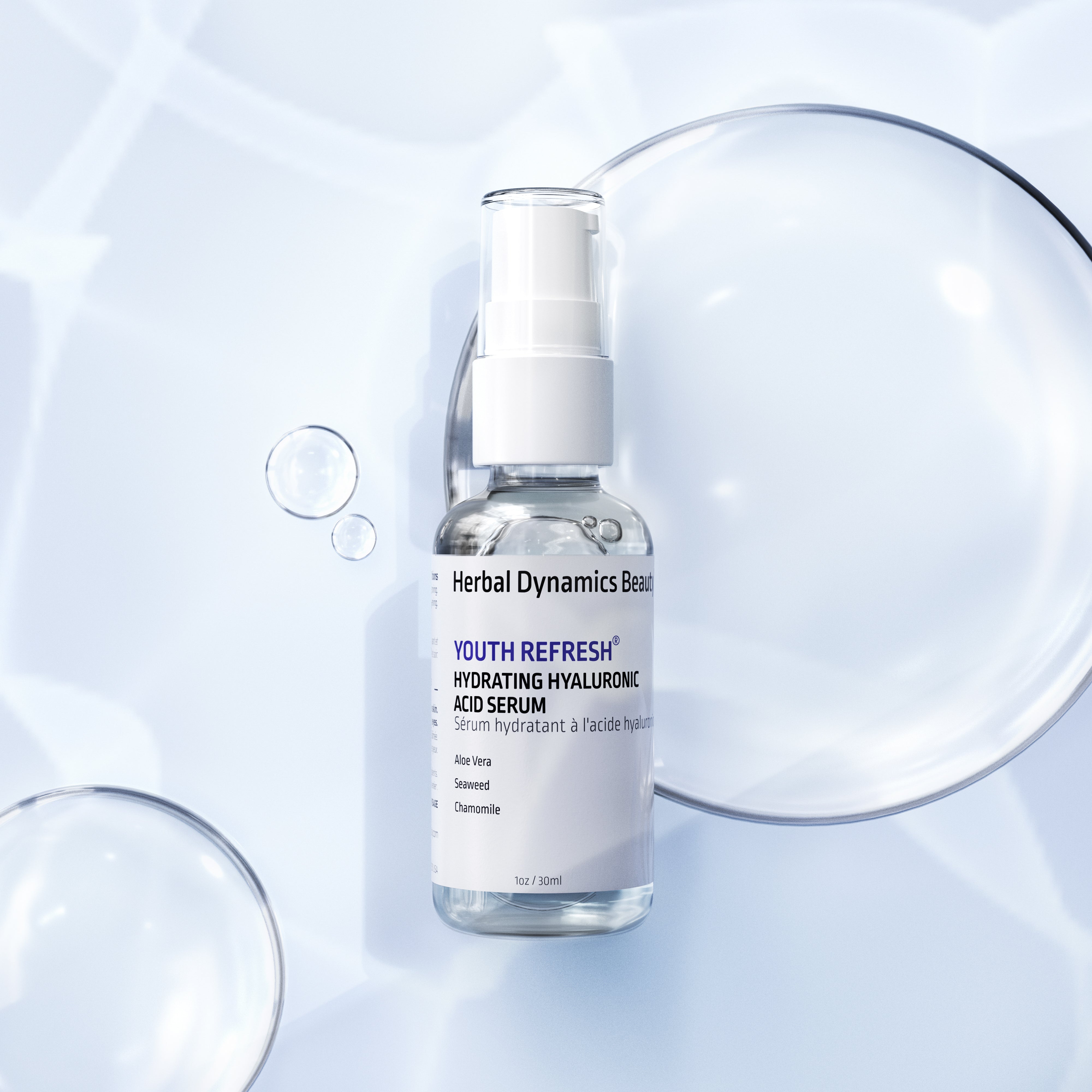
| Water binding | Glycerin, hyaluronic acid, panthenol | Humectants |
| Softening roughness | Emollient oils, esters and fatty alcohols | Emollients |
| Reducing evaporation | Petrolatum or other occlusive ingredients | Petroleum jelly |
| Optional skin-conditioning support | Colloidal oatmeal, Centella, beta-glucan | Botanical benefits and limits |
No one ingredient replaces the full routine, and no cosmetic ingredient can make repeated irritation harmless. A tolerated moisturizer can be useful even if it does not contain every fashionable barrier ingredient.
Squalane’s emollient role is one example of why softness and complete barrier repair are different claims. Squalane for dry skin explains its place in a moisturizing formula without treating a plain oil as a replacement for the organized barrier-lipid system.
If a moisturizer highlights green tea, the green tea tolerance guide explains why botanical antioxidant research is separate from barrier recovery. Keep the moisturizing base and your comfort central to the decision.
Seek prompt care for painful spreading redness, warmth, pus, fever, significant swelling, blistering or symptoms near the eyes. Trouble breathing or swelling of the lips or tongue is an emergency. Recurrent rashes, persistent itch or dryness that does not respond to gentle care also deserve professional evaluation.
Barrier support can complement treatment for eczema or acne. It should not be presented as a cure or a reason to abandon prescribed care.
Repeated acids or scrubbing can contribute to irritation. Use the over-exfoliation recovery guide when symptoms follow that pattern, and the exfoliation guide only when considering an optional step on comfortable skin.
For the ordinary cream or lotion decision, use face moisturizer benefits and ingredients. The dry-skin buying guide helps compare richness, while this barrier guide remains the starting point for barrier function and disruption.
Repeated washing can add to irritation. Review signs of over-cleansing and choose a wash with the cleanser guide.
A mask can be one of the products contributing to irritation. Mask-related dryness and reactions covers the immediate decision; the broader barrier-care plan remains the priority.
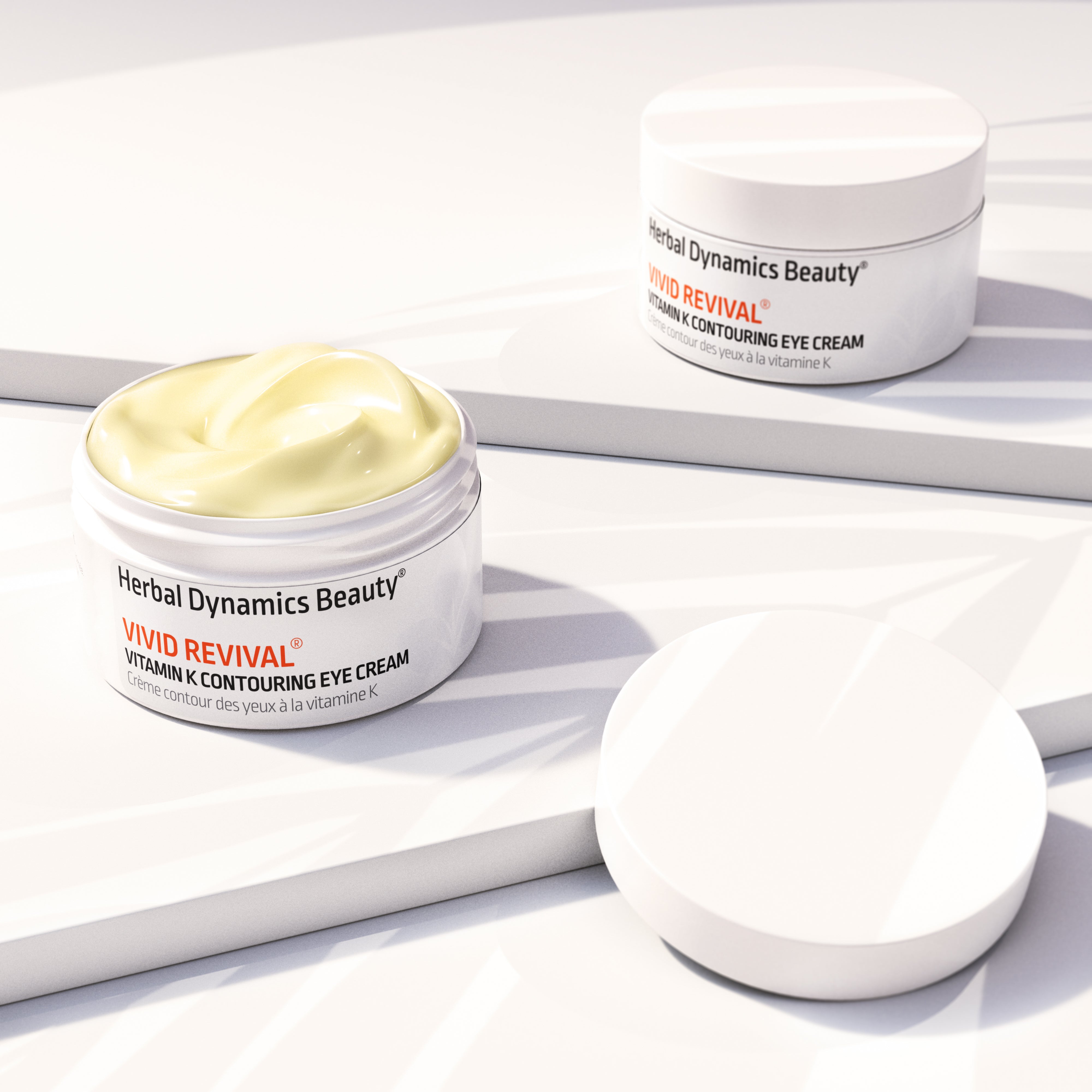
For dryness or scaling near the eyes, use the under-eye care guide.
For dryness below the neck, use body moisturizer basics and very dry body-skin formula choices. Body coverage, friction and showering call for a different practical routine from facial care.
The niacinamide barrier article remains the focused reference. Use sensitive-skin selection and the percentage guide before adding a high-strength serum to an uncomfortable routine.
Sensitive skin is not automatically the same thing as barrier damage. Use that guide for routine choices and the reaction comparison for the limits of identifying irritation or allergy at home.
Once skin is comfortable, the sensitive-skin bakuchiol guide can help assess an optional visible-aging product. Bakuchiol should not be used as a treatment for an active barrier reaction.
For a reaction after a retinoid, use retinol burning, peeling and dryness guidance. Once basic care is comfortable, moisturizer buffering explains an optional technique with product-specific limits.
General cosmetic education, not a diagnosis or treatment plan. Persistent, painful or worsening skin symptoms need professional assessment.
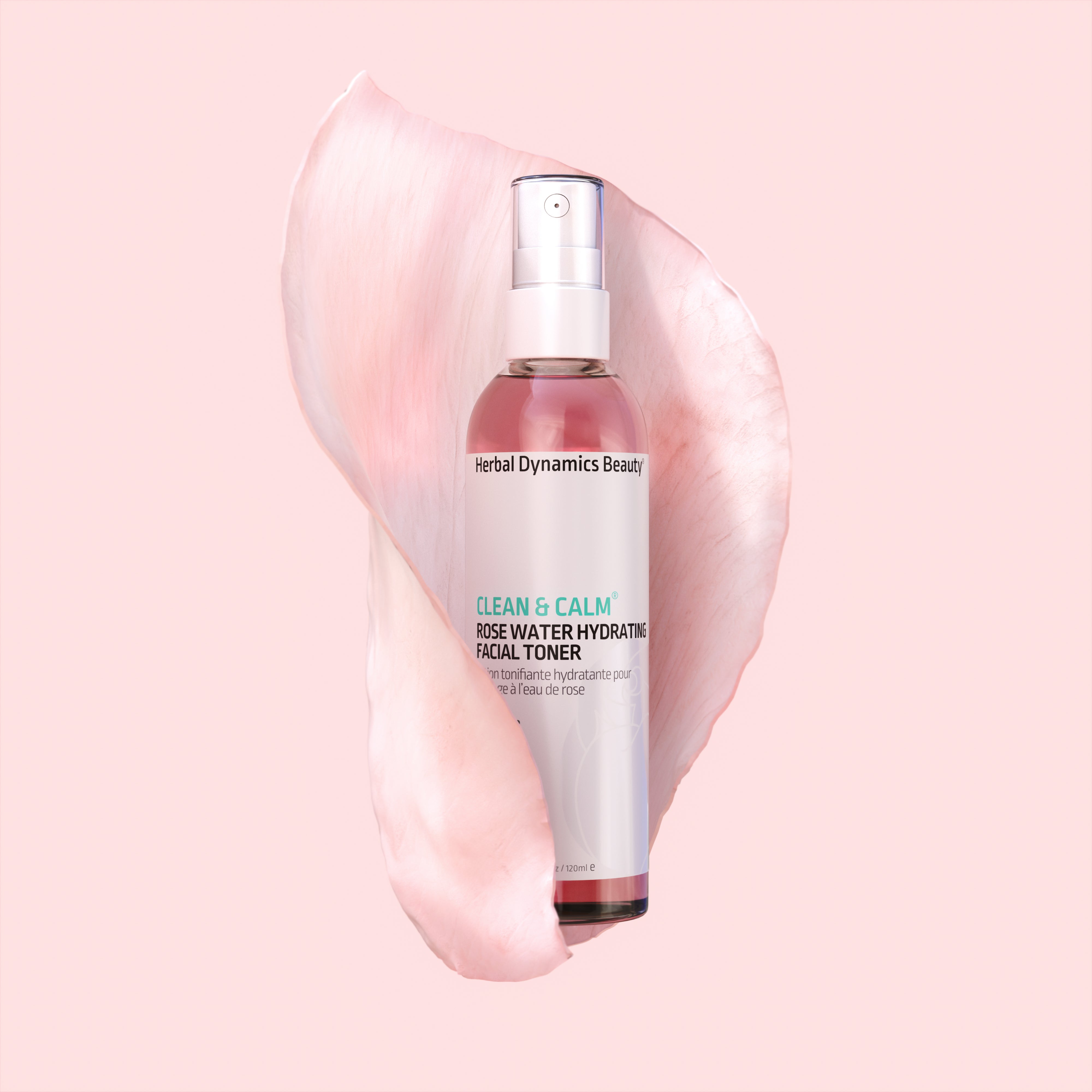
If you are considering another after-cleansing step, use the sensitive-skin toner guide and the pH-balancing toner explanation. A toner is optional, especially while the skin is irritated.
If azelaic acid is part of your routine, the hydration and moisturizer guide explains supportive layering. The irritation guide helps identify when worsening symptoms should prompt a review instead of another active.
For the botanical’s specific contribution, read Centella in a barrier-support routine. The Centella-versus-ceramides comparison explains why a cica serum and a lipid-containing moisturizer are different choices.
Glycerin supplies water-binding support within many moisturizers, but increased hydration does not automatically prove lower water loss. The glycerin and TEWL guide separates those outcomes and explains its role beside barrier lipids.
By Herbal Dynamics Beauty • Updated September 25, 2026
Use the short routine for mild cosmetic barrier irritation. Keep product-specific and prescription instructions first; an additional cosmetic step is optional.