
Your Cart is Empty


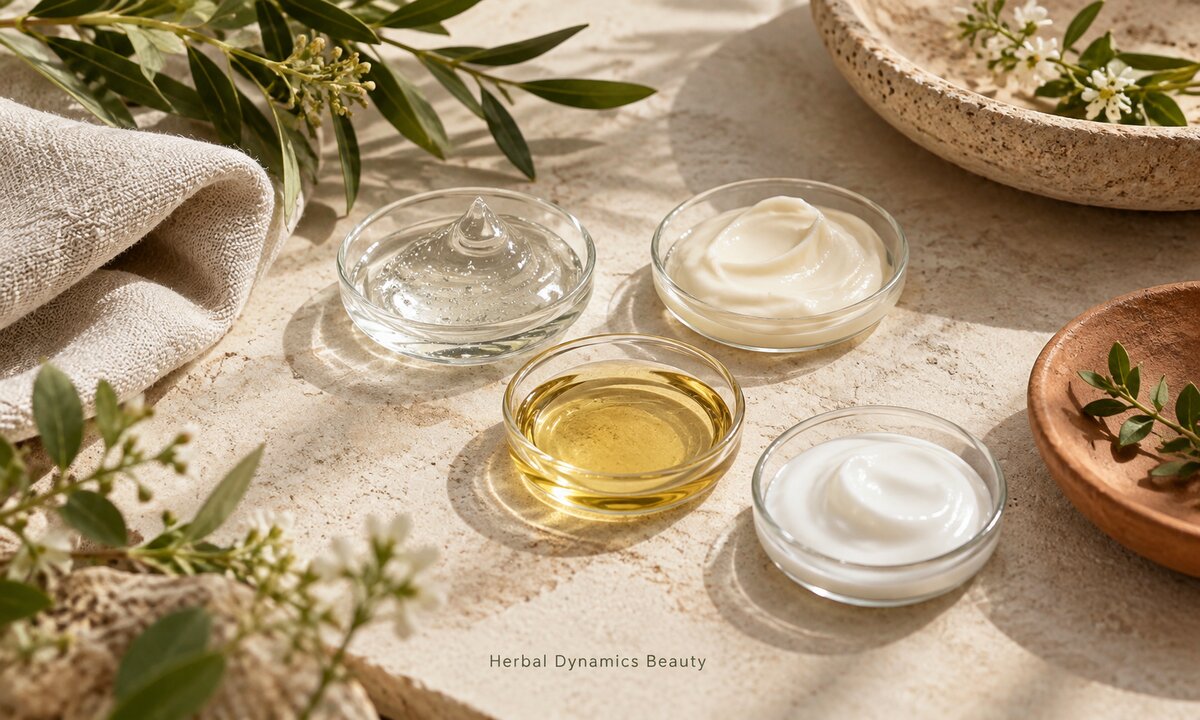
Choose a face serum by the concern your basic routine does not already address. A serum is an optional format, not a guarantee of high strength, deep penetration or better results than a moisturizer. Cleanser, moisturizer and sunscreen may already cover your needs.
Start with one goal and evaluate the entire formula. Adding several serums because each has a different headline ingredient can increase expense and make a reaction harder to trace.
A serum is a cosmetic format that can deliver humectants, antioxidants, niacinamide, peptides or other ingredients in a relatively light vehicle. Some are water-based, some are emulsions and some are oil-based. The word itself does not establish a standard concentration or clinical advantage.
A humectant serum can improve hydration and the appearance of dry surface lines. A tone-focused formula has a different goal; a labeled acne medicine has different evidence and directions again. Choose the function before the format.
The hyaluronic acid, vitamin C, niacinamide, peptide and retinol guides explain their own evidence. Use them to evaluate a formula, not as a checklist of ingredients every routine must include.
For that ingredient category, how to choose a bakuchiol serum covers concentration claims, texture, evidence and routine fit without ranking competing products.
For pigment-focused selection, the alpha-arbutin serum guide examines formula evidence, concentration disclosure, texture and compatibility with products you already use.
For a TXA-specific purchase decision, how to choose a tranexamic-acid serum covers the concern, concentration, texture, supporting ingredients and routine compatibility.
| Goal | Category to consider | Focused buying guide |
|---|---|---|
| Extra water-binding support | A humectant formula, while retaining moisturizer if needed. | Hyaluronic-acid serum choices |
| Niacinamide-specific tone or oil-appearance support | A tolerated niacinamide formula; check whether your moisturizer already contains it. | Niacinamide serum choices |
| Uneven-looking tone and antioxidant-focused care | A vitamin C formula with appropriate stability and tolerance. | Vitamin C serum choices |
| Visible fine lines or photoaging | An appropriate retinoid preparation, with its additional precautions. | Retinol and retinoid serum choices |
| Acne-prone skin | Distinguish a supportive cosmetic from a labeled acne medicine. | Serums in an acne routine |
| Reactive skin | A minimal, tolerated formula—or no additional serum. | Sensitive-skin serum choices |
Check the disclosed concentration, the other ingredients and how the product fits your routine. Higher strength does not automatically improve the outcome. The percentage guide separates studied preparations from marketing assumptions.
For oiliness, use the oil-specific guide; for discoloration, use niacinamide and uneven tone. Neither question requires adding a second niacinamide product if a comfortable moisturizer already meets the need.
A light texture does not establish a particular molecule size or penetration depth. Creams and lotions can also contain active ingredients. Their humectants, emollients and water-loss-reducing ingredients may be especially useful when skin is dry.
If your face is tight or peeling, review the whole routine before buying another watery serum. The barrier guide and moisturizer comparison can help identify the missing step.
If a comfortable moisturizer already hydrates well, a separate humectant serum may add little to your routine. If skin feels dry despite a watery serum, review the moisturizer and cleansing step before increasing serum layers. The dry-skin serum guide separates an optional hydration layer from the emollient and water-loss-reducing support dry skin may need.
If your main concern is uneven tone, choose one targeted formula and track that goal separately from hydration. For visible fine lines, decide whether you want temporary improvement in dry surface appearance or a treatment with evidence for a different endpoint. These are different purchase decisions, even when both bottles use the word “rejuvenating.”
No. Plant extracts, essential oils, fragrance or other ingredients can be personal triggers. A natural label does not guarantee tolerance, and a synthetic ingredient is not automatically irritating. Check known allergens and consider fragrance-free choices when fragrance is a concern.
Follow AAD product-testing guidance and the manufacturer’s directions. A home trial cannot rule out every delayed reaction. Persistent burning, rash or swelling is a reason to stop and seek advice when needed.
Follow the specific label. Many water-based serums fit after cleansing and before moisturizer; a medication may have different instructions. Do not impose one wet-skin rule or waiting period on all products.
Use niacinamide application guidance, retinol-specific instructions or the layering guide as relevant. Sunscreen remains the daytime protection step; an antioxidant serum does not supply its SPF.
Look for a human study of the actual preparation or an appropriately limited explanation of ingredient evidence. A controlled niacinamide moisturizer trial shows why a cream format can have research support; it does not prove every serum with the same ingredient will reproduce that result.
Read the endpoint and comparison. A hydrated feel, a photograph, an oil measurement and acne clearance are different outcomes. Choose a product that serves a realistic goal at a tolerable level of complexity.
Start with the function you want, then identify the active form and finished-product evidence. A chemical antioxidant assay, a controlled UV test and a visible-appearance trial answer different questions. A longer list of antioxidants does not automatically improve the result.
The antioxidant guide owns the broader science. For a Vitamin C purchase, use Vitamin C serum selection; for the phenolic partner, Ferulic serum selection gives the narrower checklist. C + E + Ferulic evidence shows why formula-specific research matters. No antioxidant serum acquires SPF from those studies.
Decide whether a serum adds a useful role to your full routine. Keep product-specific and prescription instructions first; an additional cosmetic step is optional.
Before adding a targeted serum, review ingredient origin and formulation. A natural or synthetic label does not identify the right active, concentration or clinical evidence for your concern.
HDB Hyaluronic Acid Hydrating Serum is a humectant-focused option to assess when an extra hydration layer would be useful. Compare it through the HA serum selection guide and retain moisturizer when your skin needs it.
HDB Vitamin C Rejuvenating Serum lists ethyl ascorbic acid, a vitamin C derivative. It belongs in a tone or antioxidant-focused comparison, not as a substitute for moisturizer or sunscreen. Use the vitamin C selection guide to evaluate active form, tolerance and evidence. The numbers in either product name do not, on their own, establish the pure active concentration.
Herbal Dynamics Beauty makes and sells these products. A listed ingredient explains formula fit; it does not establish that this finished serum reproduced results from a different clinical preparation.
After using the selection guide to check formula fit, you can browse HDB face serums. The category name is a browsing aid; review each complete ingredient list and intended use before choosing a product.
By Herbal Dynamics Beauty • Updated October 11, 2026






