Your Cart is Empty


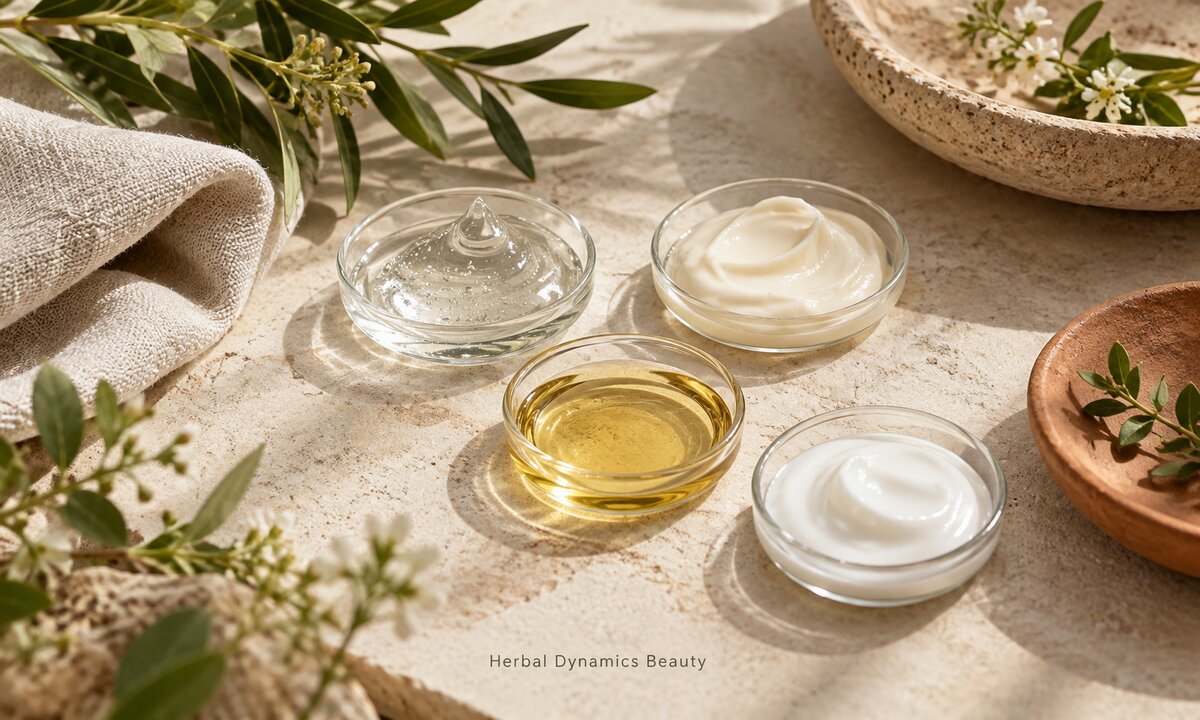
Urea can be formulated with other moisturizing ingredients, including glycerin, hyaluronic acid, ceramides, panthenol, niacinamide and squalane. The useful question is what each ingredient adds to the finished product. Hydration, lipid support and emollient softness are complementary roles, but their presence does not guarantee tolerance or require a separate bottle for each one.
A hydration-focused urea cream and a strong localized keratolytic preparation create different compatibility decisions. Confirm the intended area and instructions before layering other treatments. Urea for skin and concentration guidance explain that starting point.
| Partner | Role to consider | Practical implication |
|---|---|---|
| Glycerin | Another small humectant. | A shared formula can combine water-binding ingredients without requiring two steps. |
| Hyaluronic acid | A water-compatible polymer in hydrating textures. | A light serum may still need moisturizing support. |
| Ceramides | Barrier lipids with formula-dependent delivery. | Their role differs from urea’s NMF-related water retention. |
| Panthenol | A conditioning and humectant ingredient with its own evidence. | It does not erase the irritation potential of a strong urea product. |
| Niacinamide | An ingredient with separate concentration and skin-function questions. | An additional high-dose serum is optional, not required for synergy. |
| Squalane | Emollient softness and slip. | Plain oil does not supply the water phase or all functions of a complete cream. |
A study of a urea, ceramide NP and lactate emollient supports the tested finished formulation, rather than each possible pairing in isolation. Likewise, a urea plus NMF hydration study cannot establish that adding any arbitrary humectant blend reproduces its results.
There is no universal ingredient checklist that guarantees superior barrier support. Compare the product’s evidence, texture and purpose. Urea and ceramides and glycerin versus urea examine the relevant roles more closely.
A complete moisturizer may already provide urea, another humectant and an emollient base. If it meets your goal, a second hydrating serum may add cost and complexity without a necessary new function. Read the whole declaration rather than only the headline active.
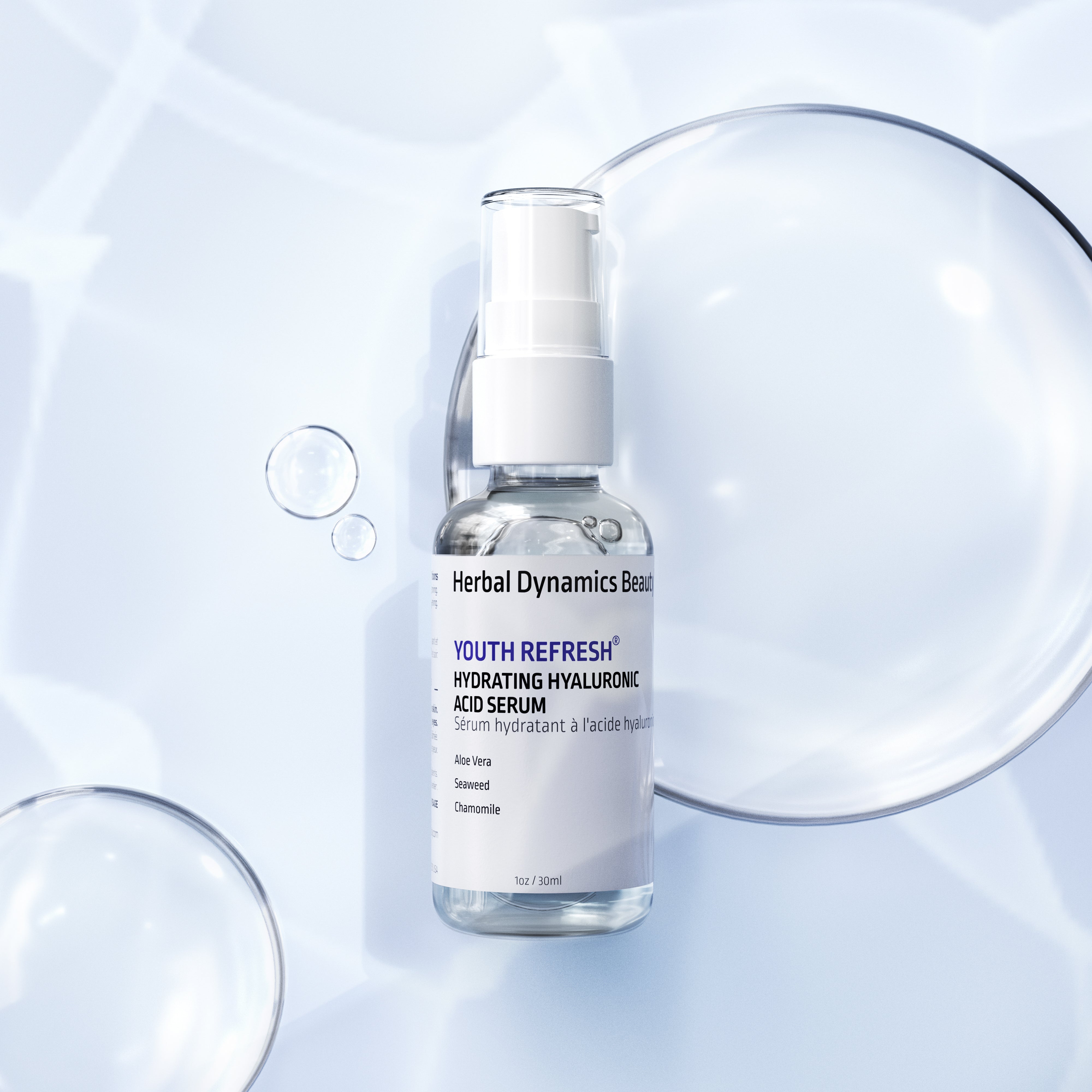
If a hyaluronic acid or panthenol serum helps your routine, use its directions and an appropriate moisturizer afterward. Urea versus hyaluronic acid explains the format comparison. Panthenol format guidance covers the B5-specific decision.
Lactate salts in a hydrating formula and a deliberately exfoliating lactic acid product are different contexts. A strong urea preparation plus a separate acid may increase discomfort, especially on sensitive or damaged skin. A humectant partner does not automatically make a treatment gentle.
Urea and lactic acid covers that pairing. Urea versus glycolic and salicylic acid explains how the rough-skin goals differ.
The practical issue is the overall irritation load and the directions of the treatment. A mild moisturizer is a different choice from a keratolytic urea product. Do not add a stronger urea preparation to skin already peeling from retinoids to speed up shedding.
Follow prescription instructions and simplify a reacting routine. Retinol irritation guidance and urea tolerance guidance cover those decisions without inventing a mandatory waiting interval.
Urea product selection, urea application and routine order connect these choices. There is no required morning-versus-night split for every moisturizing partner.
By Herbal Dynamics Beauty · Updated October 4, 2026.