Your Cart is Empty


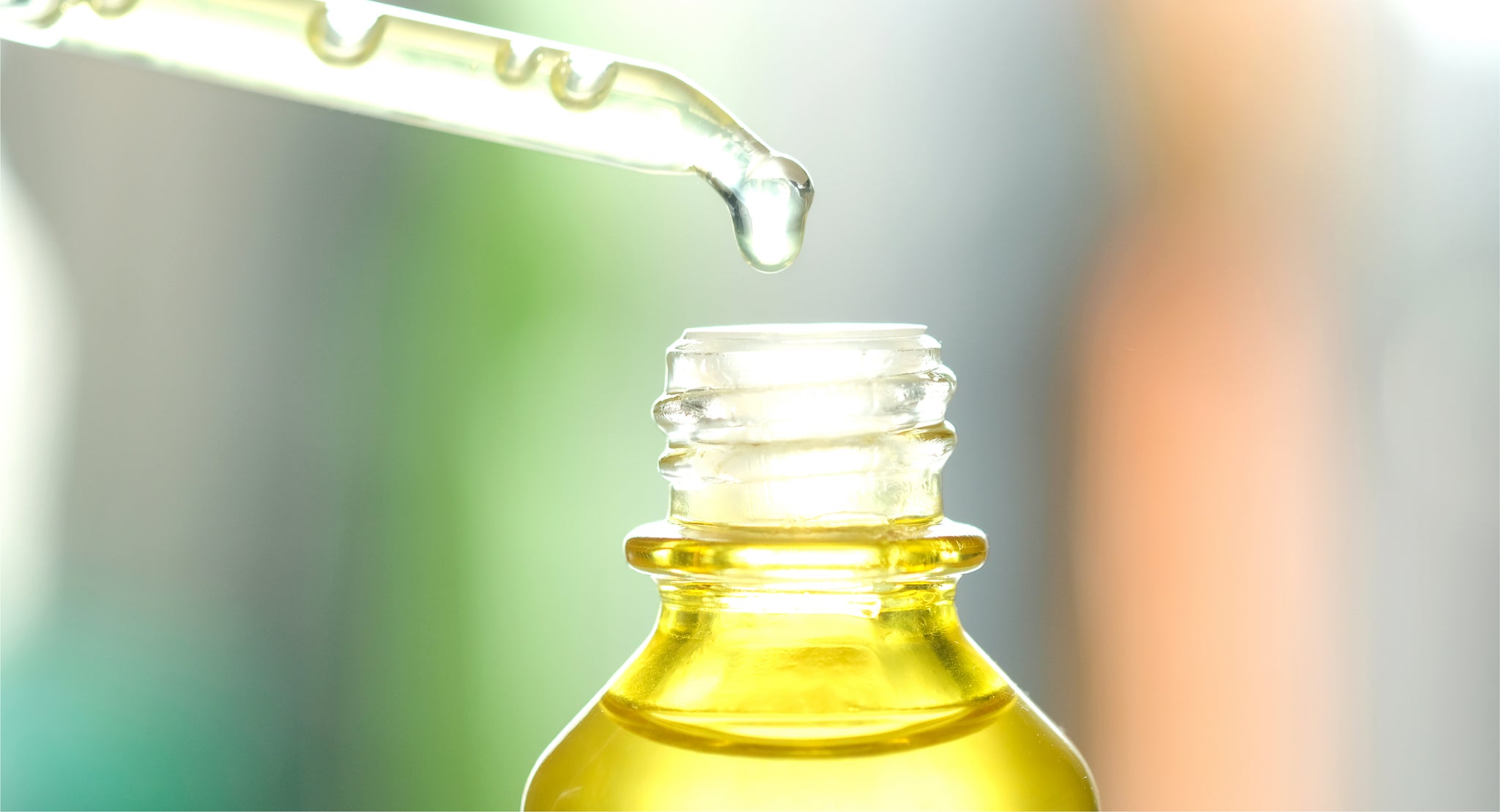
A facial oil mainly supplies emollient ingredients. A moisturizer can combine water, humectants, emollients and ingredients that reduce moisture loss. They are not always interchangeable, and you do not need both if one suitable moisturizer keeps your skin comfortable.
| Feature | Facial oil | Cream or lotion moisturizer |
|---|---|---|
| Typical makeup | Oil or oil-like emollients; mixtures vary | An emulsion with several moisturizing ingredient roles |
| Water-binding support | A plain oil does not provide humectants | Often includes glycerin, hyaluronic acid or similar ingredients |
| Finish | Can add softness, shine or slip | Ranges from light to rich |
| Best reason to add it | A specific comfort or texture preference | A basic moisturizing step that fits your skin |
Some products called oil-serums contain more than oils, and some moisturizers are water-free ointments. The ingredient list and directions are more reliable than a product's category name alone.
Some people find an oil adequate for their preferred routine, but persistent tightness is a reason to reassess it. A dry face may need a cream with more than an emollient oil. Do not assume that a shiny surface means the skin has all the moisture support it needs.
For dryness, compare complete moisturizer options. If the main question is loss of water versus a dry skin type, use dry versus dehydrated skin.
An optional oil may improve the feel of a familiar evening moisturizer on a dry area. It is also reasonable to choose a richer cream and omit the extra step. Neither approach is automatically more advanced.
Do not mix oil into sunscreen or use it to dilute a prescribed treatment. If your routine pills, reduce unnecessary layers and let each product settle as directed.
Oily skin may still benefit from a suitable moisturizer. That does not mean it also needs oil. Choose a lightweight formula if that feels better, and avoid treating ingredient comedogenicity charts as guarantees.
The acne-prone moisturizer guide addresses treatment-related dryness and product selection. Facial oil is not a substitute for acne medication, and continuing through persistent new bumps is not required for the skin to “adjust.”
For a specific emollient example, the squalane guide explains softness and formula context. If you are considering a separate bottle, choosing a squalane product helps determine whether an oil adds anything beyond your current moisturizer.
Squalane oil versus squalane moisturizer compares two ways to use the same emollient. Prickly pear seed oil and extracts explains why botanical laboratory findings do not establish finished-product results. For the narrower decision between different oil formulas, use the facial-oil selection guide.
A serum is another format, not a synonym for a complete moisturizer. The oil versus serum comparison explains how to avoid buying two products for the same job.
For larger areas below the neck, use body oil versus lotion. It covers oil after a body cream and whether layering adds useful comfort.
By Herbal Dynamics Beauty · Updated September 24, 2026.
Where an oil's instructions allow it, an optional small layer after moisturizer still comes before sunscreen. Let compatible earlier layers settle and keep sunscreen undiluted. If the combination becomes greasy or pills, omit the optional oil instead of using less sunscreen. For a single emollient's details, see squalane application order.
See the full morning and night product order or choose a routine for your skin type and main concern.
By Herbal Dynamics Beauty · Updated October 2, 2026.