Your Cart is Empty


A sensitive-skin routine starts with gentle cleansing, a tolerated moisturizer and daytime sunscreen. Keep optional toner, serum, exfoliant and fragrance exposure low while establishing comfort. The goal is a repeatable plan your skin tolerates, not a long list of soothing ingredients.
This guide organizes daily steps. The sensitive-skin overview explains causes, signs and the limits of self-assessment. Sensitivity can coexist with oily, dry or combination skin; it does not diagnose eczema, rosacea or contact allergy.
| Session | Recommended steps | Optional choices |
|---|---|---|
| Morning | Cleanse gently as needed, moisturize, then use tolerated broad-spectrum SPF 30 or higher. | Omit extra liquids if the essential products already feel comfortable. |
| Evening | Remove sunscreen and makeup gently; follow prescribed treatment directions, then moisturize as appropriate. | A separate night cream or mask is not required. |
| After a suspected cosmetic reaction | Stop the suspected new cosmetic and use familiar tolerated basics while assessing symptoms. | Do not test several new soothing products on sore skin. |
Use light fingertip contact and comfortably warm water. An additional makeup-removal product may be useful if it reduces repeated rubbing, but two cleansers are not obligatory. Judge the actual wash by comfort rather than assuming every creamy, foaming or sulfate-free formula behaves the same way.
Choose a fragrance-free formula with a texture you tolerate as a useful starting category. Humectants support water binding; emollients and occlusive ingredients supply other moisturizing functions. A serum alone may not provide the finish you need. See moisturizer selection and glycerin in sensitive-skin formulas.
Plant extracts are not automatically gentler than other ingredients. Centella and green tea have ingredient research worth understanding, but their presence does not prove that the entire product will be comfortable on your skin.
If a sunscreen stings, assess the whole formula and application area rather than repeatedly layering it over actively irritated skin. A fragrance-free mineral formula can be a starting option, but no filter type guarantees tolerance. Use the sunscreen guide and its sensitive-skin choices. Shade and protective clothing remain useful alongside sunscreen.
Wait until basic care is consistently comfortable before experimenting. Identify one goal, choose one finished product and follow its instructions. Keep other products stable so a reaction is easier to trace. Small-area testing cannot rule out every later allergy or irritation.
If considering retinol, use retinol starting guidance rather than copying someone else's nightly frequency. If you use an exfoliant, count acids in washes and toners too. A hydrating serum cannot make an excessive treatment schedule safe. The ingredient-scheduling guide explains how to reduce overlapping steps.
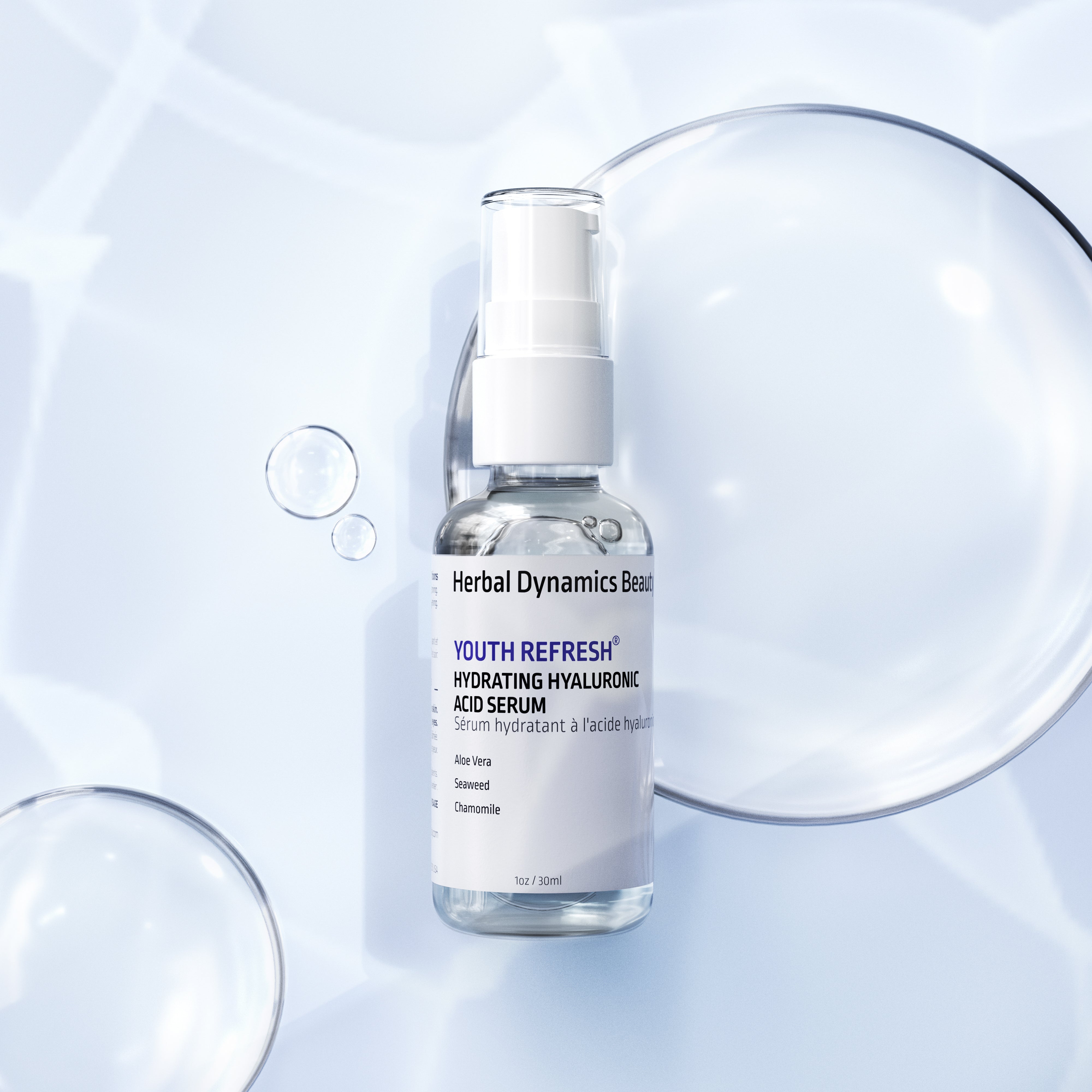
For stable skin needing extra hydration, Youth Refresh® Hydrating Hyaluronic Acid Serum is an optional humectant formula containing aloe, hyaluronic acid, glycerin and botanical extracts. Review the complete ingredient list against known triggers. This is not a default recommendation for an active rash or a treatment for a diagnosed skin condition.
If your moisturizer already supplies comfortable hydration, skip the extra serum. Do not automatically add a botanical toner, essential oil or overnight mask because its name sounds calming.
Use the barrier-recovery routine for short-term simplification after mild cosmetic irritation; it does not establish the diagnosis. Contact the prescriber if a medicine causes problems. Seek prompt care for severe swelling, blistering or eye symptoms, and assessment for ongoing or recurrent reactions. Breathing difficulty or swelling of the lips or tongue requires emergency help.
See the full morning and night product order or choose a routine for your skin type and main concern.
By Herbal Dynamics Beauty · Updated October 2, 2026.