Your Cart is Empty



A routine for dull-looking skin should start with gentle cleansing, enough moisturizer and daytime sunscreen. If a specific goal remains, add one suitable hydration, antioxidant or exfoliating product. You do not need a twelve-step routine, a poreless finish or a new acid every night to make skin look fresher.
Dullness describes an appearance, not a diagnosis. Dryness, surface roughness, uneven tone and the way products sit can all affect the finish. The dull-skin overview explains possible contributors. This guide puts the practical cosmetic routine together.
| Step | Morning | Evening |
|---|---|---|
| Cleanse | Wash gently as needed for residue. | Remove sunscreen and makeup without abrasive scrubbing. |
| Optional goal | Choose a tolerated antioxidant or hydrator if needed. | Use one scheduled treatment only if there is a clear reason. |
| Moisturize | Choose a finish that sits comfortably beneath sunscreen. | Give dry areas enough moisturizing support. |
| Protect | Apply broad-spectrum SPF 30 or higher as directed. | Keep daytime protection consistent rather than chasing a one-night transformation. |
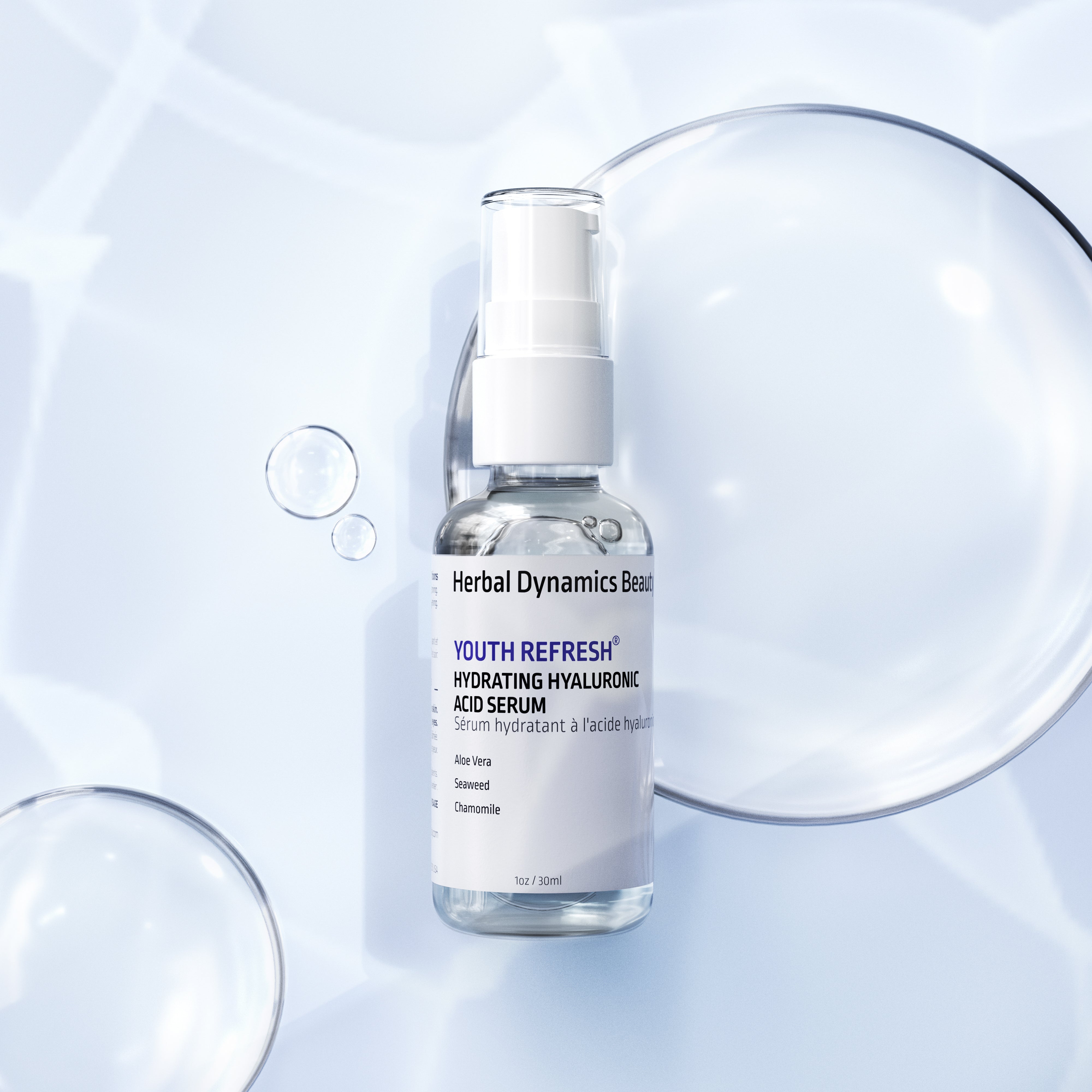
Use a moisturizer before assuming the surface needs exfoliating. Youth Refresh® Hydrating Hyaluronic Acid Serum can be an optional hydration step beneath cream if it adds comfort. It is not required when moisturizer already supplies enough hydration. The dehydrated-skin routine explains that distinction.
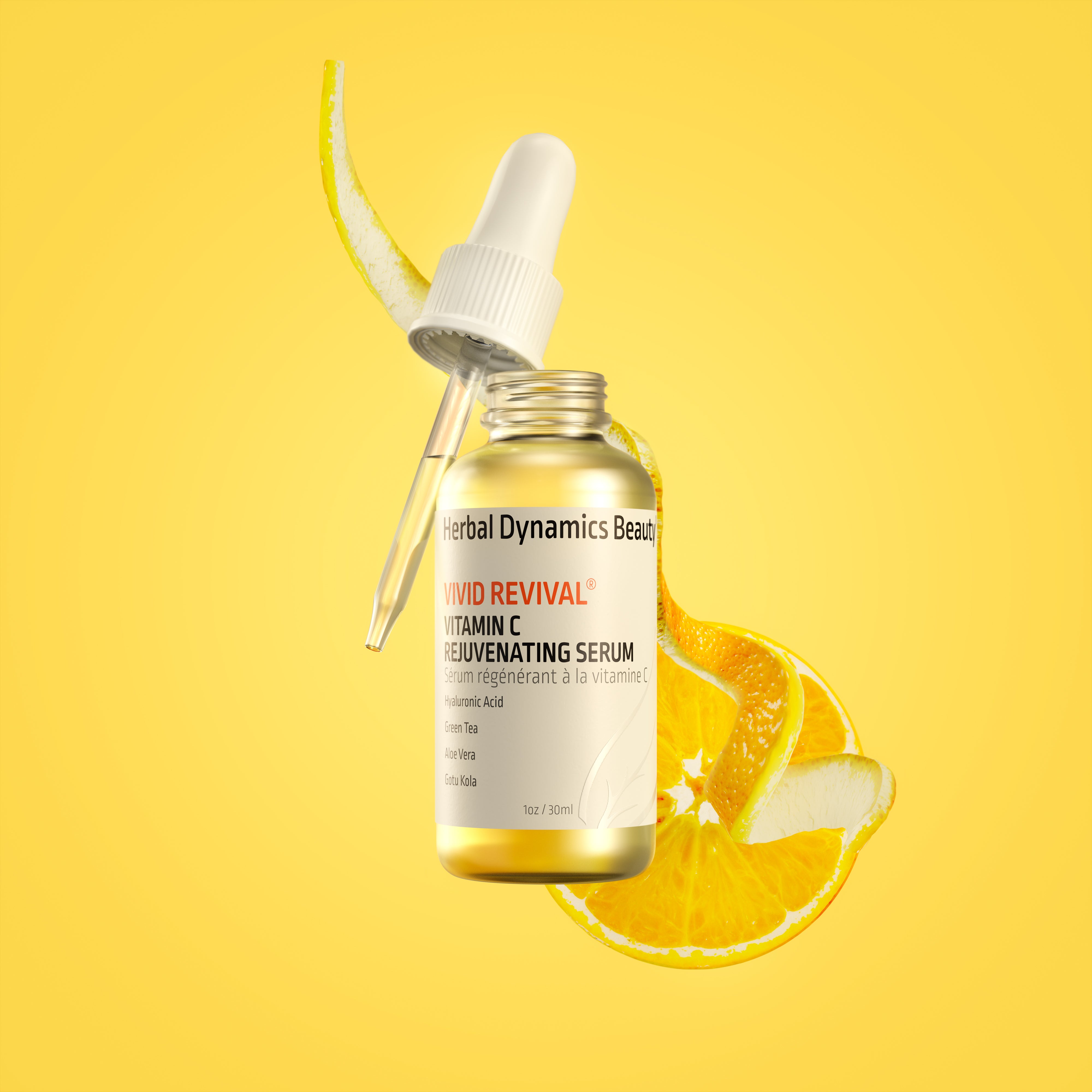
Vivid Revival® Vitamin C Rejuvenating Serum can fit an optional antioxidant and tone-focused step when its full formula is tolerated. It already contains humectants; using another hydrating serum is not automatically necessary. See vitamin C evidence and use for the ingredient's limits.
If individual dark spots are the main concern, use the hyperpigmentation routine instead of increasing exfoliation to chase a glow.
Optional exfoliation can address some surface roughness, but an acid is not the first response to painful flakes or burning skin. Count any exfoliating wash, toner or mask you already use. Follow the selected product's contact time and frequency; there is no universal daily requirement.
The facial-exfoliation guide and active-pairing guide cover ingredient choices without turning this routine into an exfoliant shopping list. Skip new acids during irritation and review persistent symptoms with a clinician.
Only if there is a remaining function you want. Facial oil may add sheen but does not replace all moisturizing functions. A separate eye product should follow eye-area directions. A moisturizing mask can be an occasional format, not an obligatory layer over an already rich cream.
Do not apply oil over morning sunscreen simply to make the finish shinier. Simplify optional layers if makeup or sunscreen pills. Oil versus moisturizer helps decide whether an extra finish is useful.
A temporary dewy finish is not proof of deep skin repair. Keep the routine consistent enough to assess how the products feel and look, rather than switching all of them after one dull-looking morning. There is no guaranteed number of days to a brighter complexion.
Normal pores and texture remain visible on healthy skin. Seek assessment for persistent rash, unexplained changes or painful irritation instead of masking symptoms with stronger cosmetics. For a routine that simply needs reducing, return to the three-step beginner plan.
If the finish you want is often called glass skin, a manageable glass-skin routine explains the aesthetic without requiring poreless skin or an elaborate set of layers.
For a deadline rather than a long-term ingredient experiment, special-event skincare planning prioritizes familiar formulas and avoids a last-minute peel or new serum.
See the full morning and night product order or choose a routine for your skin type and main concern.
By Herbal Dynamics Beauty · Updated October 2, 2026.