Your Cart is Empty



Quick answer: The safest way to manage common breakouts is to keep the routine simple: cleanse gently, use a non-comedogenic moisturizer and broad-spectrum sunscreen, introduce one evidence-based acne active at a time, and do not pick or scrub the spots. Painful, deep, scarring, widespread, or persistent acne deserves professional care.
A “breakout” can include blackheads, whiteheads, or inflamed pimples. Milia can look similar, especially near the eyes, but they are small keratin cysts rather than acne. Correctly identifying the bump matters because the right response is not the same for every type.
Start with the acne-prone skin overview if you need help distinguishing lesion types or understanding the causes. This guide focuses on putting the daily steps together.
The American Academy of Dermatology acne guideline supports topical options including benzoyl peroxide, retinoids, salicylic acid, and azelaic acid. The U.S. Food and Drug Administration recognizes benzoyl peroxide as an active ingredient in over-the-counter topical acne products. An active can still cause dryness, burning, or irritation, so follow its label and stop using it if you develop a serious reaction.
Consistency matters more than aggressive treatment. The American Academy of Dermatology notes that it may take about four to eight weeks to see some improvement from an acne treatment, with more clearing taking longer. Switching products every few days makes it difficult to judge what works and can increase irritation.
Take a baseline photo in consistent lighting and assess the overall pattern—not a single spot. If an over-the-counter routine has not helped after a reasonable trial, or if acne is leaving scars or dark marks, a dermatologist can recommend prescription options and check for another cause.
Ask an obstetric clinician or dermatologist before starting acne treatments during pregnancy or breastfeeding. Avoid retinoids during pregnancy or while planning pregnancy; ask your treating clinician about suitable alternatives. “Natural” does not automatically mean pregnancy-safe, so discuss botanical and essential-oil products as well as medications.
Professional care is appropriate when acne is painful, deep, widespread, rapidly worsening, leaving scars, or affecting your wellbeing. Seek prompt medical advice for pronounced swelling, fever, spreading redness, eye involvement, or signs of a serious allergic reaction.
If a blemish has flattened but left color behind, read Herbal Dynamics Beauty’s guide to post-acne marks versus true acne scars. For ingredient selection, see the salicylic acid guide and the comedogenic scale explainer.
Sensitivity does not create a separate acne diagnosis. Keep a tolerated cleanser, moisturizer and sunscreen stable, introduce treatment as directed, and leave optional scrubs, acid toners and masks out while assessing tolerance. Review acne treatment with an irritated barrier if skin burns or peels.
Oiliness and hydration are different. Use the dry-versus-dehydrated guide for that distinction. For product selection, use the acne-prone skincare buying guide, with focused choices for cleansers and moisturizers. A serum or toner is optional.
Purging, irritation and product-related acne can overlap in appearance. Do not assume every worsening needs a stronger active. Adult hormonal patterns and hairline exposures may need different assessment. The acne-prone skin overview explains the main causes and lesion types.
Once a blemish has healed, kojic acid pigment guidance may help evaluate an optional cosmetic step. Adding a brightening formula does not control new acne or demonstrate faster clearing. Review overlapping actives before expanding a routine that already contains acne treatment.
This article provides general skin-care education and does not diagnose or treat a medical condition.
Before adding an astringent or acid liquid, see choosing toner for oily and acne-prone skin. Count an exfoliating toner as another active step.
If sensitivity limits your routine, compare gentle cleansing choices and the sensitive-skin guide. Discuss irritation from prescribed treatment with your clinician instead of adding several soothing cosmetics.
Keep the acne-prone moisturizer guide as the starting point when breakouts drive the decision. The oily-skin moisturizer guide focuses on light texture, and moisturizer basics explains why oiliness does not eliminate every moisturizing need.
Do not add washing whenever a new spot appears. Use the face-washing frequency guide and make a second cleansing step depend on removal needs.
A mask is not required to complete an acne routine. Review mask selection alongside acne treatment and new bumps or irritation after masking.
See retinoids during pregnancy and breastfeeding for the evidence and questions to discuss with your healthcare professional.
Keep the acne-treatment plan first. The niacinamide acne guide explains optional support, while the niacinamide application guide covers where a compatible serum or moisturizer fits. Introduce a new cosmetic separately so its effects are easier to assess.
By Herbal Dynamics Beauty • Updated October 4, 2026
For photoprotection in this routine, read sunscreen selection for acne-prone skin. Use the facial sunscreen guide for label criteria, application and reapplication.
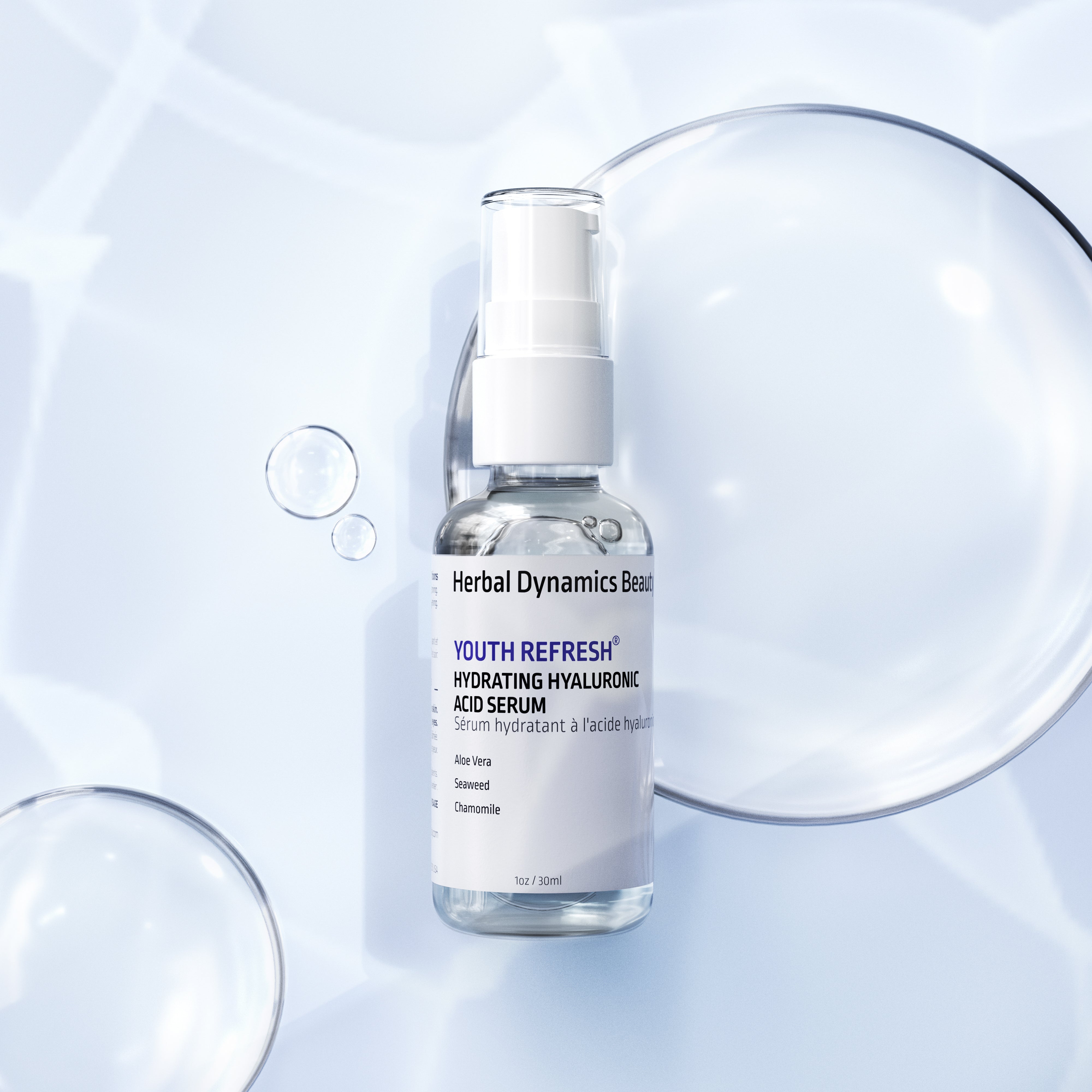
If an otherwise tolerated routine needs extra hydration, Youth Refresh® Hydrating Hyaluronic Acid Serum is an optional cosmetic layer, not an acne medicine. Review the full botanical formula and introduce it separately from a new treatment. Once breakouts leave flat color behind, the dark-spot routine helps organize pigment care without automatically adding more acne actives.
See the full morning and night product order or choose a routine for your skin type and main concern.
By Herbal Dynamics Beauty · Updated October 4, 2026.