
Your Cart is Empty


Anti-pollution skincare claims should identify the exposure, tested formula and measured outcome. Antioxidants can be relevant to oxidative processes, while cleansing and moisturizing perform different jobs. No cosmetic ingredient list proves protection against every pollutant, removes unspecified toxins or replaces appropriate environmental and sun-protection measures.
Ozone, airborne particles and UV exposure are different research challenges. A chemical antioxidant assay does not show that a serum captures particles, and a controlled ozone experiment does not validate a broad claim about all urban exposures.
Oxidative-stress education explains the process. It is not a diagnosis you can establish from a dull complexion or a new rash.
Defined Vitamin C compound mixtures containing Ferulic have been tested in ozone-exposed cultured keratinocytes and in controlled human forearm exposure. Researchers assessed damage-related markers. The cell and human studies answer different questions, and the findings belong to the tested mixtures.
Ferulic and pollution research explains those studies in detail. Their results do not isolate Ferulic, certify every Vitamin C serum or establish prevention of all visible environmental aging.
| Category | Useful role to evaluate | Claim boundary |
|---|---|---|
| Vitamin C | A named antioxidant form in a stable preparation. | A derivative cannot automatically inherit another formula’s study result. |
| Ferulic Acid | A phenolic antioxidant, often in defined mixtures. | Presence alone is not proof of a complete pollution shield. |
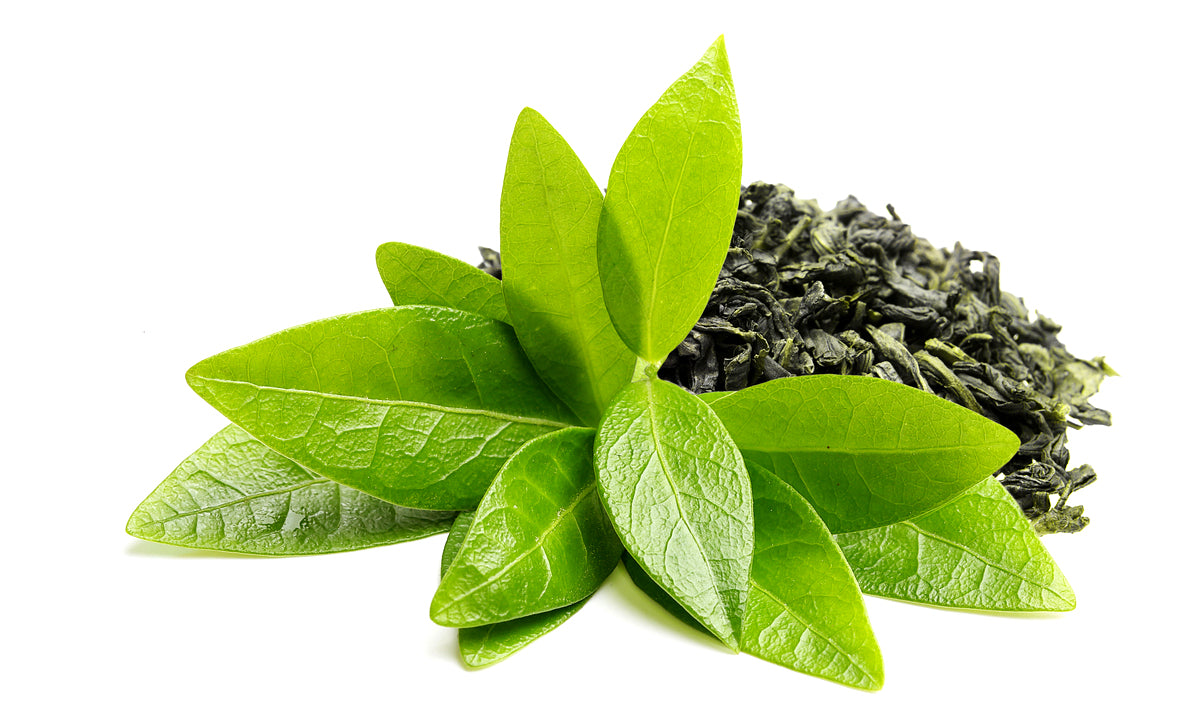
| Green tea | A variable catechin-containing extract. | Botanical identity does not disclose an EGCG dose. |
| CoQ10 | An ingredient with topical delivery and antioxidant research in selected formulas. | Normal energy biology is not a visible-aging guarantee. |
| Niacinamide | A distinct ingredient with its own formula evidence. | Its presence does not establish protection against every pollutant. |
| Humectants, emollients and occlusives | Components of a comfortable moisturizing base. | Moisturizing is different from removing toxins. |
Choose a cleanser that removes your routine’s makeup, sunscreen and surface material comfortably. Double cleansing is optional, and repeated scrubbing does not prove better pollution protection. If washing leaves skin tight or stinging, review the method and product.
An ingredient such as charcoal or a plant extract cannot establish a facial “detox” without a defined, relevant test. Judge the finished cleanser on its intended cleansing role rather than borrowing antioxidant-serum evidence.
A suitable moisturizer can support a comfortable surface through the combined base. This is different from proof that a botanical heals damage or rebuilds collagen. Barrier education and moisturizer selection cover those choices.
Sunscreen is tested for UV filtering, not as a general barrier against environmental toxins. Use sunscreen guidance with shade and clothing. Antioxidant mixtures do not provide a labeled SPF or extend reapplication intervals.
Ask what pollutant and model were tested, whether the exact product was used, which outcome changed and what control was included. Consider fragrance, known triggers, storage and whether another layer is necessary.
The face-serum guide owns broad antioxidant-serum selection. Ferulic serum selection covers that ingredient-specific choice; green-tea environmental guidance covers another evidence base.
Use the environmental-care routine and routine order to place optional products. Persistent symptoms or occupational exposure concerns require assessment relevant to their cause, rather than progressively stronger “anti-pollution” cosmetics.
By Herbal Dynamics Beauty · Updated October 4, 2026.






