Your Cart is Empty


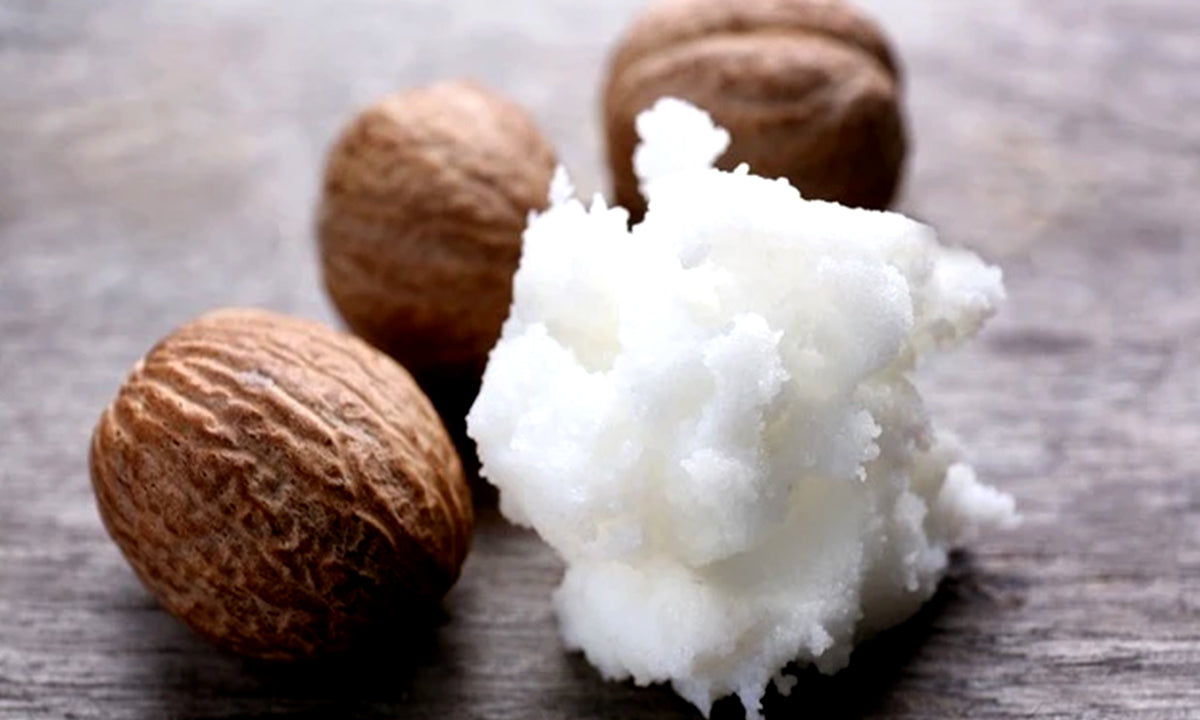
Shea butter is a rich plant-derived fat used as an emollient in skincare. In a facial moisturizer, it can contribute softness and a protective-feeling finish. It is not a proven treatment for acne or a substitute for sunscreen, and a thick texture does not guarantee that it suits every dry or sensitive face.
Shea butter commonly appears as Butyrospermum parkii butter. A cream containing it can feel very different from plain butter because the rest of the formula changes spreadability, texture and water-binding performance. “Raw,” “natural” or “unrefined” does not by itself establish better clinical results or lower allergy risk.
| Format | Possible use | Limitation |
|---|---|---|
| Shea-containing facial cream | A convenient blend of moisturizing ingredients | Assess fragrance, actives and the rest of the formula |
| Plain shea butter | A rich emollient layer if tolerated | Does not supply the water and humectants in many creams |
| Shea-containing body butter | Rich care for the intended body areas | Check directions before using a body product on the face |
A rich cream may be useful when a light lotion leaves cheeks rough or uncomfortable. Shea butter can be one of several emollients in that cream; it does not need to be the star ingredient. Start with the dry-skin moisturizer guide if choosing an overall formula.
If the skin is cracked, persistently itchy, inflamed or painful, do not assume a thicker butter is the solution. Dryness can occur alongside eczema, irritation or another condition that needs different care.
There is no dependable yes-or-no prediction for every face based on a numerical ingredient rating. Concentration, other ingredients, application and individual response matter. A product may feel too heavy without causing acne, or may be unsuitable despite an appealing “non-comedogenic” claim.
For acne-prone skin, choose an appropriate finished moisturizer and introduce it gradually. The comedogenicity guide explains the limits of ingredient rankings. Do not use shea butter in place of an established acne treatment.
Reviews of topical plant oils and butters discuss composition, moisturizing uses and experimental biological effects. Those different types of evidence should not be treated as interchangeable. Research on a component or a laboratory model does not establish that plain shea butter treats a skin disease.
Claims that it eliminates wrinkles, treats cancer, repairs every damaged barrier or provides adequate UV protection go beyond its role as a cosmetic emollient. Use a properly labeled sunscreen for sun protection.
Youth Refresh® Prickly Pear Antioxidant Daily Moisturizer lists shea butter alongside glycerin, prickly pear extract and seed oil, and other emollients. It also contains ethyl ascorbic acid and retinyl palmitate. Consider the whole formula and your ingredient preferences; the presence of shea butter does not make it suitable for every sensitive face.
Use small-area product testing before broad application. If you have a diagnosed ingredient allergy, follow the avoidance advice you were given rather than relying on a “natural” label. Stop a product that causes a reaction.
For body-care selection, compare shea, mango and cocoa butter and finished body-butter formulas. This facial ingredient guide remains separate from choosing a product for large body areas.
For the wider skin-type decision, the botanical selection framework compares emollient oils and butters with extracts and fragrancing materials. Choose the product’s function and your tolerance before treating a plant name as the solution.
By Herbal Dynamics Beauty · Updated September 24, 2026.