Your Cart is Empty


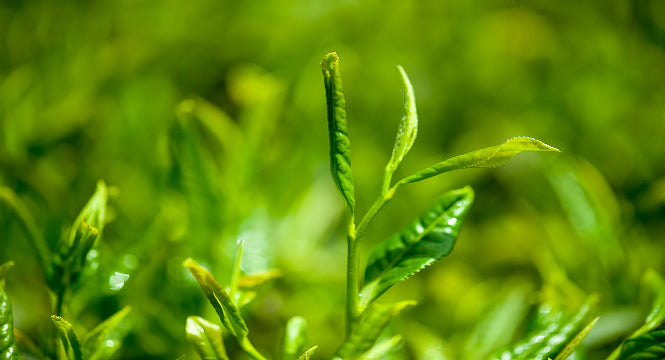
Green tea extract supplies catechins, including EGCG, that are studied for antioxidant activity and selected skin benefits. It can fit a cosmetic routine for a variety of concerns, but human results are limited and specific to the tested preparation. The extract, the finished formula and your skin's tolerance all matter.
Green tea comes from Camellia sinensis. Its catechins include epigallocatechin gallate, often called EGCG. The amount and stability of these compounds differ between extracts and finished products. An ingredient list usually does not reveal how much active catechin reaches the skin.
Antioxidant activity in a laboratory helps explain scientific interest. It does not prove that a cream prevents sun damage, rebuilds scars or produces the same results as a tested extract.
EGCG is a particular catechin, not another name for the entire extract. Culinary matcha powder is another distinct material and should not inherit a standardized extract's clinical claims.
A small study of a particular topical green-tea lotion and a systematic review of clinical trials found encouraging signals. Studies used different preparations, and evidence for applying an extract cannot automatically be transferred to drinking tea or using any cosmetic with green tea listed.
The AAD acne guideline gives stronger treatment support to established medicines such as benzoyl peroxide and topical retinoids. Treat green tea as a possible supporting ingredient, not a reason to postpone care for painful or scarring acne.
When choosing between antioxidant ingredients, CoQ10, resveratrol and green tea compared explains extract identity and the limits of combination studies. The CoQ10 guide covers the separate quinone ingredient.
Read the Green Tea and acne evidence guide for the clinical details. For shine without active breakouts, the oily-skin guide separates measured sebum from surface finish and visible pore appearance.
Choose a finished product for a defined job: moisturizer, serum or another useful step. You do not need multiple green-tea products. Formulation and tolerance matter more than the number of botanical ingredients.
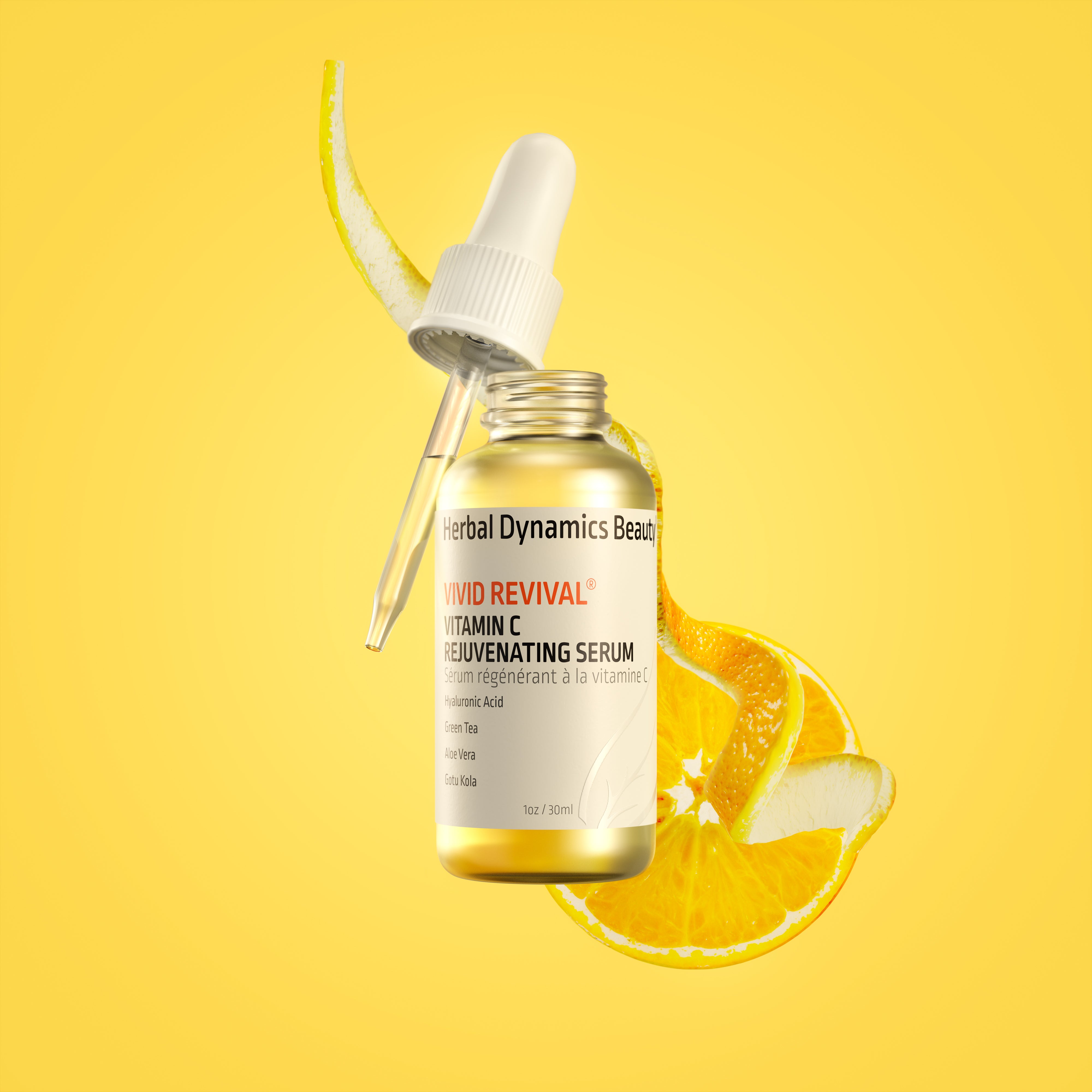
Herbal Dynamics Beauty Vivid Revival® Vitamin C Rejuvenating Serum lists green tea extract alongside a vitamin C derivative and humectants. It is a cosmetic option for a brighter, more even-looking complexion if tolerated. These ingredients do not establish that the finished serum treats acne or reproduces the green-tea trials.
How to use green tea skincare covers morning versus night, frequency and routine order. Use the compatibility guide for vitamin C, niacinamide, hyaluronic acid, retinoids, caffeine, Vitamin K and CoQ10.
Botanical origin does not prevent allergy or irritation. Consider fragrance, solvents and other actives in the complete formula. Stop an optional product that causes persistent itching, burning or rash. Avoid using brewed tea as a preserved leave-on product or substituting it for medical wound care.
Different routes produce different exposures. The drinking-versus-topical comparison explains why neither beverage intake nor supplements can be assumed to reproduce a facial study. For selecting routine essentials, use the acne-prone skincare guide.
Acne findings cannot establish that a green-tea cosmetic treats every cause of redness. Use the facial-redness guide for that distinction. For an optional cosmetic step, the sensitive-skin routine and serum comparison prioritize full-formula tolerance.
Green tea for redness and sensitive skin explains why inflammatory-pathway research does not establish treatment of rosacea or guarantee a soothing product. Green tea antioxidants and environmental stress examines experimental UV responses, visible-aging claims and the continued need for sunscreen.
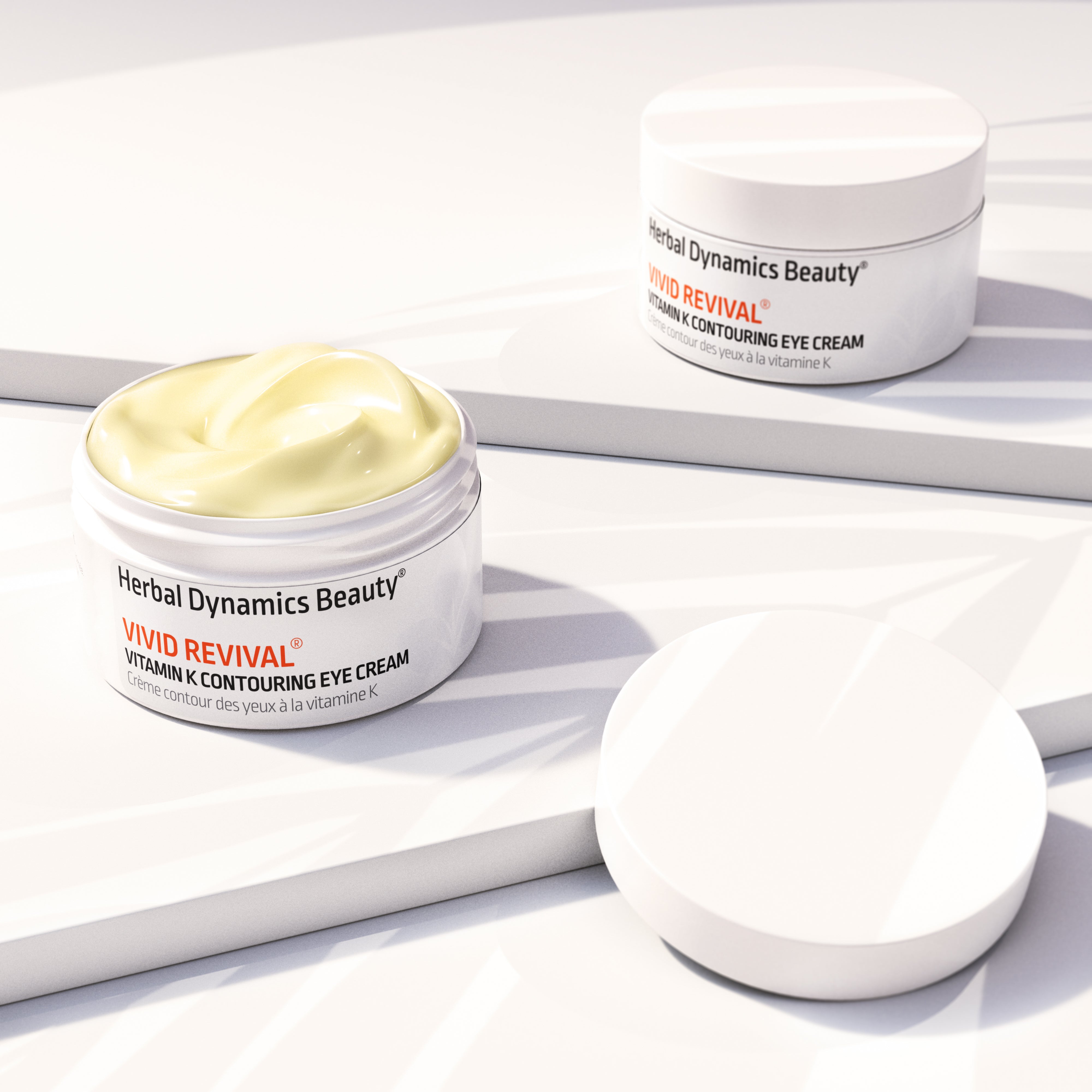
For a targeted eye-area question, use green tea for dark circles and puffiness. That guide includes Green Tea + Vitamin K and an appropriate moisturizing eye-cream option. An eye formula should not be repurposed as an acne or oily-face treatment.
The green tea skincare selection guide compares extract labels, formula types, skin concerns and suitable Herbal Dynamics Beauty examples. Choose a product that serves a real routine step rather than collecting several versions of the same ingredient.
Formulation and stability explains extract percentages, delivery and storage. The results and expectations guide separates study durations from guaranteed cosmetic timelines.
Use mature-skin concerns and mature-skin product selection to place an optional antioxidant step in context. Ingredient mechanisms do not establish finished-product wrinkle results.
Ferulic Acid versus green tea compares a defined molecule with a catechin-containing extract. Ferulic compatibility guidance addresses using suitable formulas together without claiming that extra antioxidant layers automatically improve results.
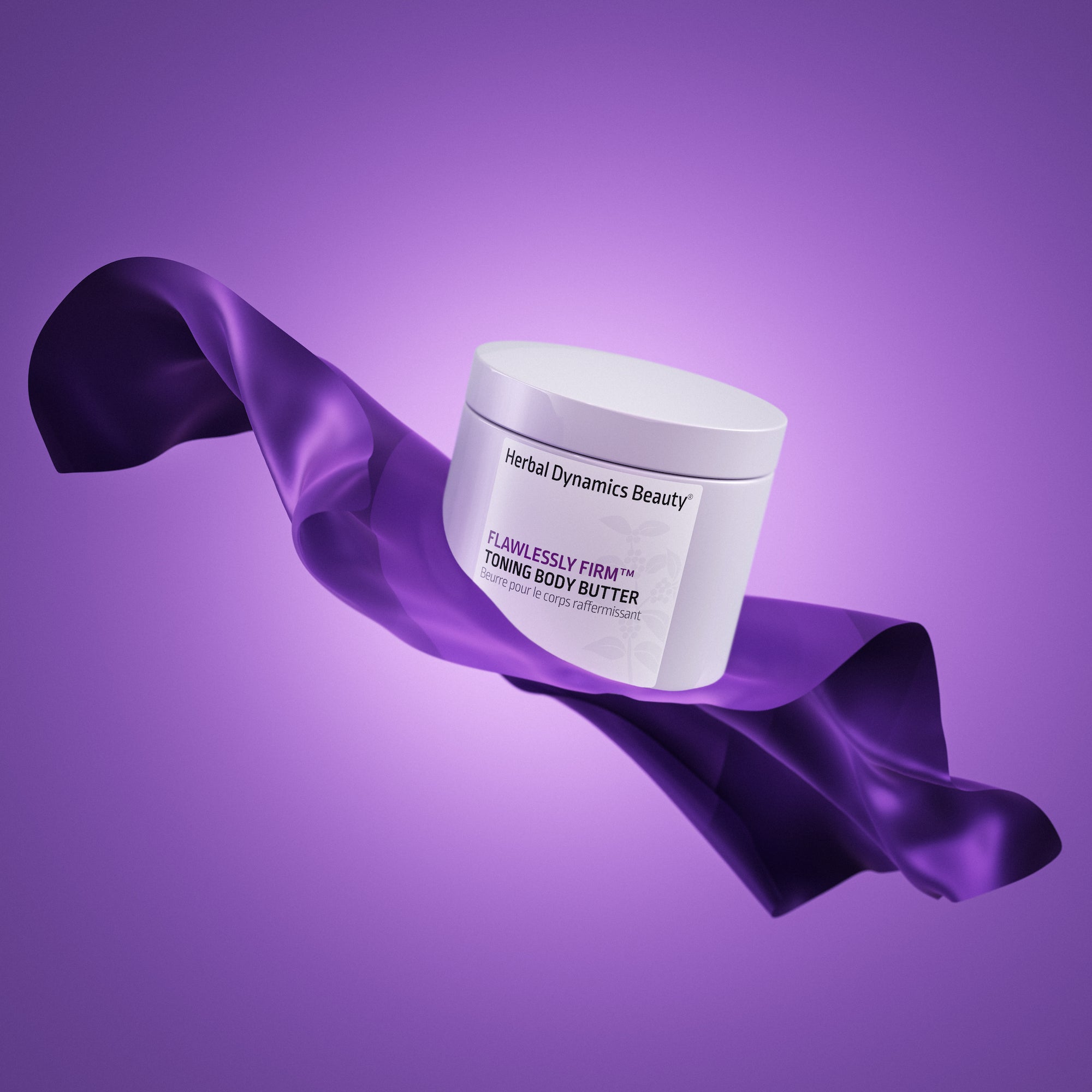
Body products require their own evidence. The body botanical label guide and caffeine body-cream review explain why green tea extract does not establish a quantified caffeine dose or a firming result.
Updated October 1, 2026. General skincare education, not a diagnosis or individualized treatment plan. Seek professional care for deep, painful, scarring, persistent or rapidly worsening acne.
Comparing two botanicals? Centella versus green tea distinguishes cica triterpenes from tea catechins and explains why separate studies cannot rank the finished products.
Understand optional antioxidants within morning skincare. Keep product-specific and prescription instructions first; an additional cosmetic step is optional.
Two botanical extracts can have different constituents and research settings. Licorice’s glabridin and licochalcone A should not inherit green tea evidence, and a shared antioxidant description does not prove synergy. The licorice combination guide assesses green tea as a partner. The licorice ingredient guide explains the separate compound identities and practical roles.