Your Cart is Empty


Coenzyme Q10, usually listed as Ubiquinone in cosmetics, is an antioxidant-related compound used in skin-conditioning formulas. Studies of selected topical preparations support skin delivery and antioxidant effects. They do not prove that every CoQ10 product rebuilds collagen, treats a disease or reverses skin aging.
| Question | Answer |
|---|---|
| Common INCI name | Ubiquinone |
| Other names | Coenzyme Q10; CoQ10; Q10 |
| Ingredient role | Antioxidant and skin conditioning, depending on formulation |
| Is it an enzyme? | It is a coenzyme—a molecule involved in biochemical processes—not itself a digestive enzyme |
| How it relates to skin | CoQ10 is involved in cellular energy processes and redox biology; a cosmetic claim needs topical evidence |
| AM or PM? | Either, according to the finished product’s instructions |
| Does it replace sunscreen? | No |
CoQ10 occurs naturally in the body. Its redox forms participate in electron transfer and antioxidant biology; applying a cosmetic is a separate question from those normal cellular roles. Ubiquinone and ubiquinol explains the names, while free radicals and oxidative stress explains the wider chemistry.
UV exposure and other environmental factors can add oxidative stress. An antioxidant formula is an optional complement to practical environmental protection; it cannot supply an untested SPF.
In Knott and colleagues’ 2015 study, tested CoQ10 formulas increased skin Q10 levels and showed antioxidant-related effects. The research included laboratory work and human-skin measurements and was industry-affiliated. Those findings are useful for the tested preparations, not a clinical trial of every CoQ10 toner.
Changes in an antioxidant marker, immediate softness and measured wrinkle improvement are different endpoints. A product should not use evidence for one as a guarantee of all three.
For a specific concern, read CoQ10 for fine lines and mature skin or CoQ10 for dullness and radiance. The results and timing guide explains why research endpoints cannot become a universal deadline.
Antioxidant biology can be relevant to processes associated with skin aging, but that does not establish direct dermal collagen rebuilding by a finished cosmetic. The concentration, delivery and full formula matter. Expect skin-conditioning support, not a topical facelift.
For context, read antioxidants and skin and collagen versus elastin. Firmness claims need to distinguish temporary plumping from deeper structural change.
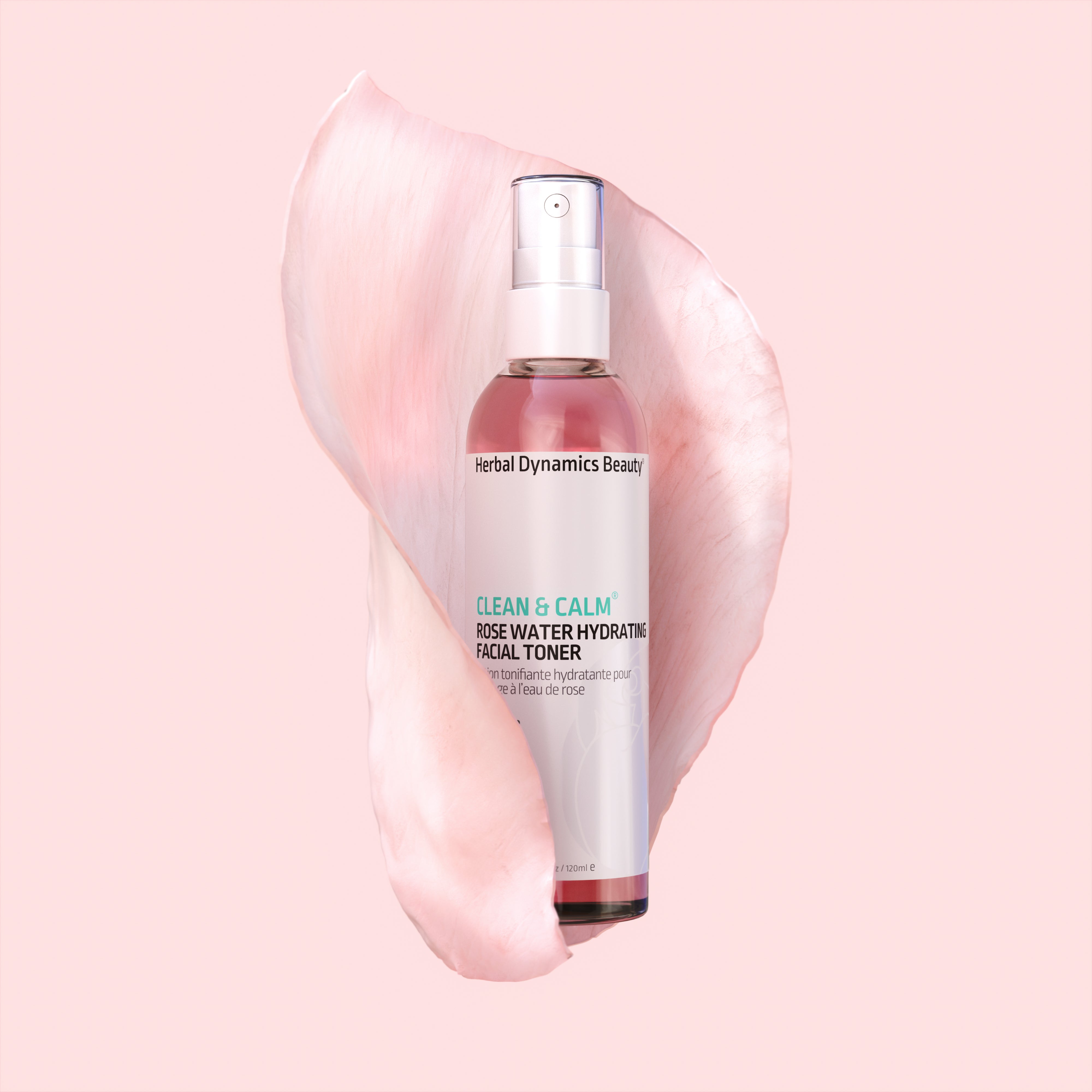
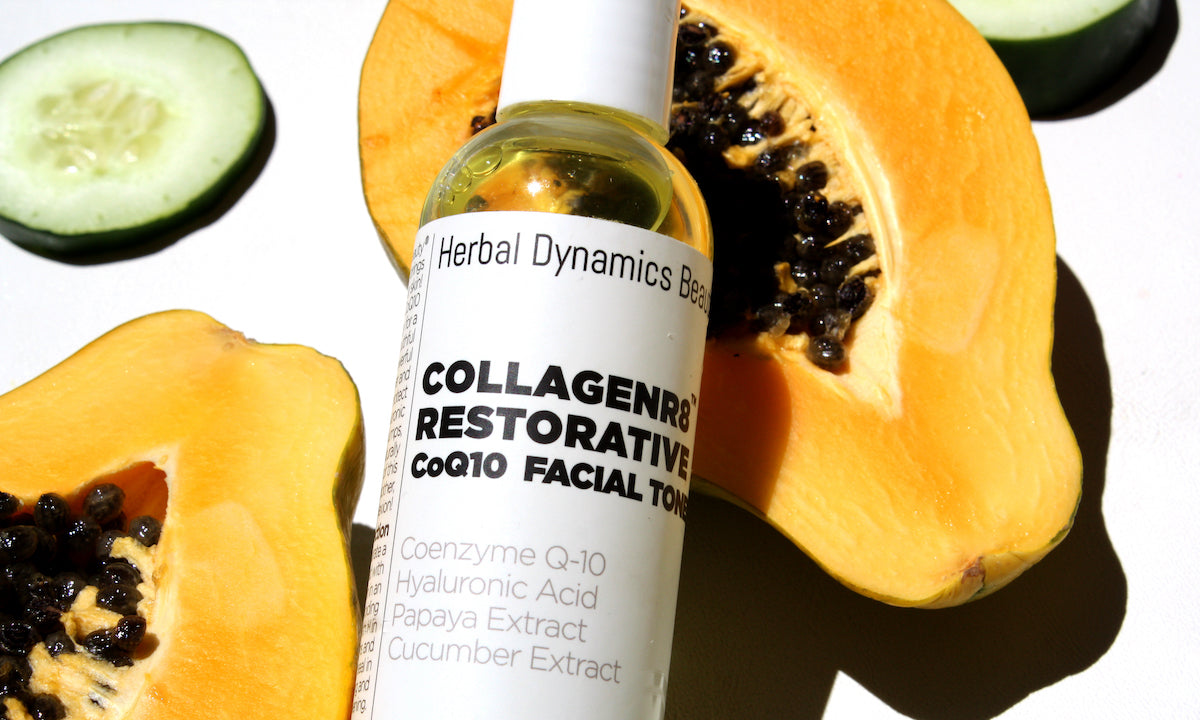
CollagenR8® Restorative CoQ10 Facial Toner is an available facial toner containing Ubiquinone, hyaluronic acid and aloe, along with botanical extracts and other ingredients. It can serve as an optional hydrating and skin-conditioning step when the formula suits your skin.
The toner is not a peptide serum or sunscreen. We do not claim that this finished product has been shown to rebuild dermal collagen. People sensitive to botanical ingredients should review the full ingredient list and test the formula cautiously.
Before adding a bottle, use How to Choose the Best CoQ10 Skincare Product for Your Skin. Compare the formula's role, evidence and tolerance with what your routine already provides.
You do not need a toner if your cleanser-and-moisturizer routine already feels comfortable. See the mature-skin routine for how to prioritize the essentials.
The CoQ10 application guide covers format, frequency and morning versus evening use. The facial sunscreen guide covers the separate protection step.
Many routines can include more than one ingredient class, but the finished formulas and tolerance decide. Retinol does not automatically increase CoQ10 absorption, and there is no need to combine strong actives to make the toner “work.” Introduce one new product at a time and follow any peptide or retinoid manufacturer restrictions.
Use the CoQ10 ingredient-pairing guide for vitamin C, vitamin E, hyaluronic acid, niacinamide, peptides, retinoids and green tea. It focuses on finished-product directions and whether each step serves a purpose.
Any cosmetic can irritate or cause allergy. Stop for persistent burning, itching, rash or swelling. Do not use a toner to treat an open wound, active skin disease or a post-procedure complication.
Oral CoQ10 supplements have different exposure and interaction considerations; topical skincare research is not a reason to start a supplement. Ask a clinician about supplements if you take medicines or have a medical condition.
For formula selection when sensitivity or breakouts are a concern, read CoQ10 for sensitive, oily and acne-prone skin. A featured antioxidant cannot establish universal tolerance.
A toner, serum and cream can use CoQ10 in different vehicles. For a bottle-level decision, read CoQ10 toner benefits and the current formula; for routine priorities, see choosing toner for mature skin. The facial-toner overview explains when this optional step is useful.
CoQ10 toner versus serum versus moisturizer explains what delivery research can tell you about format. Packaging, storage and shelf life covers caring for the bottle. If you mainly need a cream, the antioxidant moisturizer guide keeps the moisturizing base at the center of the decision.
The mature-skin guide explains the concern; the selection guide places optional antioxidant care alongside moisturizer and sun protection.
Ferulic Acid versus CoQ10 compares identities, topical studies and a direct animal UV-model comparison without declaring a universal winner. The Ferulic pillar covers that ingredient’s complete evidence and formulation context.
For a pollution-focused claim, anti-pollution claim evaluation asks what exposure, formula and endpoint were tested. An antioxidant list alone does not prove environmental protection.
General cosmetic education; not a diagnosis or individualized treatment plan. A qualified clinician can assess persistent skin changes and prescription or procedure options.
By Herbal Dynamics Beauty • Updated September 30, 2026
Fit optional CoQ10 skincare into the morning order. Keep product-specific and prescription instructions first; an additional cosmetic step is optional.