Your Cart is Empty


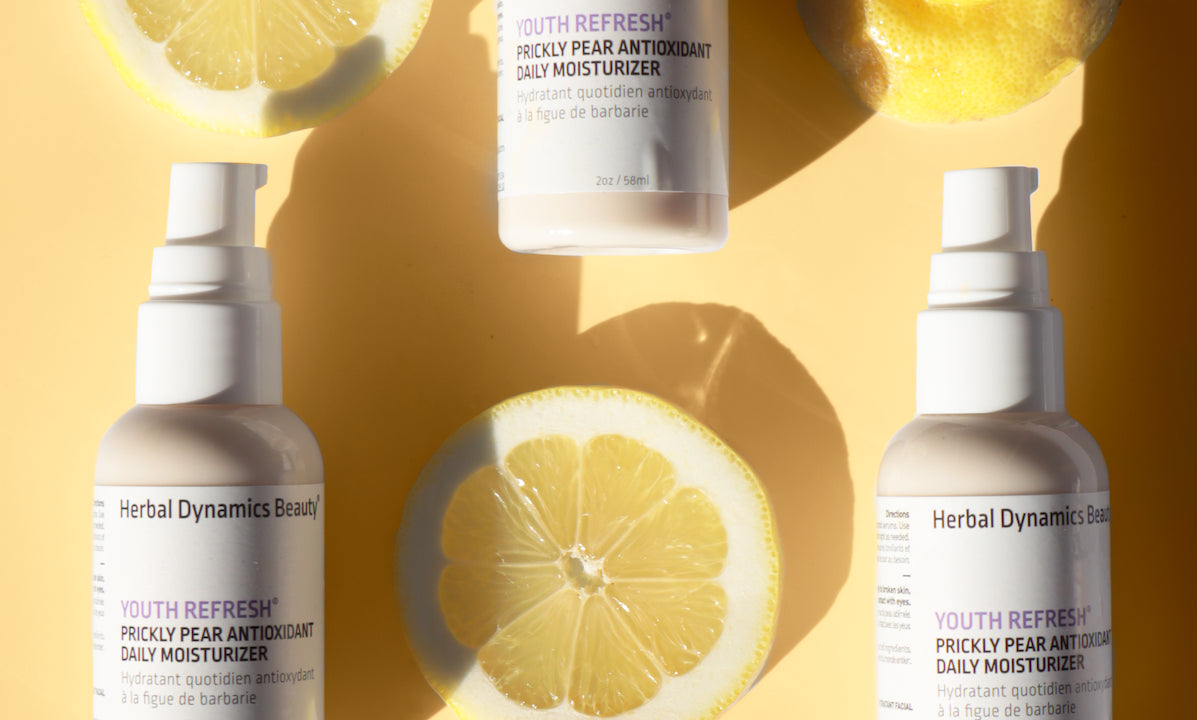
A face moisturizer helps the outer skin stay hydrated, soft and comfortable. A useful formula combines water-binding ingredients with ingredients that smooth the surface and limit moisture loss. Choose by how your skin feels, the texture you can wear comfortably and any ingredient you need to avoid—not by price or the longest list of actives.
“Face cream” is one kind of moisturizer. Lotions, gels and ointments can also moisturize. A night cream is generally a moisturizer intended for evening use; the name alone does not prove stronger results. This guide explains the choices. For specific buying options, use Best Face Moisturizers for Different Skin Types.
Moisturization can make roughness and dryness-related fine lines less noticeable by improving the surface's hydration and feel. That is different from permanently rebuilding collagen, lifting loose tissue or treating every cause of an itchy face. Persistent cracking, pain, a spreading rash or unexplained peeling needs assessment.
| Ingredient role | Common examples | Useful question |
|---|---|---|
| Humectant | Glycerin, sodium hyaluronate, sodium PCA | Does this formula give enough water-binding support? |
| Emollient | Squalane, fatty alcohols, suitable oils and esters | Does it make the rough areas comfortable? |
| Occlusive | Petrolatum, dimethicone and some waxes | Does it reduce the need to keep reapplying? |
These roles overlap and work together. Read the detailed humectant, emollient and occlusive comparison instead of buying a separate product for each role. Water and properly selected preservatives are useful parts of many formulas, not signs of low quality.
| Your skin | Starting decision | Detailed guide |
|---|---|---|
| Dry or flaky | Consider a richer cream and gentler washing | Dry-skin moisturizer choices |
| Oily | Choose a comfortable light finish; avoid stripping the face | Oily-skin moisturizer choices |
| Combination | Adjust the amount or richness by area | Combination-skin moisturizer choices |
| Sensitive | Review the whole formula and your known triggers | Sensitive-skin moisturizer guide |
| Acne-prone | Look for acne-friendly labeling and a compatible treatment routine | Acne-prone skin moisturizer guide |
| Mature | Prioritize comfort, then a specific optional cosmetic goal | Mature-skin moisturizer choices |
Skin type does not tell the whole story. Weather, cleansing and treatments can change what feels comfortable. For ongoing dryness, use the dry facial skin routine. If you are unsure whether dryness and dehydration describe the same problem, start with the existing comparison.
A gel often feels light; a lotion usually spreads easily; a cream often feels richer. The names overlap, and appearance does not establish pore-clogging risk or how long hydration will last. Compare gel, lotion and cream moisturizers by finished-formula performance. A product that pills under your sunscreen may simply be a poor match for that layering combination.
Apply a comfortable layer after washing; slightly damp skin can be a useful starting point when the directions allow it. A water-based hydrating serum usually goes before moisturizer. Sunscreen is a separate daytime protection decision: use a broad-spectrum SPF 30 or higher product as directed, with shade and clothing. Do not dilute sunscreen by mixing it with cream.
The moisturizer application guide covers amount, frequency, damp skin and layering with treatments. If your usual cream remains comfortable in the evening, you may not need a second jar. See day cream versus night cream and the nighttime moisturizing routine.
Read ingredient evidence for glycerin, squalane, shea butter and prickly pear seed oil. Choose ceramide moisturizers through the established barrier guide. More ingredients do not automatically mean better moisturization.
For product-format decisions, compare squalane oil and a squalane moisturizer and facial oil and moisturizer. An overnight mask is optional; it is not automatically stronger than a cream. For a radiance-focused formula, use the antioxidant moisturizer guide.
If skin feels dry again quickly, review cleansing, the amount applied and whether the product has enough emollient and occlusive support. Repeatedly layering serum may not solve that problem. Tightness after moisturizing and stinging after skincare have different troubleshooting paths.
For shopping, the main moisturizer comparison links to skin-type options and night-cream choices. Change one product at a time so you can judge the result.
Pair your moisturizer with a cleanser suited to your skin type. The cleanser overview explains texture, removal and tolerance.
If you are considering an occasional sleeping product, compare overnight masks and where a mask fits with moisturizer. An extra layer is not mandatory.
By Herbal Dynamics Beauty · Updated September 21, 2026.