Your Cart is Empty


To exfoliate your face, choose one method that fits your goal, use it as directed after gentle cleansing, and follow with moisturizer. Keep sun protection consistent. Exfoliation can smooth some surface roughness, but it is optional. Burning, a rash or existing peeling is a reason to pause, not remove more skin.
Exfoliation helps remove cells from the outermost skin layer. That layer also protects you: the aim is a comfortable, smoother surface, not stripping it away. Your skin naturally sheds cells without a separate exfoliant. Normal pores and fine texture do not mean that process has failed.
An appropriate product may improve the look of surface roughness or dullness. Salicylic acid also has a role in labeled acne treatments. Exfoliation does not erase deep scars, permanently shrink pores or replace treatment for eczema, rosacea or persistent acne.
| Method | Examples | What determines tolerance |
|---|---|---|
| Chemical acids | AHA, BHA and PHA products | Acid identity, concentration, pH, vehicle, contact time and the rest of your routine |
| Enzymes | Papain- or bromelain-containing exfoliants | Finished-formula enzyme activity, exposure and potential irritation or allergy |
| Physical methods | Facial scrubs, brushes or textured cloths | Particle properties, pressure and repeated friction |
Enzymes also act chemically; “chemical versus enzyme” usually means acid-based versus enzyme-based products. Natural particles are not automatically gentle. An acid is not automatically harsh, and a brush is not necessary for clean skin. Avoid combining several methods to make one session feel more effective.
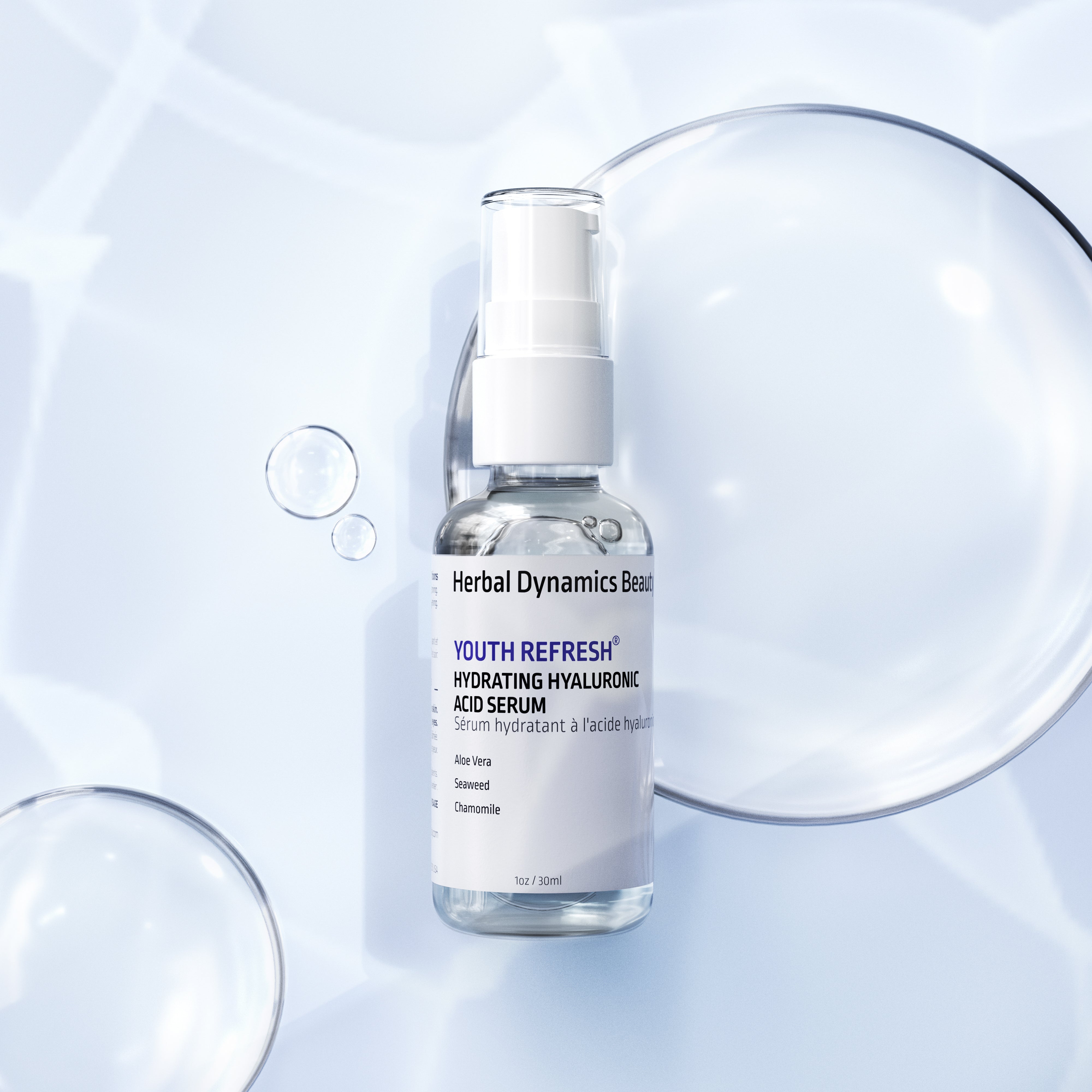
For hydration on comfortable skin, Youth Refresh® Hydrating Hyaluronic Acid Serum contains humectants including hyaluronic acid, glycerin and sodium PCA. It is an optional hydration step, not a substitute for an exfoliant or a complete moisturizer. See how to layer hyaluronic acid.
For one comparison of product options, use Best Facial Exfoliators for Different Skin Types. The ingredient name alone cannot determine the best finished formula.
There is no weekly quota or universal daily schedule. The label, method, skin response and other treatments all matter. Do not use lack of tingling as a reason to increase. If an acne medicine has its own directions, keep those separate from an optional cosmetic-exfoliation plan. The frequency and masking guide explains cumulative irritation.
Follow the label. Evening use may make a routine easier to organize, but it does not eliminate AHA sun sensitivity the next day. There is no universal waiting period that makes every combination safe. Check acids with retinol, vitamin C or niacinamide before stacking active products.
Stop optional exfoliating steps and return to comfortable basic care. New bumps accompanied by burning or a rash should not be dismissed as purging. The over-exfoliation guide covers recovery and when to seek help; the barrier-care routine keeps the next steps simple.
Seek prompt medical advice for severe pain, blistering, substantial swelling or eye involvement. The FDA warns against unsupervised high-strength chemical-peel products because of burn and scarring risks. Professional peel protocols are not home-routine instructions.
Complete gentle cleansing before an exfoliating step, following the exfoliant label. See cleansing and exfoliation order and signs that washing and actives have become too much.
Masks can already contain exfoliating ingredients. Use mask application and removal alongside the combined frequency guide; exfoliating before a mask is not mandatory.
By Herbal Dynamics Beauty • Updated September 20, 2026. General skincare education; persistent, painful or worsening symptoms need professional assessment.