FREE SHIPPING on US orders over $45. Save 25% With Code TAKE25 at checkout.

Your Cart is Empty

Glass Skin Routine: What Is It and How Do You Do It?

September 08, 2021

Glass Skin Routine: What Is It and How Do You Do It?

You’ve seen it on social media, read about it in magazines, and seen advertisements for products claiming to help you achieve it… we’re talking about one of 2021’s biggest skincare trends: Glass skin.

Korean beauty products and trends have taken the skincare industry by storm in recent years, which has led to the rising popularity of ‘glass skin.’ As opposed to a satin, matte finish, glass skin is all about embracing the dewy look to its fullest.

So what exactly is glass skin, and how do you achieve it? Keep reading to learn all about this buzzworthy skincare trend. 

What is Glass Skin? 

The term ‘glass skin’ is as simple as it sounds—making your skin appear as shiny and smooth as glass. This means skin that’s hydrated, poreless, even-toned, and luminous. Glass skin is almost transparent-looking, and gives off a youthful, lit-from-within glow. Think about it as the ‘dewy skin’ trend, but taken to the next level.

Glass skin originated in Korea, the mecca of all things skincare and creator of the famous 10-step skincare routine. It first became popular in the United States thanks to makeup artist Ellie Choi’s viral skincare routine—and since, bloggers, brands and skincare enthusiasts around the country have adopted the term.

How to Get Glass Skin

Now, to answer one of the most commonly asked questions: “How do I achieve glass skin?”

There’s unfortunately not just one product that can provide you with the coveted glass skin look. Instead, glass skin requires caring for your skin from the inside out, which means following a great skincare routine.

It’s important to note that skincare is unique for everyone—the products that work for you might not suit someone else. However, there are universal steps that can be followed to keep your skin looking and feeling its best. 

A Step-by-Step Glass Skin Routine

The key to achieving glass skin is keeping your skin hydrated and smooth. Follow along as we walk you through a 9-step glass skin routine.

Step 1: Assess product-removal needs

Remove persistent makeup or sunscreen with an appropriate product when your regular wash is insufficient. An emulsifying oil, balm or suitable remover may help; it is not an obligatory morning step. See oil-based versus water-based cleansing.

Step 2: Cleanse comfortably

Use a comfortable rinse-off wash as directed. Add it after a remover when that step is useful, rather than assuming every face needs two washes. Cleansing works at the surface and should not aim to penetrate deeply into skin.

Read when double cleansing helps and surfactant claims before choosing by foam or a sulfate-free label.

Step 3: Exfoliate

Exfoliation is optional, not essential for healthy skin. Skip it during irritation and avoid layering several exfoliating steps to pursue an unrealistic poreless appearance.

When it comes to exfoliating, you have several options:

  • Physical exfoliators use small particles like seeds, grains, or beads to manually loosen dead skin cells. This category also includes exfoliating brushes and clothes. 
  • Chemical exfoliators use enzymes and skin acids to loosen and remove dead skin cells. They often use ingredients like beta hydroxy acid (BHA) and alpha hydroxy acid (AHA).

If you have dry or sensitive skin, a chemical exfoliator may be a better option because it doesn’t involve any scrubbing. Oily skin types, on the other hand, may benefit from physical exfoliation. It all comes down to your personal preference!  

Step 4: Toner 

Toners serve a variety of different purposes, depending on the ingredients they include. If you’re looking to achieve the glass skin look, you’ll want to choose one that’s designed to hydrate the skin.

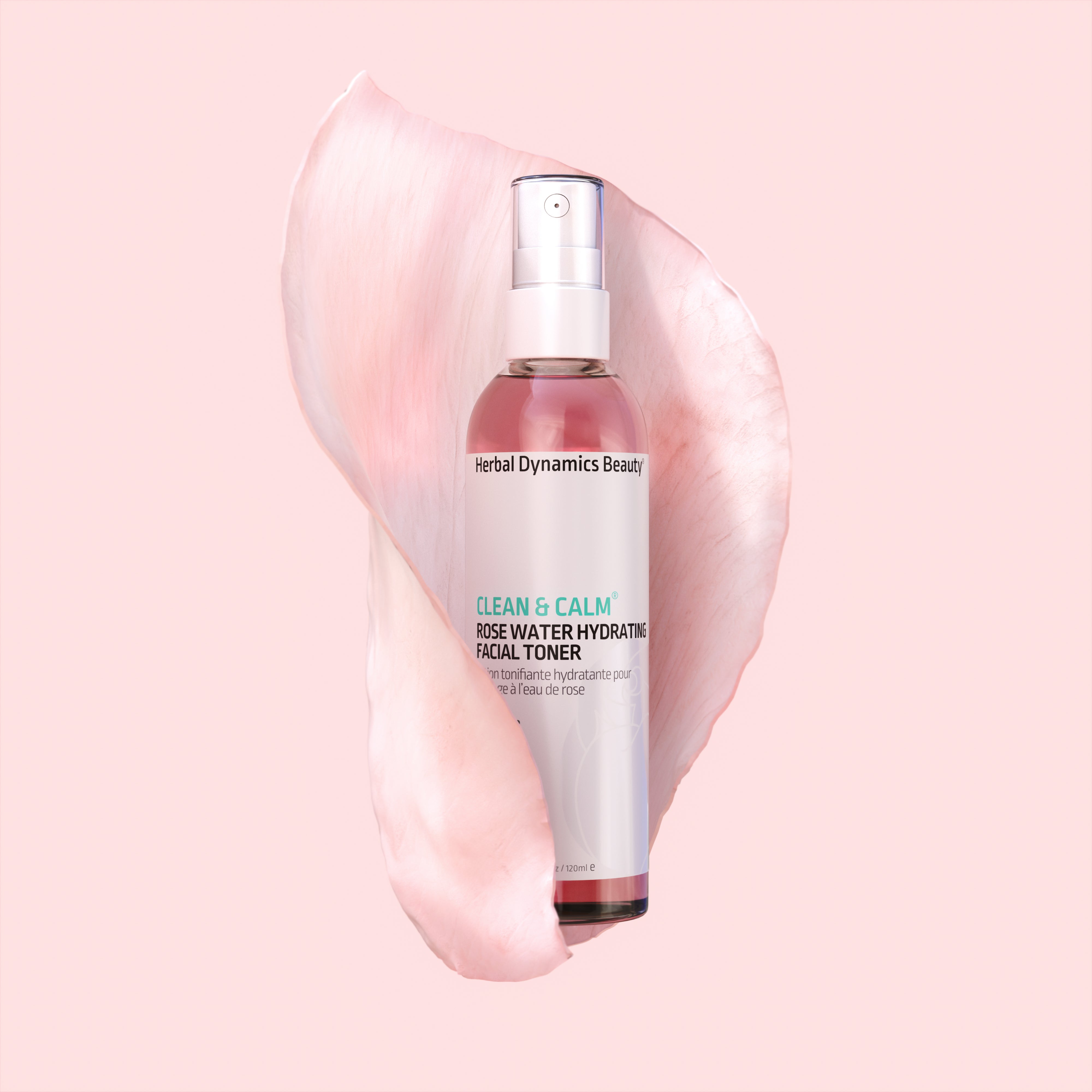
Choose an optional hydrating toner by its complete formula and tolerance. Rose water is not automatically suitable for every face, and the Herbal Dynamics Beauty rose-water toner is currently unavailable.

Step 5: Essence

Essences are often confused with toners, as they look and feel similar on the skin. Some brands even combine toners and essences into one product.

An essence may duplicate a hydrating toner or serum. Adding another bottle does not necessarily improve the result. Compare toner, essence and serum before using all three.

Use hands, a cotton pad or a mist applicator according to the product directions. No method guarantees complete absorption; avoid repeated rubbing.

Step 6: Serum

Serums are one of the most effective products you can incorporate into your skincare routine. They contain a high concentration of active ingredients, and because of their thin texture, they absorb right into the skin.

As with any product, different serums are designed to provide different benefits. Some of the best ingredients you can use if you’re going for the glass skin look are hyaluronic acid and vitamin C.

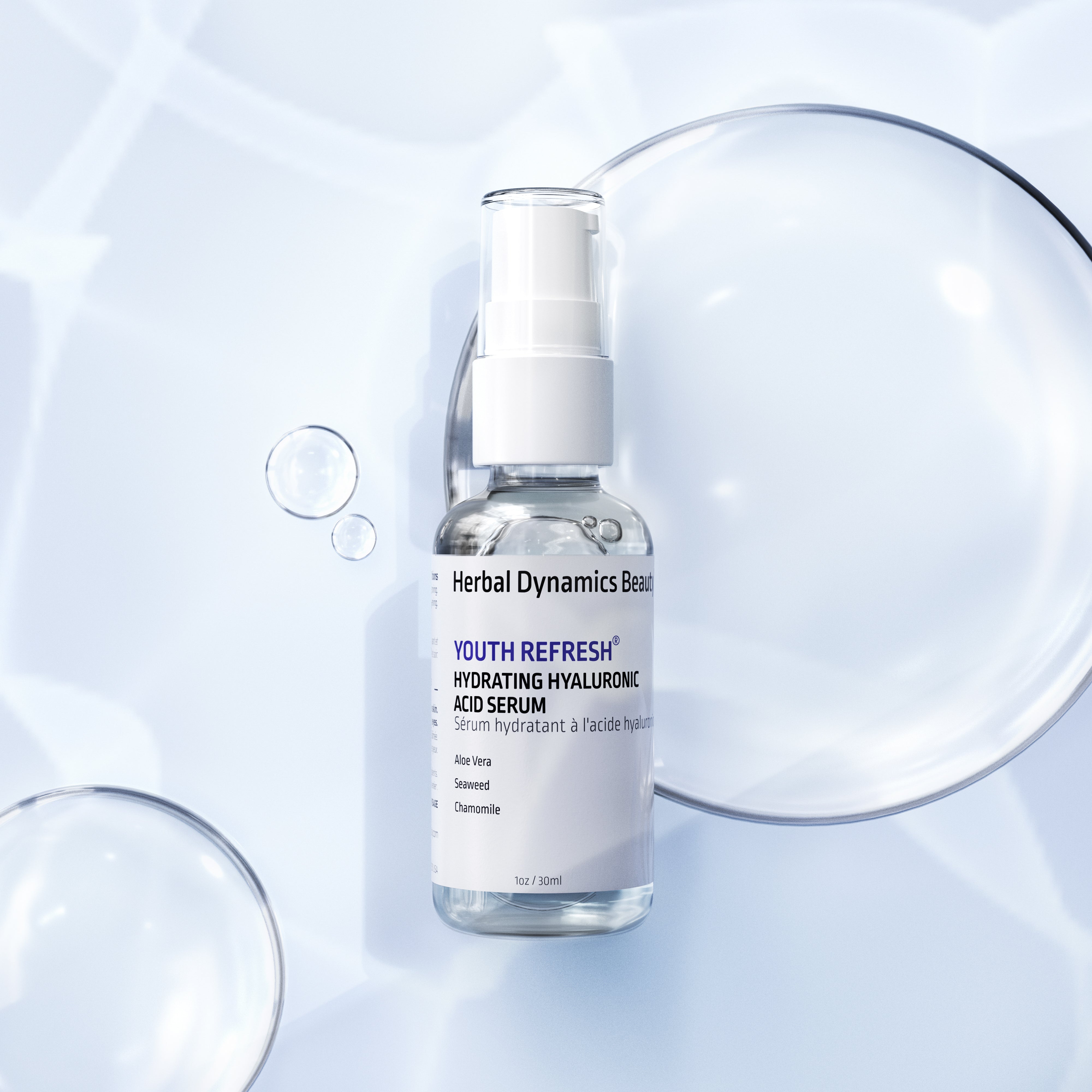
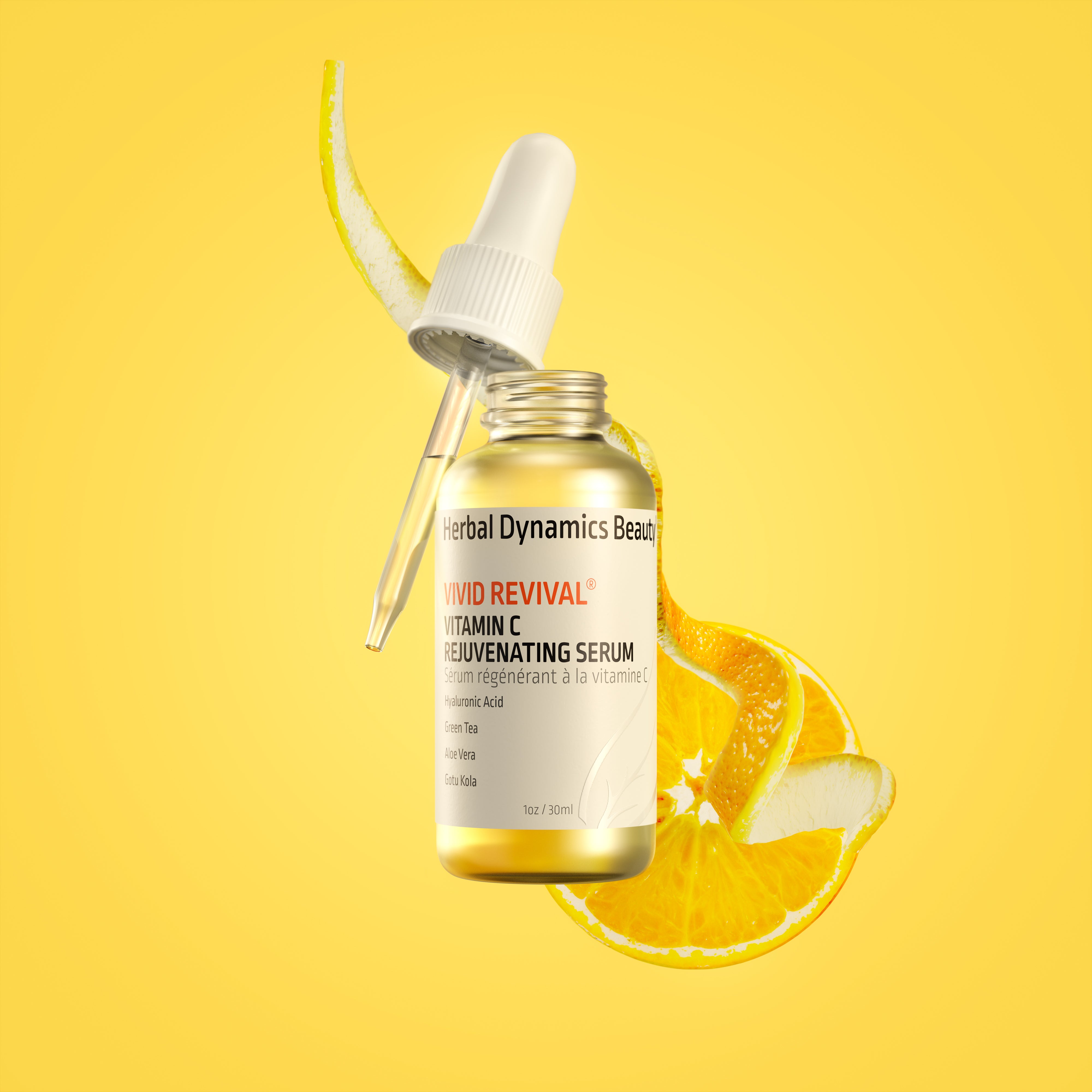
Hyaluronic acid will help to hydrate the skin, giving it a plump, dewy look. It’s designed to be applied to damp skin and works to really lock in moisture. Vitamin C, on the other hand, is known for its ability to brighten the skin—giving it an overall radiant look.

These two ingredients can be applied together or separately. For example, you may decide to use a hyaluronic acid serum at night, and a vitamin C serum in the morning to ensure your skin reaps the benefits of both. 

Step 7: Eye Cream

Once your serum has fully absorbed, it’s time to move on to eye cream.

Eye care is critical, yet is a forgotten step for many. The skin around your eyes is much more delicate than the skin on the rest of your face, so it’s important to use products specifically formulated for this area. Plus, the eyes are one of the first areas we start to notice signs of aging—so giving them extra attention is essential for maintaining a youthful appearance.

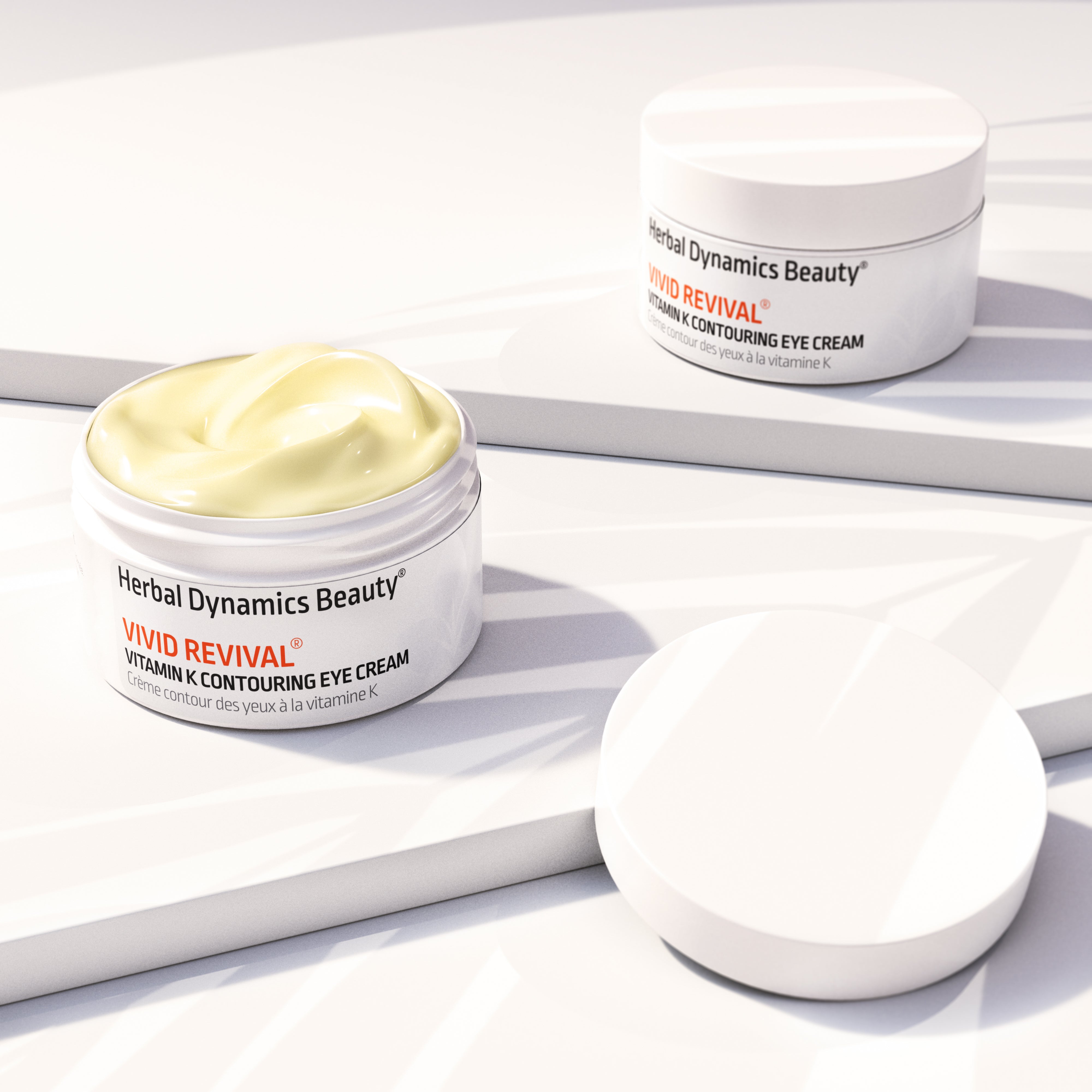
There are many different eye creams on the market to choose from, such as cooling, brightening, firming, or contouring creams. It all comes down to your specific goals. For example, if your main concern is aging, you may want to choose a firming or contouring product. 

Step 8: Moisturizer

If you had to choose just one product from this entire list, you would want to choose moisturizer.  Face moisturizers not only hydrate the skin, but they also provide a layer of protection from environmental factors.

A comfortable moisturizer can give skin a softer finish without pursuing a poreless appearance. Compare moisturizers by skin type and choose for your actual dryness and tolerance.

Tip: When doing your skincare routine in the morning, you’ll want to ensure you use a moisturizer with SPF or layer on a separate sunscreen after this step to keep your skin protected from the sun. 

Step 9: Facial Oil

For a finishing touch, pat a few drops of a facial oil into your skin. Not only will this help to nourish the skin and lock in moisture, but it will add a beautiful sheen—which is key if you want to achieve glass skin.

Squalane is a fantastic choice if you’re looking for a lightweight oil to use. If you’re looking for something even more hydrating and dewy, consider argan oil or rosehip seed oil. Once you’ve completed this step, you’ll have a glow that’s out of this world! 

How to Do a Glass Skin Facial 

Glass skin is all about taking good care of your complexion. In addition to following a regular skincare regimen, it’s important to give your skin some extra TLC from time to time.

A home facial or mask is optional. Follow the particular product’s directions and avoid adding multiple treatments simply to create shine. See the home-facial guide.

An overnight moisturizing mask can be an optional final step if its directions and texture fit. It is not proof of overnight skin repair. Compare sleeping-mask choices and keep a familiar routine before an event.

When all is said and done, the glass skin trend is really all about embracing healthy skin. Once you find a routine that works for you, stick to it. You’ll start to notice results in time!

Cleansing in this routine

See the facial-cleanser guide for cleanser formats and selection.

Face masks in this routine

Use the face-mask guide to compare formats and the application guide for product-specific timing and removal.