Your Cart is Empty


Eye cream mainly moisturizes the skin around the eyes. Depending on the complete formula, it may also soften the appearance of fine lines or help some temporary puffiness and uneven-looking tone. Choose it for the concern you actually have: a cream cannot remove a structural eye bag, fill a deep hollow or treat an eye condition.
You do not automatically need a separate eye cream. A facial moisturizer may meet your hydration needs if its label permits use near the eyes and it stays comfortable there. A dedicated eye product becomes useful when you want a different texture or an ingredient combination specifically formulated for this area.
| Concern | Useful cosmetic goal | Limit to keep in mind |
|---|---|---|
| Dryness and tightness | Improve moisture and comfort | An itchy, scaly eyelid may need assessment for dermatitis. |
| Fine lines | Soften dry surface lines; consider an eye-area retinoid for photoaged texture | Expression lines and deeper creases may remain. |
| Morning puffiness | A temporarily refreshed appearance | Fluid-related swelling differs from persistent anatomical bags. |
| Dark circles | Choose care by the cause of the color or shadow | No ingredient reliably addresses every cause. |
Use the eye-cream buying guide for ingredient and formulation criteria. If color is your main concern, start with the separate dark-circle causes guide.
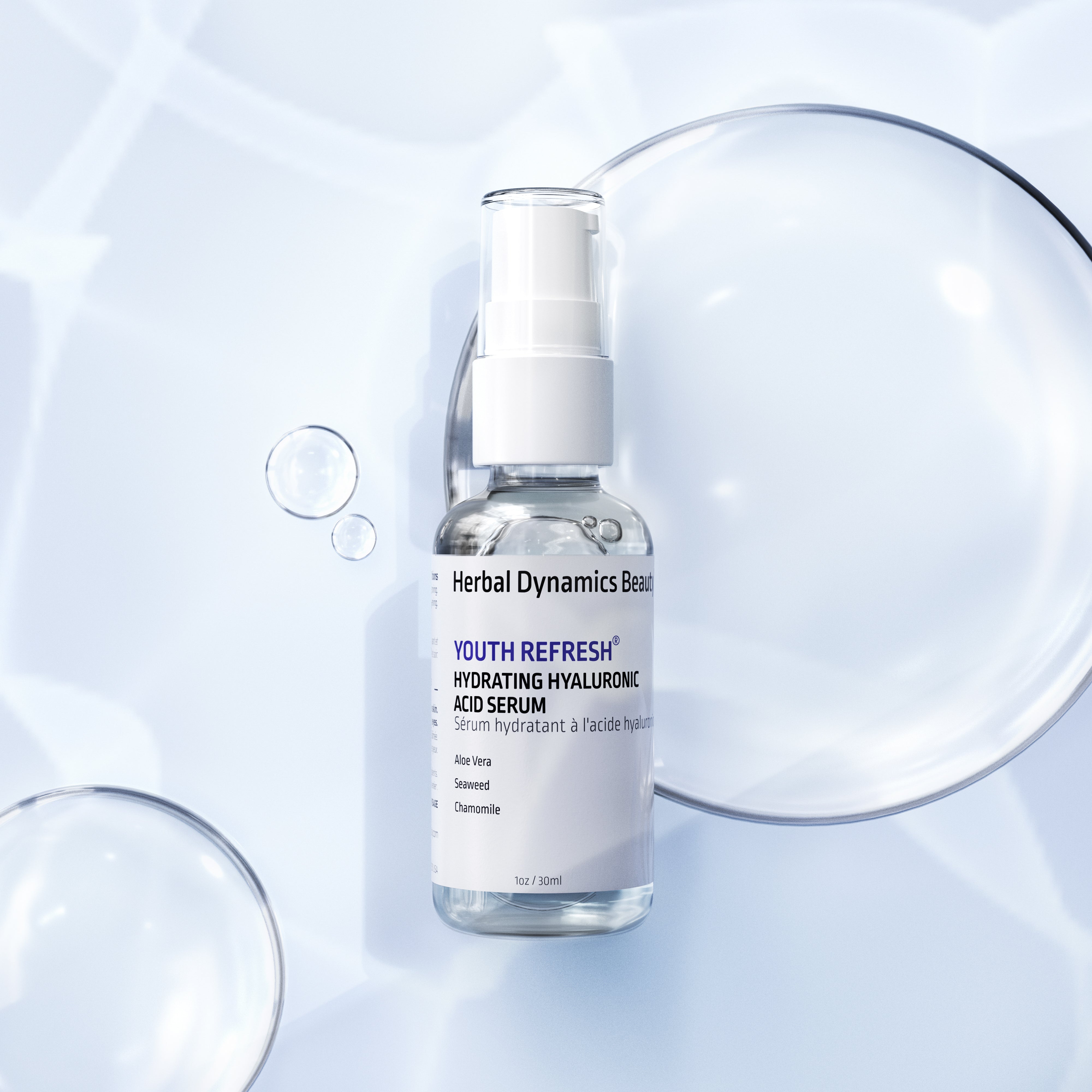
Glycerin and hyaluronic acid help hold water in the outer skin. Emollients soften the surface, while ingredients such as dimethicone and barrier lipids can help a moisturizer reduce moisture loss. The combination matters more than finding one fashionable ingredient. Read about hyaluronic acid around the eyes and hydrating eye creams.
Hydration can make dry texture look smoother without changing the underlying anatomy. Retinoids have clinical evidence for photoaged skin, but eye-area suitability and tolerability depend on the product. Peptide research is promising for some formulations, with smaller studies and variable results. Neither category is a substitute for daily sun protection.
Compare Vitamin K and retinol, peptides for under-eye lines and eye creams for fine lines.
Caffeine appears in many eye products, but its presence does not guarantee de-puffing. One controlled study found a caffeine gel did not outperform its caffeine-free base. Cooling and the vehicle can contribute to the visible effect. Our Vitamin K versus caffeine guide explains the difference.
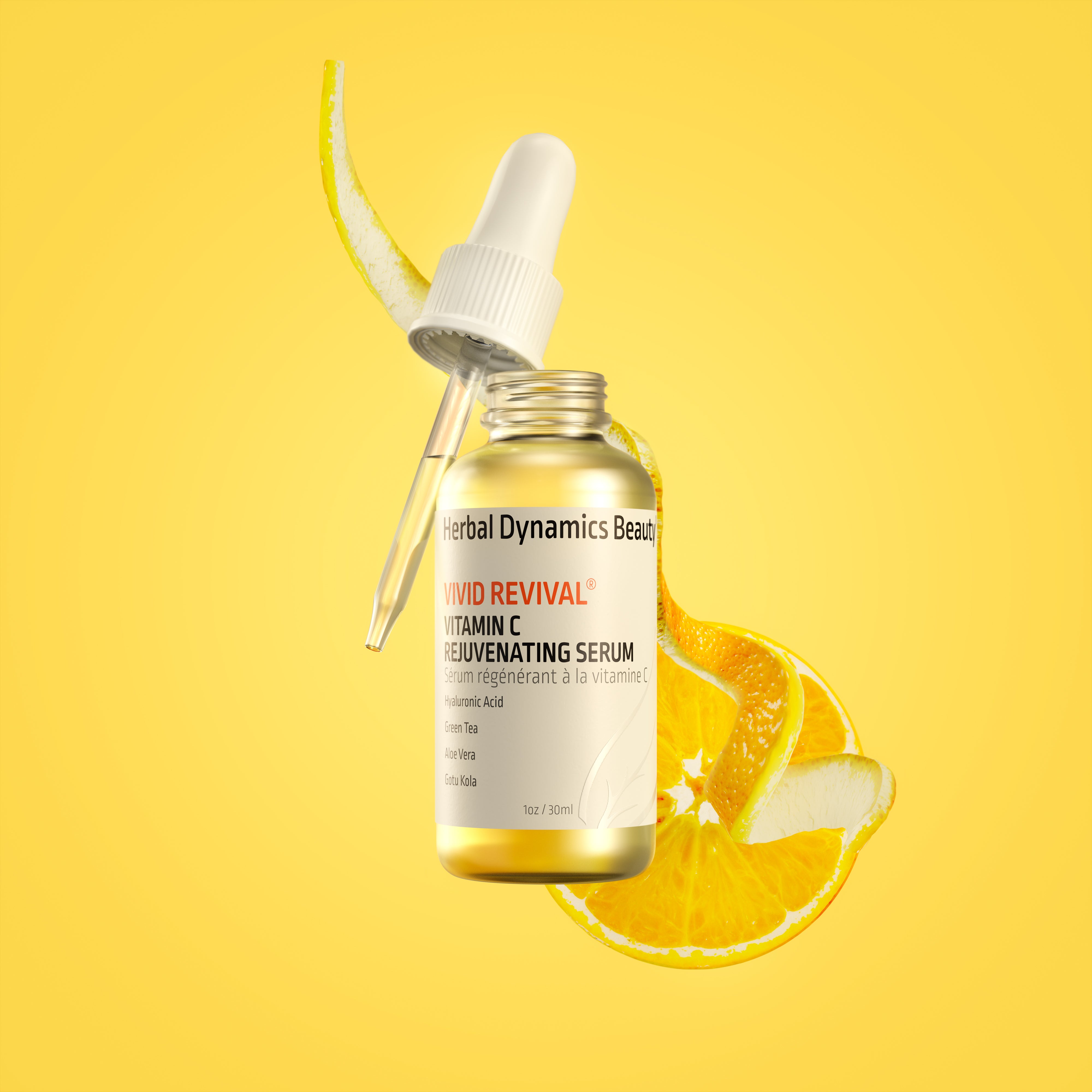
Vitamin K eye-area research is preliminary and largely tests combination formulas. Green tea offers a different ingredient rationale, based mostly on broader antioxidant research. An ingredient’s role inside the body does not establish that a cosmetic repairs blood vessels. Use the Vitamin K evidence guide, green tea eye-area guide and Vitamin C eye-area guide for the limitations.
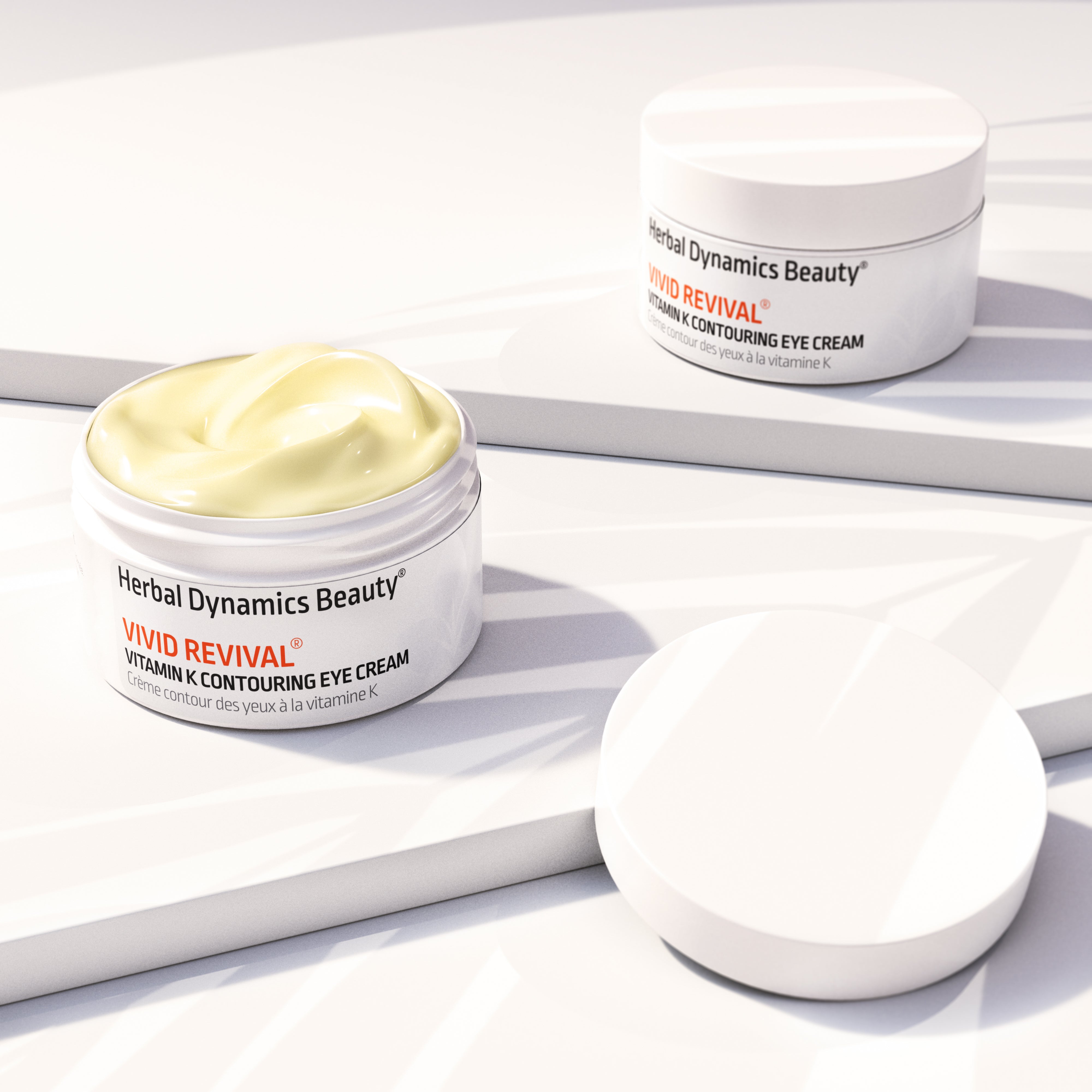
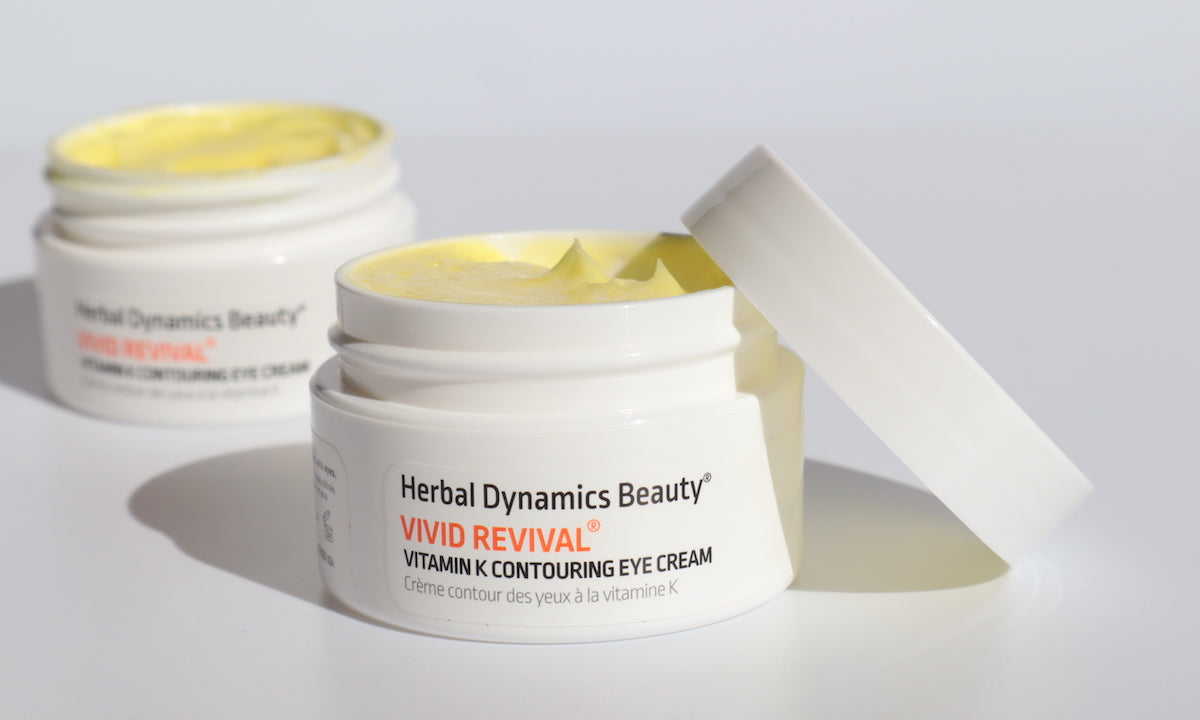
Herbal Dynamics Beauty makes and sells Vivid Revival® Vitamin K Contouring Eye Cream. Its formula combines hyaluronic acid, glycerin, emollient oils, green tea and phytomenadione, with retinyl palmitate and other ingredients. It is an option for moisturizing under-eye care when you tolerate the complete formula. It is not a standalone caffeine treatment or a product proven to remove structural bags.
The product directions call for gently patting a small amount around the eyes after cleansing and toning, morning and night. Toner is optional in the wider routine. See how to introduce Vitamin K eye cream for ingredient and tolerance considerations.
Apply the label amount with clean hands, use gentle pressure and keep the product out of the eye. Follow the formula’s directions for order and placement. Sunscreen goes after skincare in the morning. A second moisturizer may be unnecessary if your eye cream already provides enough moisture.
Burning, itching or swelling is a reason to stop and reassess. Eye cream does not need to sting to work, and more frequent application does not establish better results.
| Start here | Guides |
|---|---|
| Puffiness and bags | Safe puffiness care · Choosing eye cream for bags |
| Lines and dryness | Fine lines and crow’s feet · Dry under-eye care · Mature under-eye skin |
| Application | Amount, order and placement · Morning and evening routine · When to assess results |
| Troubleshooting | Stinging and irritation · Milia and eye creams |
Controlled studies of specific hyaluronic acid and retinol formulas support improvements in selected skin measurements. Small peptide studies and uncontrolled Vitamin K combination studies offer more limited evidence. These are reasons to choose a plausible goal, not promises that every eye cream produces a clinical result.
Place optional eye care in the full-face routine. Keep product-specific and prescription instructions first; an additional cosmetic step is optional.