Your Cart is Empty


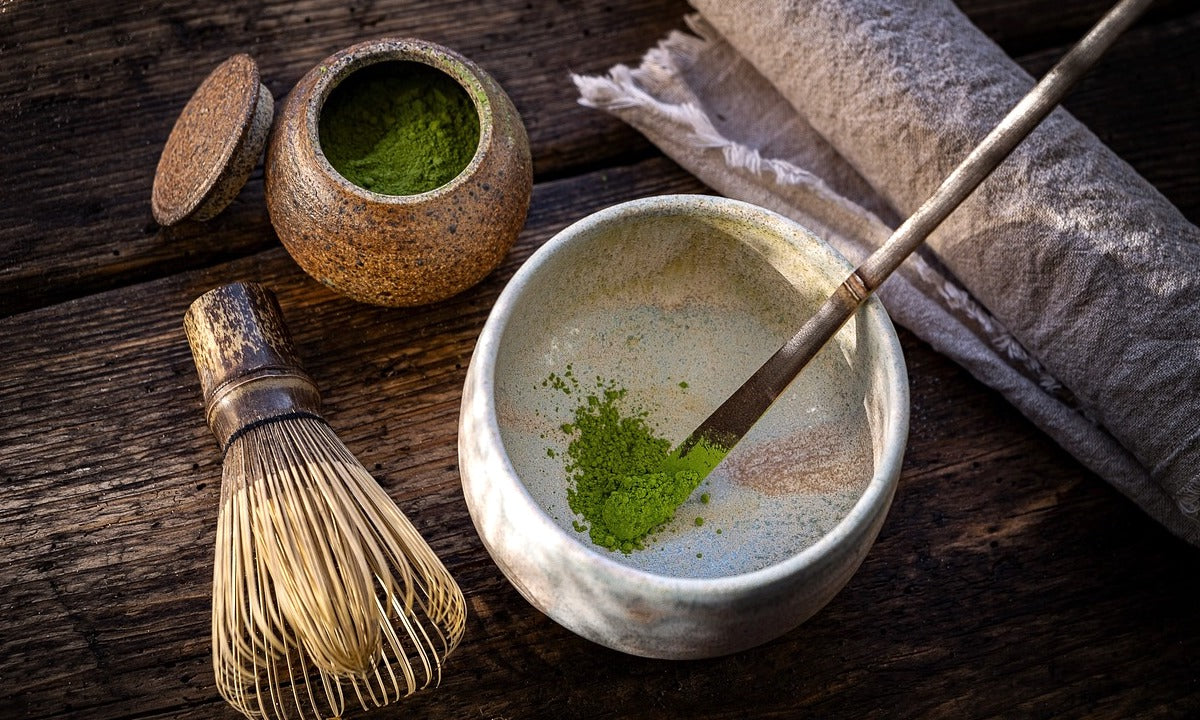
Quick answer: Matcha contains green-tea catechins, but research on standardized green-tea extracts or isolated polyphenols does not automatically prove that culinary matcha powder delivers the same result on skin. Topical evidence is promising for selected formulas, yet it remains product- and concern-specific.
Green-tea polyphenols have been studied for antioxidant and ultraviolet-response pathways, and a systematic review found some evidence for topical green-tea extract in acne. Studies vary in concentration, vehicle, duration, and outcome. They do not establish matcha as a substitute for sunscreen or acne medication.
Claims that matcha detoxifies skin, erases wrinkles, cures acne, or blocks ultraviolet radiation are not supported. “High in antioxidants” as a food description does not reveal stability, skin delivery, or clinical effect after topical application.
Kitchen powder is not formulated or preserved as a leave-on cosmetic. It can be abrasive, messy, contaminated after mixing, or irritating—especially when combined with lemon juice, vinegar, or essential oils. A professionally formulated product with a disclosed ingredient list and directions is the safer way to try green-tea-derived ingredients.
Patch-test a new product and continue sunscreen. For the broader ingredient evidence, read Herbal Dynamics Beauty’s green tea skin guide.
A food description such as ceremonial grade does not specify a topical EGCG dose or a tested skin benefit. Look at the cosmetic's complete ingredient list and directions, then ask whether any evidence concerns the finished formula. EGCG is one catechin, while a tea powder and a prepared extract are different materials.
Use the extract and formulation guide to compare labels and the green tea selection guide to choose a useful routine step. There is no need to make a kitchen mask to include tea-derived ingredients in skincare.
This article is educational and does not diagnose or treat a medical condition. Stop using a product that causes persistent burning, itching, swelling, or a rash, and seek professional care for severe, sudden, or persistent symptoms.