
Your Cart is Empty


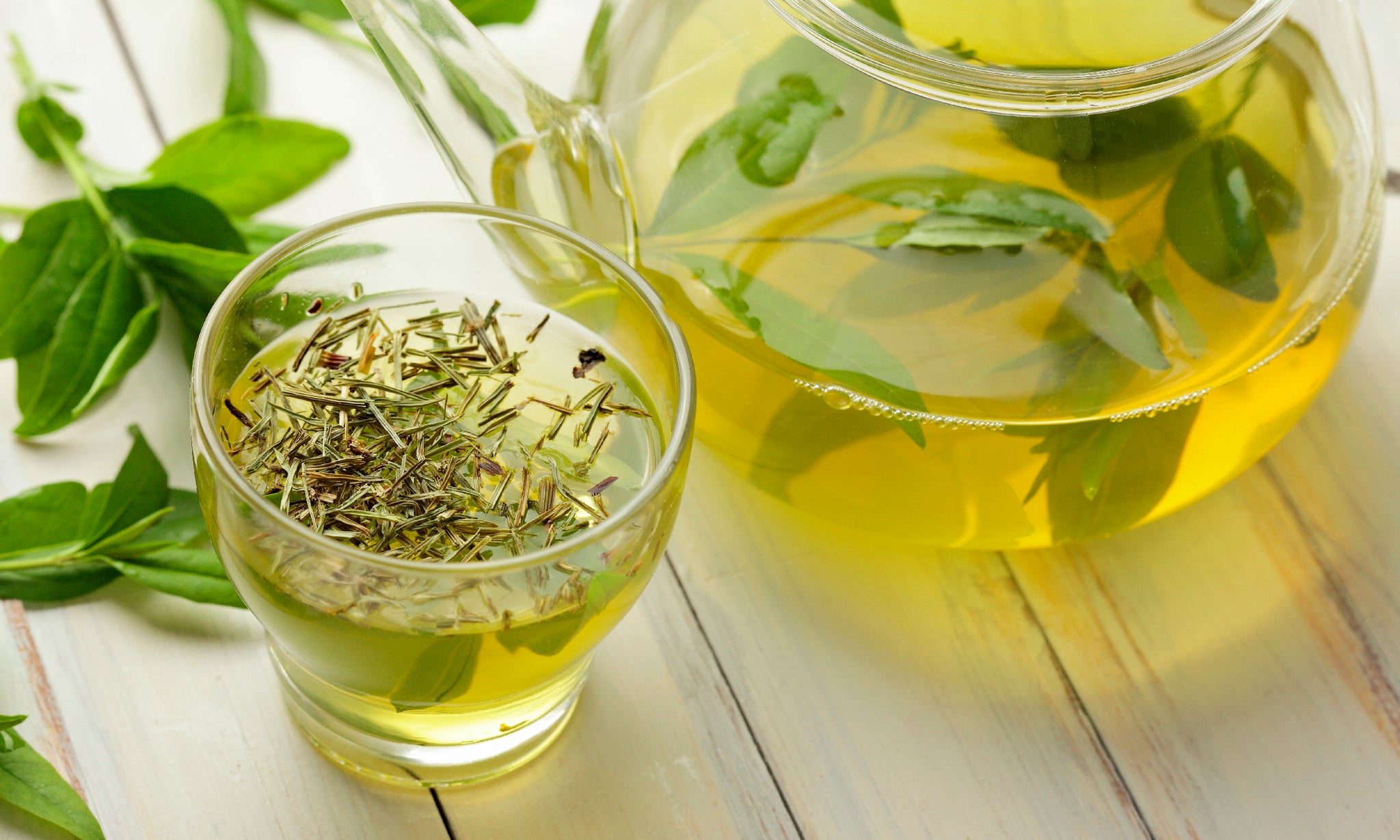
EGCG, or epigallocatechin gallate, is a catechin found in green tea and studied for antioxidant activity and skin-related mechanisms. It is one constituent of an extract, not a synonym for every green tea product. A promising laboratory result does not establish that an unspecified cosmetic delivers the same effect in people.
The green tea skin guide covers the full ingredient family. This article explains EGCG itself and how to read claims about it.
Polyphenols are a broad group of compounds; catechins are one subgroup. EGCG is one particular catechin. Green tea comes from Camellia sinensis and contains a mixture of constituents rather than a single purified active.
When a cosmetic lists Camellia Sinensis Leaf Extract, it does not necessarily disclose its EGCG concentration. Extraction and formulation can alter what is present and available. A separately identified EGCG preparation should not be treated as interchangeable with tea powder or brewed tea.
Investigators examine antioxidant reactions and signaling pathways related to inflammation and lipid production. These experiments help explain interest in the molecule. They may use cultured cells, skin models or specific human preparations, so the model needs to be named before a result becomes a cosmetic claim.
The green tea antioxidant guide distinguishes these mechanisms from visible environmental-stress and aging outcomes.
Topical EGCG has been investigated in a randomized human acne trial as well as laboratory work. That is more informative than an antioxidant assay alone, but it still concerns the tested preparation. It does not make every green tea cream an acne treatment.
Use the acne-specific evidence guide for the study details and the oily-skin guide for sebum measurements. Acne clearance and a less shiny finish are different outcomes.
Green tea research includes experimental UV-response studies, but an EGCG cosmetic is not a sunscreen or an established way to prevent skin cancer. Visible-aging claims also need human evidence for the actual preparation and outcome.
A combined oral-and-topical green tea trial did not find significant clinical-grading improvement. It should not be summarized as proof that any EGCG cream visibly reverses aging. Sensitive-skin suitability is another separate question; antioxidant activity does not guarantee comfort.
“Contains EGCG” leaves several questions open: how much, in what form, in which vehicle and with what stability data? A percentage of an extract solution is not automatically a percentage of isolated EGCG in the finished product.
Read the formulation guide before comparing numbers. Do not add capsule contents or culinary powder to a cosmetic to increase its strength.
Drinking tea, swallowing concentrated extracts and applying a cosmetic create different exposures. There is no universal supplemental EGCG dose that this skincare guide can declare safe. NCCIH notes medication interactions and reports of liver injury associated primarily with concentrated extract products.
Discuss supplements with a clinician or pharmacist rather than taking them to imitate a topical trial. The drinking-versus-topical guide explains the distinction without treating either route as a shortcut to clear or younger-looking skin.
Choose a useful finished formula with clear directions and an ingredient list you tolerate. The green tea selection guide connects those criteria to product formats. The application guide covers routine placement.
For acne, retain established routine and treatment decisions. For daytime exposure, maintain appropriate sunscreen and other sun-protection habits. Stop a cosmetic that causes persistent irritation.
Updated October 1, 2026. By Herbal Dynamics Beauty.






