Your Cart is Empty


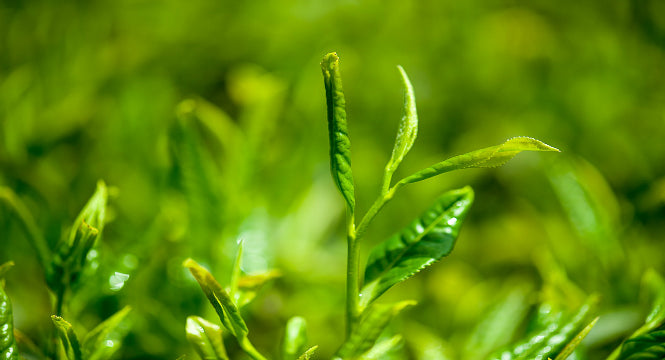
Green tea can be considered as an optional ingredient in a comfortable skincare formula, but “contains green tea” does not guarantee that a product will soothe redness or suit sensitive skin. The cause of redness and the rest of the formula matter more than a botanical label.
The green tea guide explains its antioxidant background. For reactive skin, the practical question is whether the finished product helps you maintain a routine without adding irritation.
Researchers study tea catechins in inflammatory and oxidative pathways. Some experiments also measure responses to a controlled ultraviolet exposure. These are not interchangeable with treating persistent facial redness, rosacea, eczema or contact dermatitis.
Redness after rubbing, stinging after a new acid and recurring facial flushing can have different causes. A single ingredient cannot identify those causes. The facial-redness guide can help you understand when professional assessment is more useful than another cosmetic.
In a 2005 placebo-controlled study of an oral-plus-topical green tea regimen for photoaged skin, clinical grading did not improve significantly and the active group reported more irritation. This does not mean every tea formula irritates; it does show why antioxidant interest is not a blanket promise of gentleness.
Research on selected preparations cannot predict your response to a different extract, fragrance, preservative system or combination of actives.
Alcohol names are not all equivalent, either. The alcohol ingredient guide explains the distinction, while sensitive-skin selection criteria cover the complete routine.
Follow the American Academy of Dermatology's guidance for testing a new skincare product on a small area before wider use. A home test is a screening step, not a diagnosis of allergy or a guarantee against a later reaction.
Add one product at a time while keeping familiar essentials consistent. Use the label's amount and intended area. Do not apply a facial serum to the eyelids simply because its highlighted ingredient sounds soothing.
If the skin is actively burning or reacting, simplify optional products first. The barrier-care routine explains why adding more antioxidant layers may be unhelpful during a flare.
It may fit if you already need a moisturizer or other step and tolerate the full formula. It is not a required treatment for sensitive skin, and there is no need to replace a comfortable routine just to include it.
Choose with the green tea product checklist. If your main decision concerns a multifunctional ingredient, the niacinamide comparison separates botanical research from barrier-focused evidence.
Stop a product that causes persistent burning, itching, swelling or a rash. Persistent redness, repeated flares or symptoms around the eyes deserve professional assessment. No cosmetic recommendation here is intended to diagnose or treat a skin disorder.
By Herbal Dynamics Beauty · October 1, 2026