Your Cart is Empty


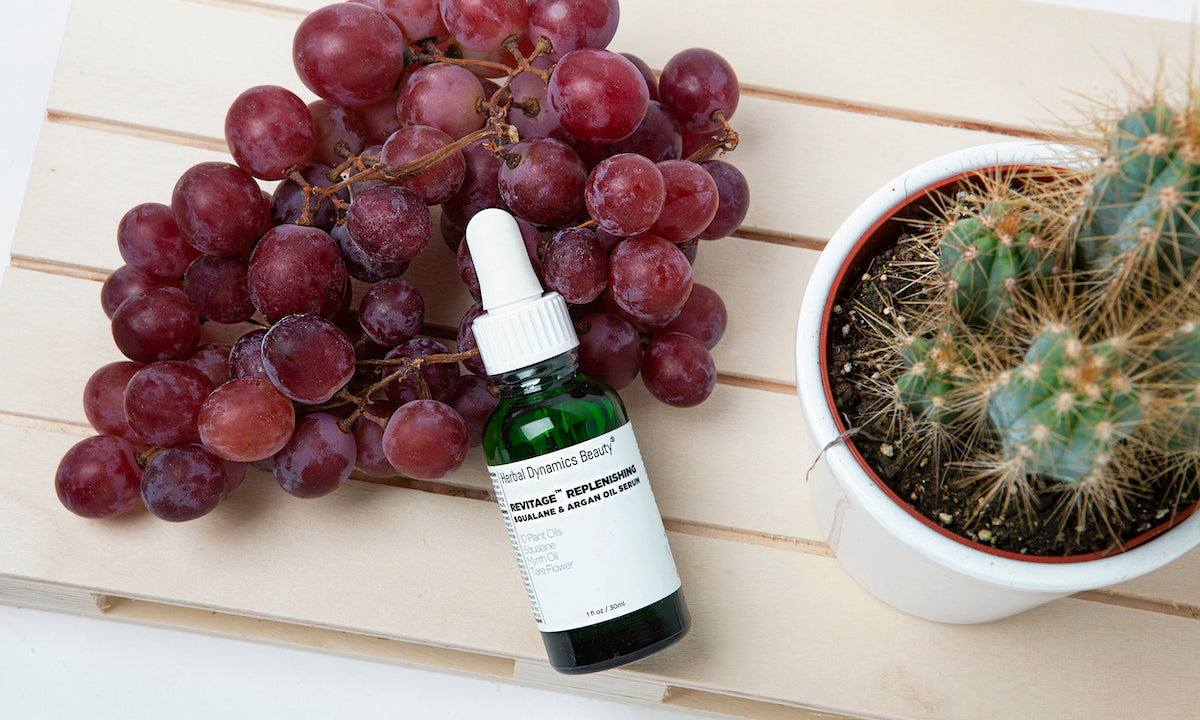
Plant oils can help soften dry skin in a suitable formula, but they are not reliable substitutes for sunscreen and cannot be assumed to reverse photoaging. Their fatty-acid composition, processing, stability and the complete product affect how they perform.
An oil can improve surface feel as an emollient and may help limit moisture loss. Some oils also contain antioxidant compounds. A laboratory antioxidant result does not establish SPF, prevention of skin cancer or restoration of dermal collagen in people.
The review of topical plant oils discusses varied findings across oils and research settings. It does not justify treating every plant oil as equally beneficial for every skin type.
| Claim | More accurate interpretation |
|---|---|
| “Natural sun protection” | Use a tested, labeled sunscreen; oil alone is not a dependable SPF strategy |
| “Repairs free-radical damage” | Antioxidant potential is not proof that a cosmetic reverses existing cellular injury |
| “Restores collagen and elastin” | That requires relevant human evidence for the finished preparation |
| “Non-comedogenic for everyone” | Breakout risk depends on the complete formula and individual response |
| “Natural means gentle” | Plant ingredients can irritate or cause allergy |
First use a comfortable moisturizer. If an oil is helpful and its directions permit, a small amount can serve as an additional surface-conditioning step. Do not mix it into sunscreen or dilute sunscreen to change the finish; doing so can alter the protective film.
Choose a finished formula appropriate to your skin rather than assuming a kitchen oil suits facial use. An oil is not necessarily a complete replacement for a water-containing moisturizer with humectants.
FDA guidance emphasizes sunscreen use alongside other sun-protection measures. Our photoaging guide explains how UV affects skin structure. Antioxidant skincare can complement that routine without taking over its protective role.
Test new products cautiously and stop if they cause persistent redness, itching or breakouts. Avoid applying ordinary oils to open wounds or after procedures without clinical instructions. Fragranced or essential-oil-rich formulas may be a poor choice for already reactive skin.
If your goal is persistent wrinkle improvement, compare the evidence for different ingredients. If it is dryness, begin with hydration and moisturizer rather than a collagen-restoration promise.
General cosmetic education; not a diagnosis or individualized treatment plan. A qualified clinician can assess persistent skin changes and prescription or procedure options.
By Herbal Dynamics Beauty • Updated September 19, 2026
For photoprotection in this routine, read tested mineral and chemical sunscreen filters. Use the facial sunscreen guide for label criteria, application and reapplication.