Your Cart is Empty


The best face serum is the one that fills a specific gap in your routine: a humectant formula for dehydration, a carefully chosen vitamin C or niacinamide product for uneven-looking tone, or a suitable retinol or peptide formula for visible-aging goals. Sensitive or acne-prone skin needs a more selective approach. There is no single bottle that is best for every concern.
Start with a comfortable cleanser, adequate moisturizer and daytime sunscreen. If those already meet your needs, a serum is optional. Our face-serum guide explains the categories before you compare products.
For dehydration, seek humectants such as glycerin and hyaluronic acid and assess whether moisturizer already meets the need. For dullness, compare vitamin C formulations and tolerance rather than relying on a headline percentage. Niacinamide may fit oil appearance or uneven-looking tone. For fine lines, peptide and retinoid formulas have different evidence and precautions; avoid retinoids during pregnancy or while trying to conceive. Active acne calls for condition-specific care rather than a cosmetic serum substitute.
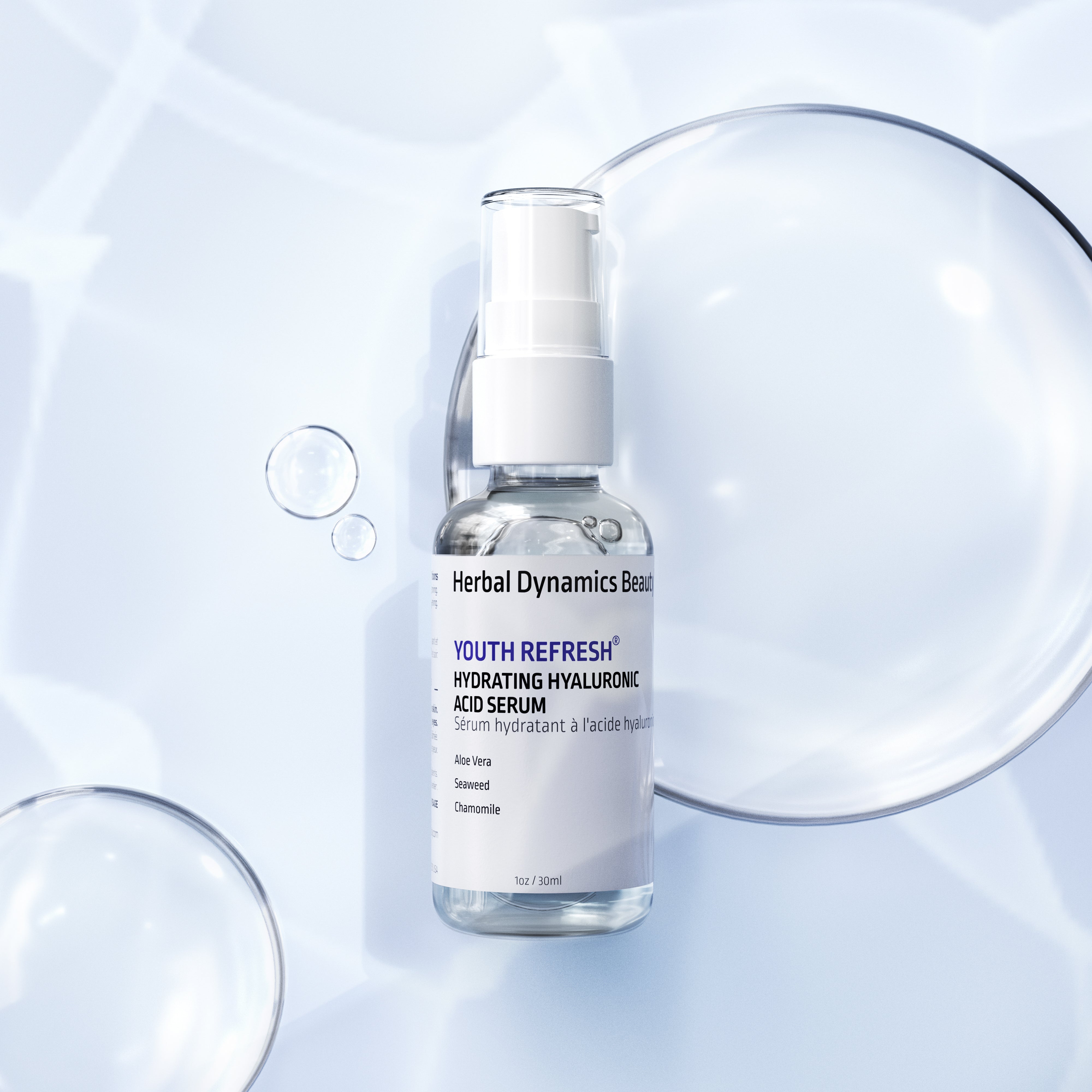
Youth Refresh® Hydrating Hyaluronic Acid Serum can add a light humectant layer when your moisturizer alone leaves you wanting more hydration. Check the complete formula against known allergies; no serum guarantees tolerance.
Dry skin often also needs a richer moisturizing base. An oily face can feel dehydrated without needing an oil-rich serum. Use hydrating serum choices for water-binding formulas and dry-skin serum selection for the serum-plus-cream decision.
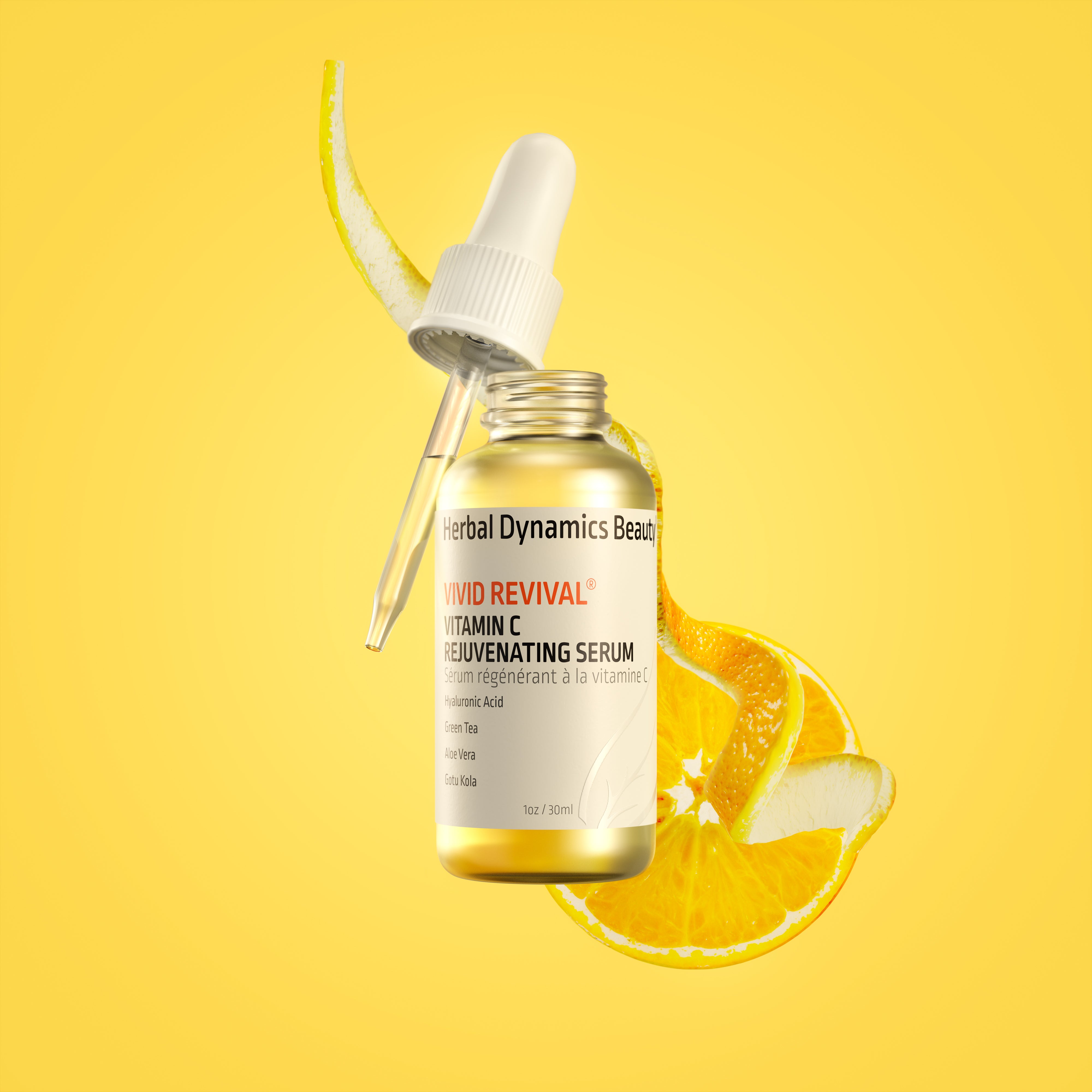
Vivid Revival® combines a vitamin C derivative with hydrating ingredients. It is a reasonable category to consider for a cosmetic radiance goal, but ingredient evidence is not a clinical trial of this finished serum. Do not infer a concentration from its historical URL.
If the issue is a flat brown mark rather than a dull finish, compare brightening serums by ingredient and tolerance. If the face simply looks rough or tired, use the glowing-skin guide to decide whether hydration or a different routine adjustment is more relevant. Neither question requires buying every brightening active.
For oil appearance, compare a niacinamide formula's disclosed concentration, finish and full ingredient list. A 2% study does not prove that a 10% finished serum works better. Use the niacinamide selection guide for more detail.
For comfortable oily skin, choose by shine, texture and whether another layer is useful. For recurrent inflamed spots or clogged pores, distinguish cosmetic support from a labeled acne treatment. The oily-skin guide and existing acne-prone serum guide make that distinction.
A hydration goal, a peptide formula and a retinoid routine are different decisions. Compare the evidence for the ingredient category and the tolerability of the complete formula; do not assume one category will reverse significant sagging or deep folds.
Retinoids can irritate and should be avoided during pregnancy or while trying to conceive; discuss breastfeeding with a clinician. Check retinoid precautions and the fine-line and mature-skin serum guide. No serum reliably corrects significant sagging or deep folds.
Fragrance avoidance, known allergies and present skin condition matter more than a long list of soothing ingredients. A brand’s “sensitive skin” wording is not an allergy guarantee. If your face is actively burning or developing a rash, adding another serum can obscure the cause. See sensitive-skin serum choices.
For your next step, use how to apply face serum and how to layer it. Track the relevant outcome with the serum results guide instead of escalating strength after a few applications.
By Herbal Dynamics Beauty • Updated September 25, 2026