Your Cart is Empty


The best skincare tool is one that has a clear purpose, suitable instructions and realistic evidence for the result you want. A tool is optional: gentle cleansing, moisturizer and sun protection remain the foundation of a manageable skincare routine.
Separate a pleasant massage, easier cleansing, a temporary cosmetic change and a medical treatment. They are different goals. Before buying, check what was actually studied: the same device, settings, users, treatment schedule and outcome. An ingredient study or professional procedure cannot prove the result of a different home device.
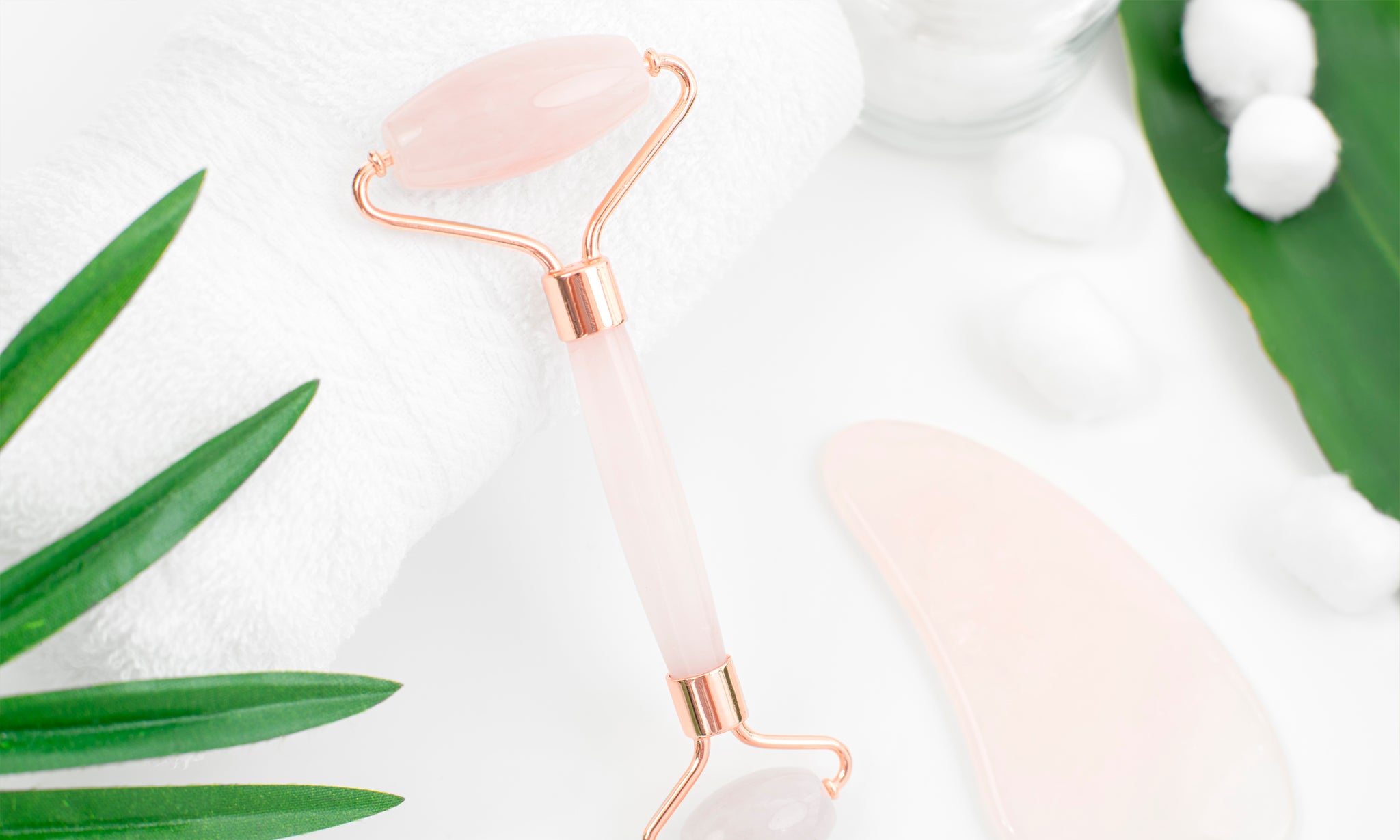
A manual massage tool may be part of a relaxing routine, but do not buy it expecting permanent lifting, fat removal or treatment of a skin condition. Consider ease of cleaning, a smooth intact surface and whether gentle contact feels comfortable. Skip massage over broken or inflamed skin and stop if pressure causes pain or bruising.
A product used for slip should be one you already tolerate. Buying several new serums and oils at the same time makes it harder to tell what caused a reaction. For dull-looking skin, first review hydration, texture and realistic radiance goals.
A brush is not required for an effective wash. Compare its cleaning requirements, replaceable parts and instructions with the simplicity of gentle fingertip washing. More friction does not establish better cleansing. Persistent tightness, redness or soreness is a reason to reassess the method.
Evaluate the particular device and intended use rather than assuming every product in a technology category performs alike. Check relevant regulatory status, eye-protection requirements, contraindications and the treatment schedule in the instructions. Ask a qualified clinician if your medical history or medication affects suitability.
A device should not be presented as a replacement for surgery or a guaranteed wrinkle treatment. Compare the cost, maintenance and ongoing time commitment with the specific result supported by its evidence. For an ingredient-based approach to visible aging, read topical vitamins and wrinkle evidence.
The FDA has not authorized microneedling medical devices for over-the-counter sale. Devices that penetrate living skin can cause bleeding, irritation, pigment changes or infection. If considering a procedure, consult a healthcare professional specifically trained in microneedling rather than treating a roller purchase as equivalent to professional treatment.
The FDA also distinguishes short, blunt cosmetic rollers from devices that penetrate the skin. That distinction does not establish that home rolling reproduces a clinical procedure. Do not assume a cosmetic serum is appropriate to apply with a needling device; the FDA has not cleared microneedling devices for use with another product.
Heat is not necessary to make a cleansing routine effective. Avoid leaning over bowls of hot water or treating discomfort as proof that a device is working. A comfortable wash and suitable moisturizer can be a more practical choice than adding a heat step.
Choose one optional change, follow its instructions and leave the rest of your routine stable while assessing comfort. Keep tools clean and do not share items that can contact broken skin. If acne is the concern, use the acne overview and acne-prone routine to keep evidence-supported treatment in place. The cleanser guide helps with the everyday washing step.
For hand massage rather than a device, massage benefits and evidence limits separates pleasant application from evidence for lasting structural changes.