Your Cart is Empty


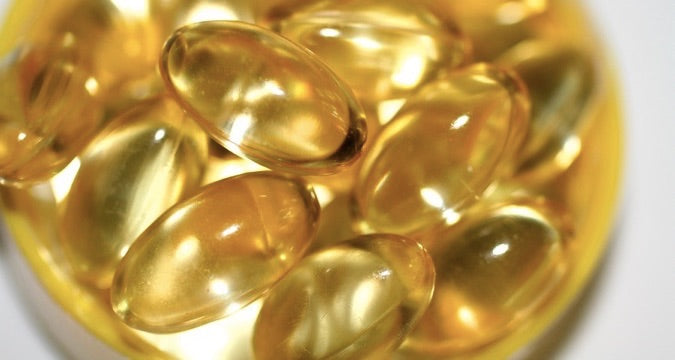
For topical wrinkle care, vitamin A derivatives have a stronger evidence base than a generic “vitamin-rich” label. Selected niacinamide and vitamin C formulas also have useful research. Eating enough nutrients supports normal health, but taking extra vitamins is not a proven shortcut to wrinkle-free skin.
| Vitamin family | Topical example | Realistic role | Important distinction |
|---|---|---|---|
| Vitamin A | Retinol or prescription tretinoin | Selected photoaging and texture benefits | Retinol, retinyl esters and tretinoin are different ingredients |
| Vitamin B3 | Niacinamide | Barrier support and selected tone or line-appearance benefits | Not interchangeable with every B vitamin or oral niacin |
| Vitamin C | L-ascorbic acid or a derivative | Antioxidant and collagen-related biology; formula-specific appearance benefits | Oral adequacy does not prove the performance of a topical derivative |
| Vitamin E | Tocopherol or tocopheryl derivatives | Antioxidant or conditioning role in a formula | Not a reliable stand-alone scar eraser or collagen-restoring treatment |
| Vitamin K | Different cosmetic vitamin K forms | Limited, indication-specific cosmetic research | Blood-clotting biology does not prove a wrinkle benefit from a cream |
Retinol is one retinoid. It undergoes conversion in skin; it does not contain a smaller amount of retinoic acid as an ingredient. Retinyl palmitate is another vitamin A derivative and should not inherit retinol’s clinical claims. Prescription tretinoin has its own evidence and directions.
The controlled retinol trial and tretinoin review evaluate different preparations. Use our retinoid naming guide and avoid retinoids during pregnancy or while trying to conceive.
A controlled facial study supports selected visible-aging benefits from its niacinamide formulation. That does not mean every vitamin B complex treats wrinkles or that higher concentrations are always more effective. See niacinamide and barrier support for the ingredient’s role.
Vitamin C is required for normal collagen formation. Topical effectiveness still depends on chemical form, stability and delivery. See vitamin C for skin before treating different derivatives or percentages as interchangeable.
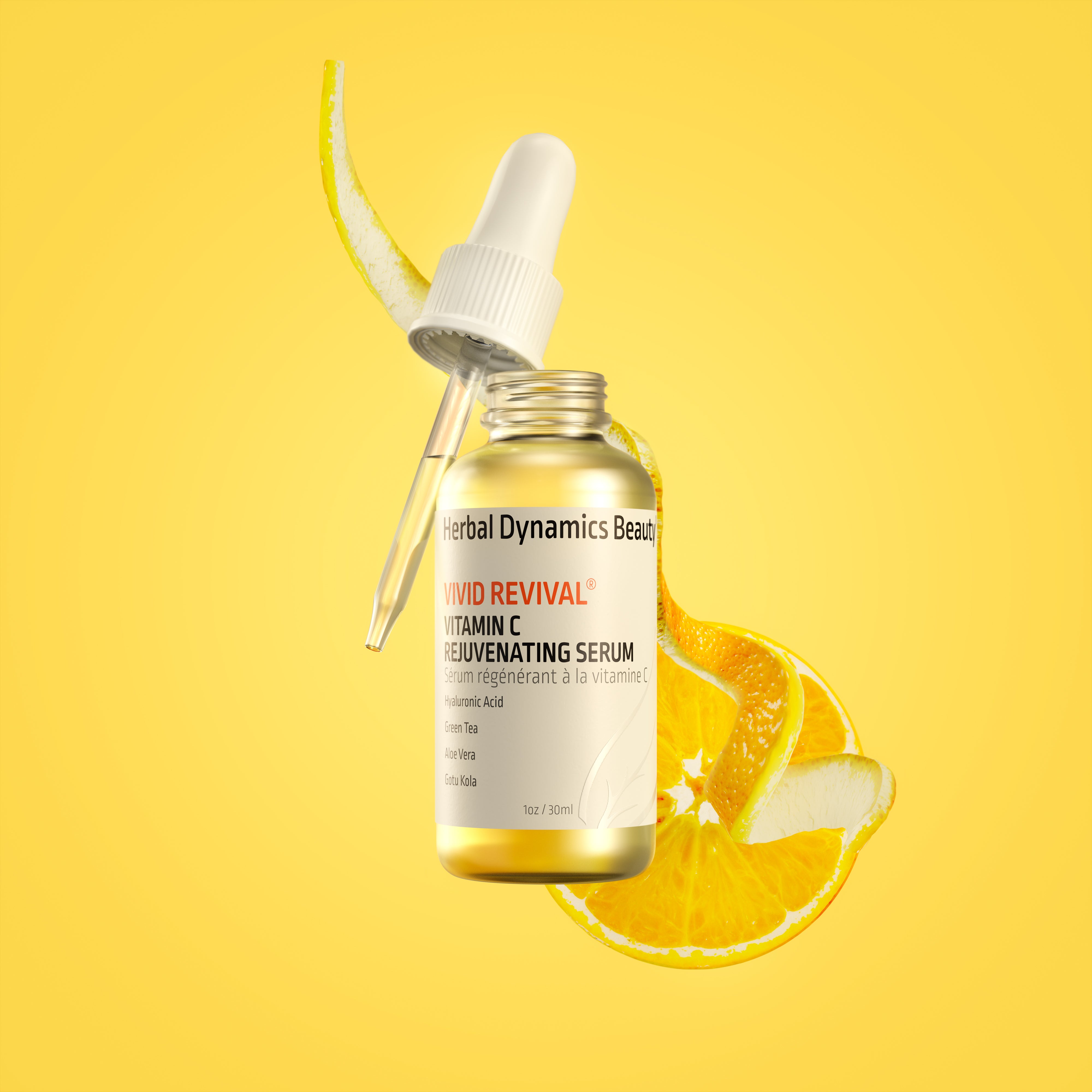
Vivid Revival® Vitamin C Rejuvenating Serum uses ethyl ascorbic acid. It can be considered for antioxidant and tone support, without assigning it results from an unrelated study.
A dry or wrinkled appearance is not enough to diagnose a deficiency. High-dose supplements can have risks and interactions, and topical products can irritate. Ask a clinician about supplementation when your diet, health history or medicines make it relevant.
The NIH vitamin C guidance distinguishes nutritional requirements from extra intake. Food and skincare also serve different purposes; our food-based collagen-support guide keeps those roles separate.
Keep a comfortable moisturizer and sun protection in place. Choose one optional active according to the main concern and introduce it gradually. An ingredient list containing several vitamins is not evidence that the product is stronger than a simpler formula.
For a broader comparison beyond vitamins, use the wrinkle-ingredient guide. For a peptide purchase, see the peptide-serum guide rather than treating peptides as another vitamin.
General cosmetic education; not a diagnosis or individualized treatment plan. A qualified clinician can assess persistent skin changes and prescription or procedure options.
By Herbal Dynamics Beauty • Updated September 19, 2026