Your Cart is Empty


A facial cleanser removes surface residue so you can wash your skin comfortably. Choose it around what you need to remove, how your skin tolerates washing and any treatments you use. Gel, cream, foam, oil and micellar formulas can all have a place; no single texture is best for everyone.
Start here for the differences between cleanser types. If you want a shortlist to compare, go to Best Face Cleansers for Different Skin Types.
Many formulas use surfactants to help water carry away oily material. Cleansing can remove excess surface oil, sweat and daily residue; makeup and sunscreen removal depend on the specific cleanser and the products being removed. A wash does not need to sterilize your face or remove all its natural oils.
“Face wash” and “facial cleanser” often describe overlapping products. The label does not tell you which is stronger. Read what cleanser does and how face-wash labels differ for the underlying function.
| Format | Why consider it? | What to check |
|---|---|---|
| Gel or foaming wash | A rinse-off texture that may suit a preference for a lighter finish | Comfort after rinsing, rather than the quantity of bubbles |
| Cream, lotion or milk | A less lathering option when washing tends to leave skin dry | Directions and whether it removes your usual sunscreen or makeup |
| Cleansing oil or balm | A possible removal step for persistent makeup or sunscreen | Emulsifying/rinsing instructions, eye suitability and personal tolerance |
| Micellar water | Convenient targeted cleansing with a suitable soft pad | Product-removal claims, wiping friction and rinse/no-rinse directions |
| Medicated acne wash | A labeled treatment step within an acne plan | Drug Facts, precautions and duplication with leave-on treatments |
Explore gel, cream and foaming cleansers, oil-based versus water-based cleansers, cleansing balms versus oils and micellar water versus face wash when choosing a format.
Skin type narrows the choices, but sensitivity can occur alongside dryness or oiliness. Treatment-related dryness also changes what feels comfortable. Use these focused comparisons rather than buying a stronger cleanser whenever your skin changes:
Double cleansing usually means an oil or balm removal step followed by a water-based wash. It is an option when one cleanser does not remove your makeup or sunscreen comfortably. It is not a requirement for every face, morning or evening.
The double-cleansing guide explains the method and how to adapt it for oily, dry and sensitive skin. Use the separate guides to removing sunscreen and removing makeup without irritating skin for the residue you actually wear.
Your evening sunscreen remains visible: check whether your wash is designed to remove it, then consider an appropriate removal step. More scrubbing is not the next step.
Your face is oily but tight after washing: oiliness and washing comfort are separate issues. Try reviewing the surfactant system and technique rather than buying the most foaming option.
You already use a leave-on acne treatment: decide whether a medicated wash adds a needed treatment or duplicates an irritating step. Follow the treatment instructions before adjusting the routine.
You wear little makeup and one cleanser works: keep the single comfortable wash. A balm, micellar water and a second cleanser are choices for a removal need, not a required set.
Use the product as directed and avoid trying to compensate for poor removal with prolonged scrubbing. Our face-washing steps cover contact time, rinsing and the order of toner and exfoliation. The cleansing-frequency guide addresses morning washing and how to plan around your evening routine.
Exercise changes that schedule: read washing before and after workouts so a gym session does not become several unnecessary full washes.
A dermatology review of mild cleansing describes how surfactant interactions, formula pH and moisturizing components affect cleansing. Its lesson for shopping is to evaluate the finished product, rather than assuming that one highlighted ingredient predicts the outcome.
See surfactants, sulfates and charcoal claims, skin pH and cleanser labels and botanicals in facial cleansers. “Natural,” “sulfate-free” and “pH balanced” each leave unanswered questions about the full formula and your own tolerance.
Persistent tightness, stinging, flaking or itching warrants reassessing the routine. Tightness immediately after washing is a useful starting point; signs of over-cleansing helps review the cumulative effects of repeated washes, friction and active products.
Choose a cleanser that fits alongside a suitable moisturizer. If irritation persists, or you develop swelling, painful cracking or a rash, seek professional advice rather than adding more cleansing or exfoliation.
If a wash repeatedly feels uncomfortable, problem-based skincare swaps helps change that step without discarding the rest of a tolerated routine.
After washing, ask whether the residue you intended to remove is gone, whether rinsing was straightforward and whether skin feels comfortable. A cleanser can fail one of these checks even when its featured ingredient sounds suitable. Keep your other products steady while changing the wash so the result is easier to interpret.
Use the cleanser selection guide to compare the whole formula once you understand the format. If moisture is the next need, dry-skin moisturizer choices address the leave-on step; a richer wash is not automatically a replacement.
Put cleansing into the complete morning and night routine. Keep product-specific and prescription instructions first; an additional cosmetic step is optional.
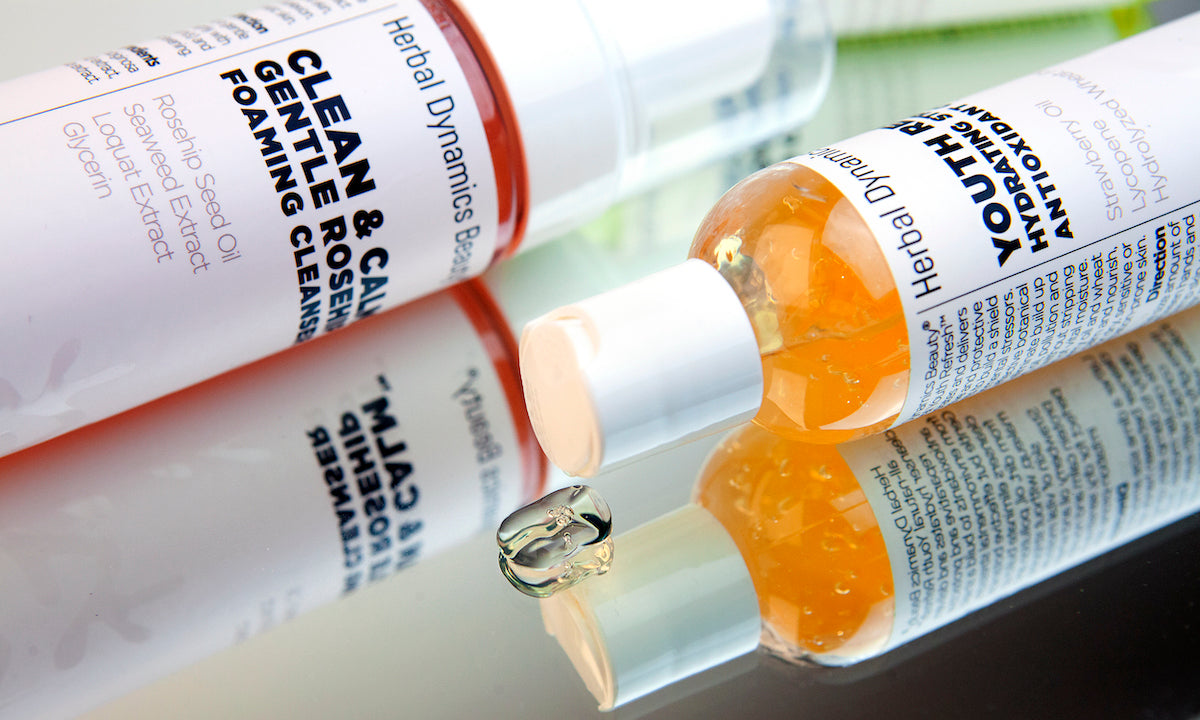
One currently published HDB wash is Clean & Calm® Gentle Rosehip Foaming Cleanser. Its listed formula includes sodium olivate, glycerin, hyaluronic acid and Rosa rubiginosa fruit extract. This is a rinse-off cleansing example; the label does not establish a measured pH, retinol dose or clinical vitamin C effect. Judge comfort after rinsing and use a different formula if it repeatedly leaves skin tight.
After using the selection guide to check formula fit, you can browse HDB facial cleansers. The category name is a browsing aid; review each complete ingredient list and intended use before choosing a product.
By Herbal Dynamics Beauty · Updated October 11, 2026. General skincare education.