
Your Cart is Empty


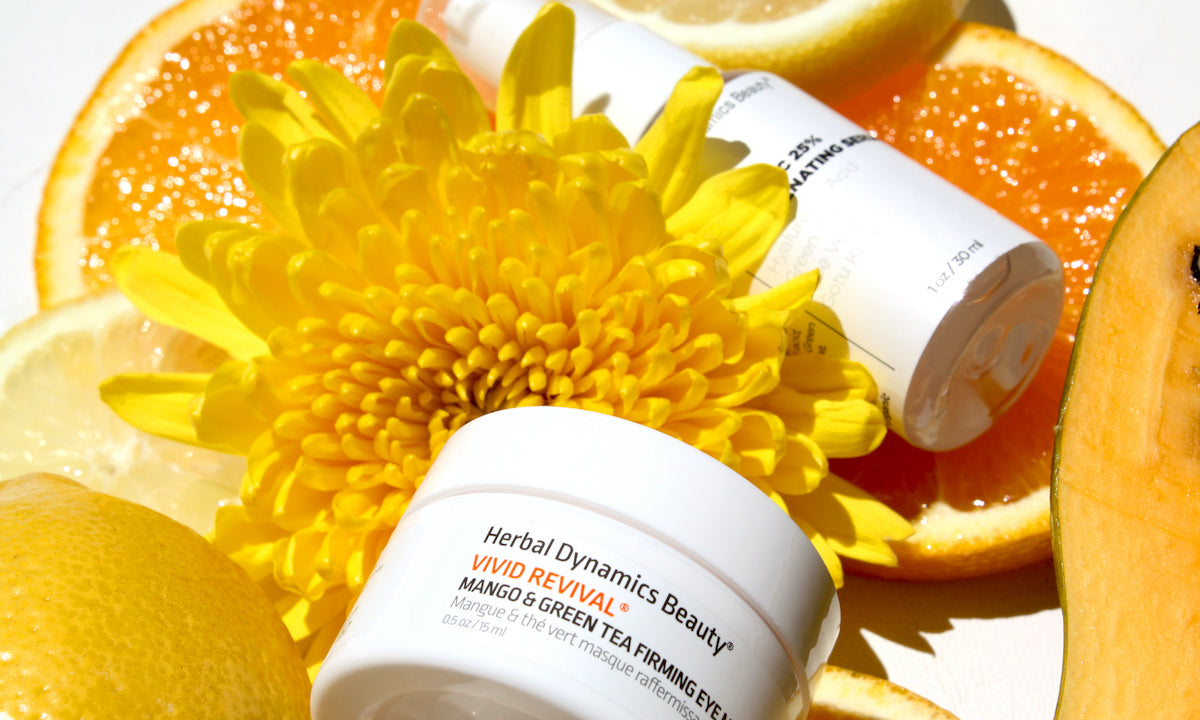
Choose botanicals by the function your skin needs, the preparation used and the complete finished formula. Plant butters and oils can add softness, while extracts may have different cosmetic roles. No botanical is automatically the best choice for every dry, oily, sensitive or mature face.
Beauty botanicals include plant oils, butters, hydrosols and extracts. These preparations are not interchangeable: an essential oil is different from a pressed seed oil, and a food or tea is different from a preserved skincare product. Their long history is useful cultural context, but historical use does not establish a modern clinical result.
Use the skin-type sections below as a starting framework, then read the focused ingredient guide and choose a product that fills a real role in your routine. Skin type, sensitivity and a particular concern can overlap; a familiar plant name cannot decide all three.
| Your need | Useful botanical question | Next decision |
|---|---|---|
| Dryness or a rough-feeling surface | Does a butter or oil add emollient support within a complete moisturizer? | Choose a face moisturizer, or a body formula for the area |
| Oiliness with breakouts | Is the claim about surface shine, comfort or actual acne treatment? | Understand acne-prone skin before adding optional botanical layers |
| Reactive skin | Does the formula avoid your known triggers, including fragrance? | Review sensitivity and product tolerance |
| Uneven-looking tone | Was the tested preparation comparable to the cosmetic? | Compare targeted brightening formulas |
| Age-related dryness or fine lines | Is the goal moisture-related smoothing or a different treatment endpoint? | Choose a manageable mature-skin routine |
Shea butter can contribute richness and softness to a cosmetic formula. Its presence does not establish that the product treats inflamed skin or suits every sensitive complexion. Compare body-care butter ingredients and check the finished formula.
For body-care options, use the body moisturizer buying guide. Choose a current formula by its full ingredient list and your skin’s needs.
For the ingredient-specific explanation, read shea butter’s facial moisturizing role. Use that evidence to assess the finished product and the role you want it to serve.
Tea tree oil has antimicrobial laboratory research and limited clinical acne evidence. NCCIH concludes that more research is needed before firm conclusions about acne benefit can be drawn. A test of a particular preparation does not establish that every tea tree mist is an acne treatment.
Do not assume tea tree outperforms prescribed acne medicines or cannot cause dryness. Topical products may irritate some people, especially when the oil has deteriorated. For breakouts, distinguish a supportive cosmetic from an appropriately labeled acne treatment and review the rest of your active routine.
A tea tree hydrosol is not the same preparation as an essential-oil acne study. Select the finished product for its intended use; avoid treating its botanical name as a demonstrated treatment dose.
Green tea is thought to have first been discovered in China, where green tea leaves were used for medicinal purposes.
Green tea extract appears in creams, lotions and serums. Its suitability depends on the full formula and the role you want that product to serve.
If your skin is comfortable and neither persistently dry nor oily, maintain that baseline with manageable care. Normal skin can still become irritated by a product or weather change; a preventive routine does not need every antioxidant ingredient.
Green tea has antioxidant research, but botanical origin does not guarantee healing, prevention of aging or individual tolerance. Choose a green tea formula around your concern and the complete ingredient list.
For eye-area moisturizing care specifically, Vivid Revival® Vitamin K Contouring Eye Cream includes green tea extract. It is not a general recommendation for an entire normal-skin facial routine. See green tea around the eyes for the appropriate context.
For the ingredient-specific explanation, read green tea and EGCG evidence. Use that evidence to assess the finished product and the role you want it to serve.
Combination skin may have an oily T-zone and drier cheeks. A rosehip seed oil can add emollient softness where you want it, but it does not normalize every zone or establish that a formula will not cause breakouts. Adjust coverage by area rather than assuming one plant oil balances oil production.
Rosehip seed oil and rose water have different preparation methods and routine roles. An oil may complement a moisturizer; a watery toner is an optional layer after cleansing. Neither replaces sunscreen or a suitable wash. Check the actual ingredient rather than treating every rose-named product as equivalent.
Claims about brightening, collagen and dramatic restoration need evidence for the preparation being applied. Fatty-acid composition helps explain an oil’s cosmetic role; it does not establish that a bottle reverses structural aging or treats pigmentation.
For a wash, compare botanical cleanser ingredients rather than selecting by a featured plant oil alone.
For the ingredient-specific explanation, read rose water versus rosehip oil. Use that evidence to assess the finished product and the role you want it to serve.
Chamomile extracts and oils appear in products marketed for comfort, but chamomile is not automatically appropriate for sensitive skin. The preparation, fragrance components, preservation system and personal allergy history all matter. A minimal fragrance-free product may be easier to assess when your skin reacts readily.
Chamomile has a long history of traditional use. NCCIH describes limited reliable evidence for many claimed clinical uses and notes potential allergic reactions, particularly in people allergic to related plants. Traditional wound use is not evidence that a cosmetic toner heals irritated or diseased skin.
Choose a gentle body cleanser whose full formula and fragrance profile suit your skin.
For the ingredient-specific explanation, read chamomile preparations and allergy considerations. Use that evidence to assess the finished product and the role you want it to serve.
Cucumber extract may contribute a sensory or conditioning role to a cosmetic. For mature skin, prioritize comfortable cleansing, adequate moisture and daytime sun protection before choosing an optional botanical feature. Age alone does not make cucumber a necessary active.
Cucumber is water-rich as food, but that percentage does not establish deep hydration from a cosmetic extract. A finished moisturizer’s humectants, emollients and overall formulation determine its practical effect; antioxidant mechanisms alone do not prove an anti-wrinkle result.
A cooling cosmetic may temporarily refresh the eye area, but cucumber on a label does not prove reduction of crow’s feet. For under-eye fine lines, separate moisture-related smoothing from evidence for a specific active formula.
Treat a cucumber formula as one product to evaluate by its intended role, not as a prescription for every mature complexion. Check the full ingredient list and the preparation’s evidence before expecting a particular visible change.
Cucumber and blue-lotus ingredients do not establish that a cleanser suits every sensitive face. Use the sensitive-skin cleanser guide for formula selection.
For the ingredient-specific explanation, read cucumber’s cosmetic uses and limits. Use that evidence to assess the finished product and the role you want it to serve.
Shea, green tea, rosehip, chamomile and cucumber introduce different formulation roles rather than a universal ranking. Other useful botanical topics include aloe, oat, centella and licorice. Their guides separate ingredient mechanisms from what a finished cosmetic has actually demonstrated.
Choose around the missing function in your current routine. Ask whether a study examined a food, an isolated molecule, a laboratory extract or the finished leave-on product. Match the evidence to the claim instead of assuming that a longer botanical list delivers a stronger result.
Natural and synthetic origin alone do not establish safety or effectiveness. Keep products you tolerate, avoid known allergens and introduce one useful change at a time. Botanical fragrance can still cause a reaction; ongoing burning, itching or rash deserves reassessment rather than more plant-based layers.
If a botanical product is marketed for stress, adaptogen labels and topical evidence separates that claim from the evidence for the actual preparation. The umbrella label does not define one proven skin effect.
Choose the wash for your needs using the facial-cleanser guide. Dermatology guidance recommends gentle fingertip washing and avoiding scrubbing.
When comparing floral ingredients, use floral cosmetic roles and evidence limits and calendula preparation differences. Historical use should not be treated as treatment evidence.
By Herbal Dynamics Beauty · Updated October 11, 2026. General skincare education.Content updated October 8, 2026.
To choose the whole routine after evaluating a botanical ingredient, use product selection by skin type. The plant-focused framework explains ingredient roles; the selection guide organizes cleanser, moisturizer, sunscreen and optional targeted care.
Before choosing an aromatic oil for discoloration, essential oils and brightening-claim limits distinguishes fragrance materials from preparations with relevant pigment evidence.
For names often grouped together, ginseng, ginkgo and gotu kola compared distinguishes ginseng, ginkgo and gotu kola and the actual preparation being discussed.
For apple extracts, seed oils and plant-cell preparations, apple-derived cosmetic ingredients is the broader ingredient overview. Evaluate those materials separately from the nutritional reputation of the fruit.






