
Your Cart is Empty


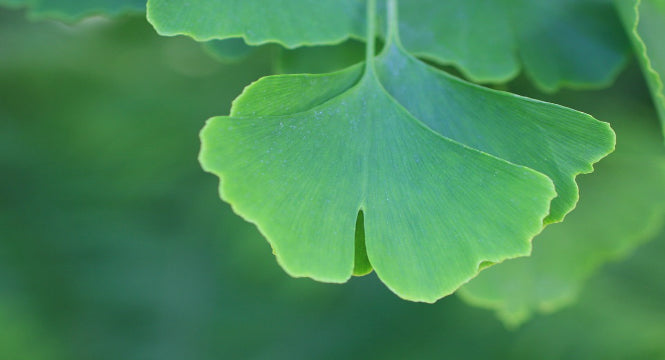
Ginseng, ginkgo biloba and gotu kola are three different botanicals. Gotu kola is another common name for Centella asiatica; it is not a type of ginseng or ginkgo. Their shared use in skincare does not establish that they have identical effects or that a formula containing all three will treat acne, eczema or visible aging.
| Botanical | Common skincare identity | Important distinction |
|---|---|---|
| Ginseng | A Panax ingredient, often a root extract | A different plant from gotu kola |
| Ginkgo biloba | A tree whose leaf extracts appear in skincare | Ginkgo and Centella are not alternative names |
| Gotu kola | Centella asiatica | Often discussed as cica in skincare; contains characteristic triterpenes |
Check the ingredient list for the actual botanical name and preparation. Similar common names are not enough to transfer a study from one plant to another.
A laboratory study compared antioxidant activity in several extracts, including gotu kola and ginkgo. An assay measures behavior under laboratory conditions. It does not establish acne clearance, wrinkle reduction or accelerated cell turnover in someone using a finished cream.
Before accepting a skin claim, ask whether the study tested an isolated ingredient, a mixture, an oral preparation or the exact topical formula. Route, concentration and formulation all change what the finding can support.
Centella is associated with madecassoside, asiaticoside, madecassic acid and asiatic acid. Analytical work on Centella helps explain why extract identity matters. The Centella compound guide separates those names without ranking them as stronger or weaker skincare.
For the main overview, read Centella asiatica for skin. The focused sensitive-skin guide and blemish-prone skin guide explain how far cosmetic evidence can be taken.
Research in cells, animals or supervised wound-care settings does not mean an ordinary botanical cream heals wounds or removes scars. A cosmetic is also not an alternative to a tested sunscreen. Keep sun protection as its own step.
Persistent acne, eczema-like symptoms or a painful rash needs appropriate assessment. Do not delay an effective care plan because a plant has an appealing laboratory mechanism.
None of these plants is required in a complete routine. If you are specifically considering gotu kola, use the Centella selection guide. If your goal is managing breakouts, the acne-prone routine guide provides the broader framework.
For structural aging rather than a botanical antioxidant claim, read collagen and elastin: structure and realistic support. Laboratory activity of a plant extract does not establish replacement of dermal fibers by a cosmetic.
By Herbal Dynamics Beauty • Updated October 1, 2026






