Your Cart is Empty


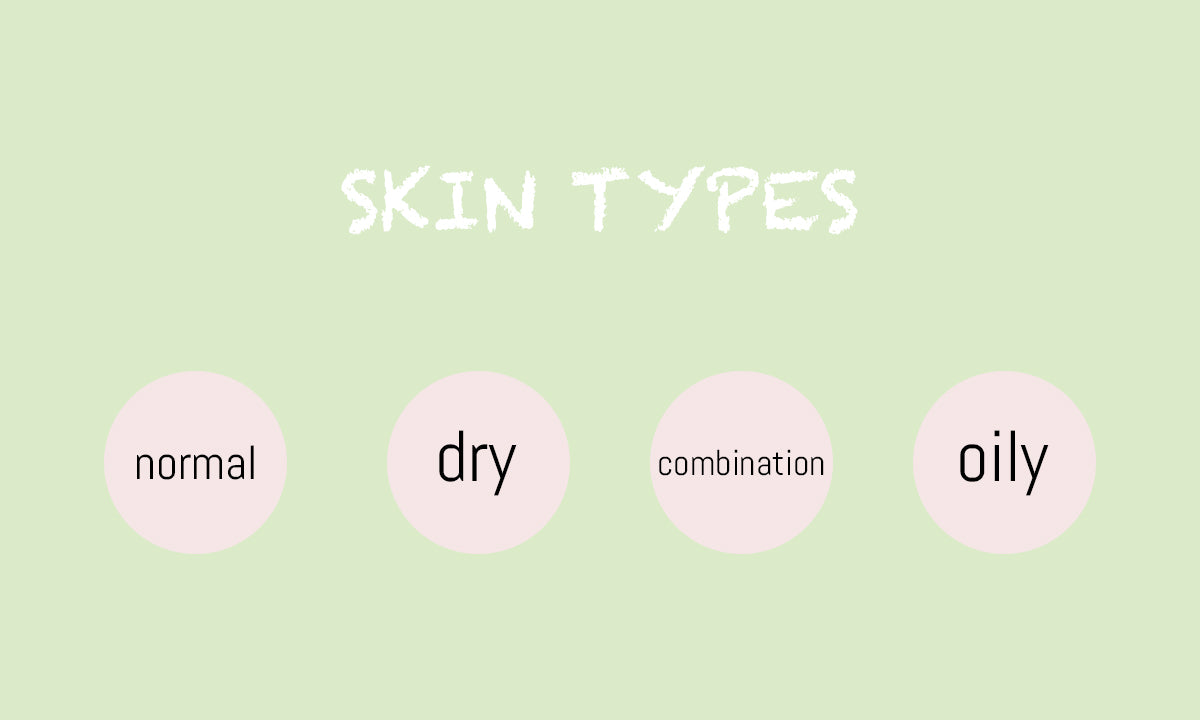
Choose skincare products by your current skin type, sensitivity, the concern you want to address and the complete formula. Start with a comfortable cleanser, moisturizer as needed and daytime sunscreen. Toner, exfoliator and serum are optional additions for a remaining goal.
If you are unsure whether your skin is dry, oily or combination, use the skin-type assessment first. This guide owns the next decision: choosing product roles and textures after you understand your skin. Sensitivity can coexist with any oil or moisture pattern.
Price, a natural label or a long ingredient list does not establish a better match. Keep products that work comfortably, check known triggers and change one useful step at a time. The skin-type sections retain detailed category choices so you can compare a complete routine without making every category compulsory.
Trying out various products is fun, but in choosing the best products for your skin type, it'll be best if you first know about the things that you actually need. So let's look at the products that are the foundation of any routine, as well as why they're important.
A facial cleanser removes surface oil and residue. Many modern washes use non-soap surfactants; oils, balms and micellar waters have different directions. Select around removal needs and tolerance using the cleanser overview or the skin-type comparison.
Remove makeup and sunscreen comfortably in the evening. A second cleanse is optional when one appropriate product works.
Exfoliation is optional. A suitable product may improve surface roughness, while an appropriately labeled salicylic-acid product may fit acne care. Do not scrub irritated flakes or assume fruit enzymes are safe for every skin type. Read how to exfoliate your face and use the facial-exfoliator buying guide for the dedicated comparison.
AAD guidance emphasizes choosing around skin condition and other products. AHAs also require sun-sensitivity precautions.
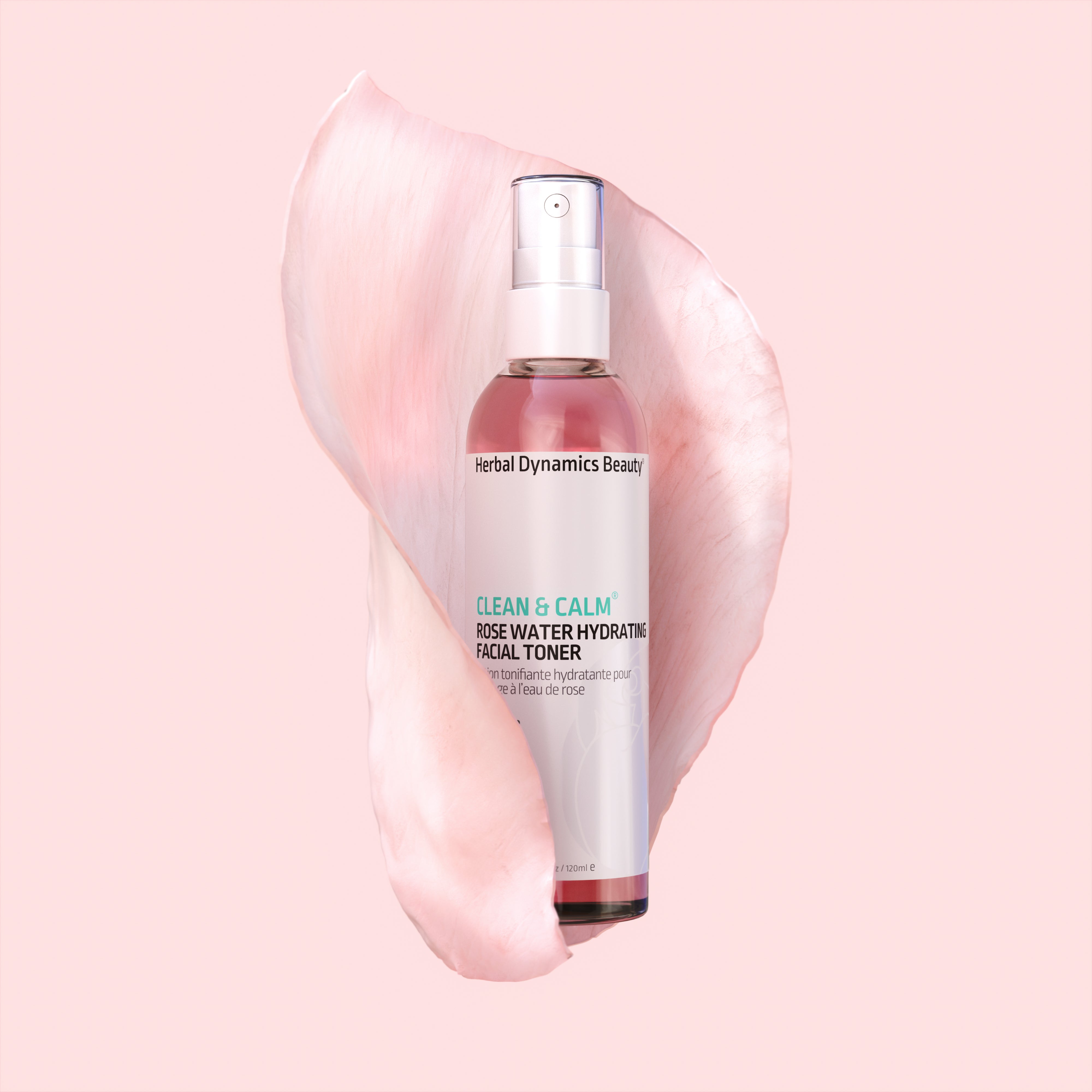
Toner is an optional step, usually used after cleansing. A hydrating toner does not replace makeup removal, and not every toner has an acne-treatment role.
Ingredients determine whether a toner hydrates, exfoliates or temporarily changes surface oil. It does not permanently close pores or universally restore pH. See what facial toner does.
Use the facial-toner buying guide to choose by skin type and tolerance. A botanical label is not proof that a product is gentle.
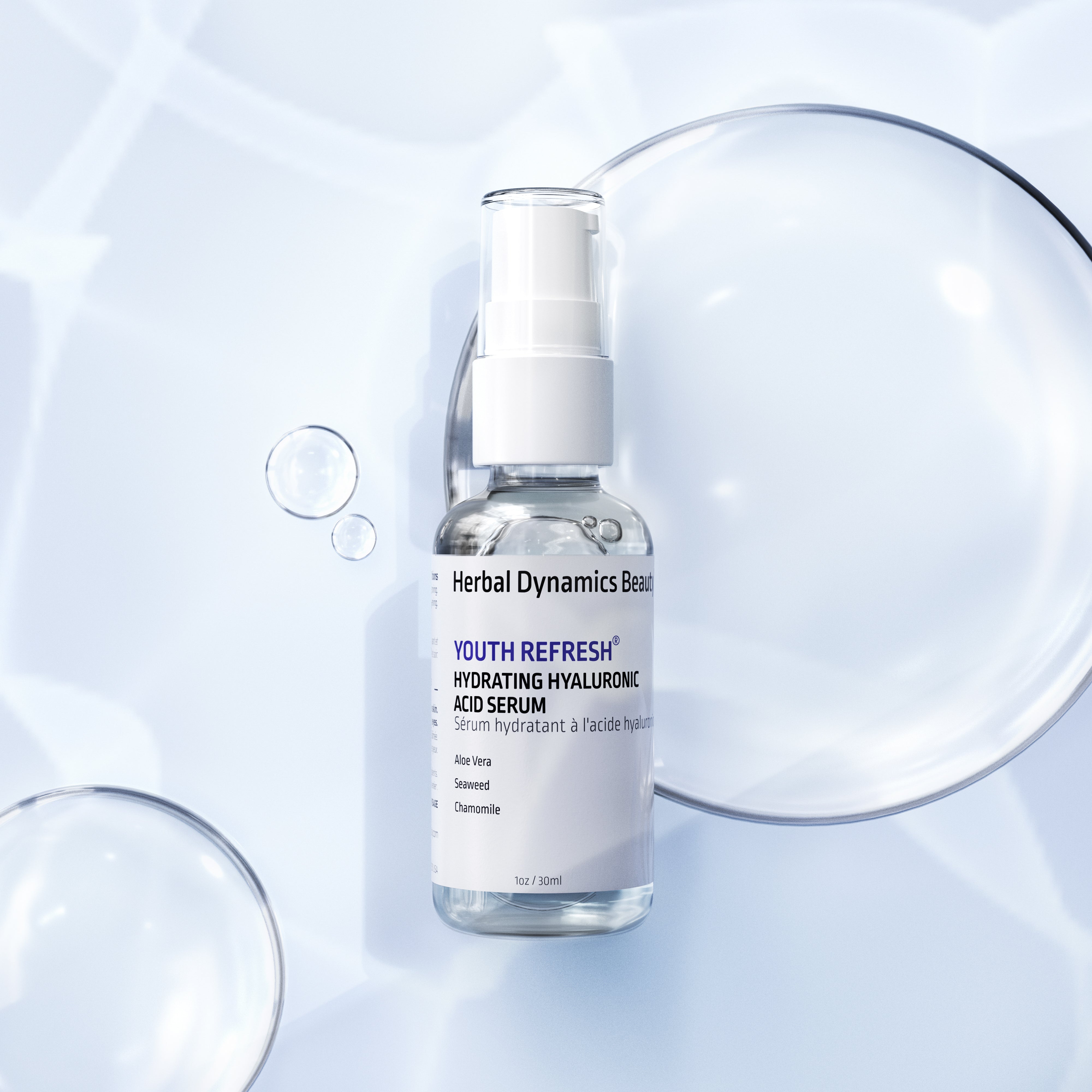
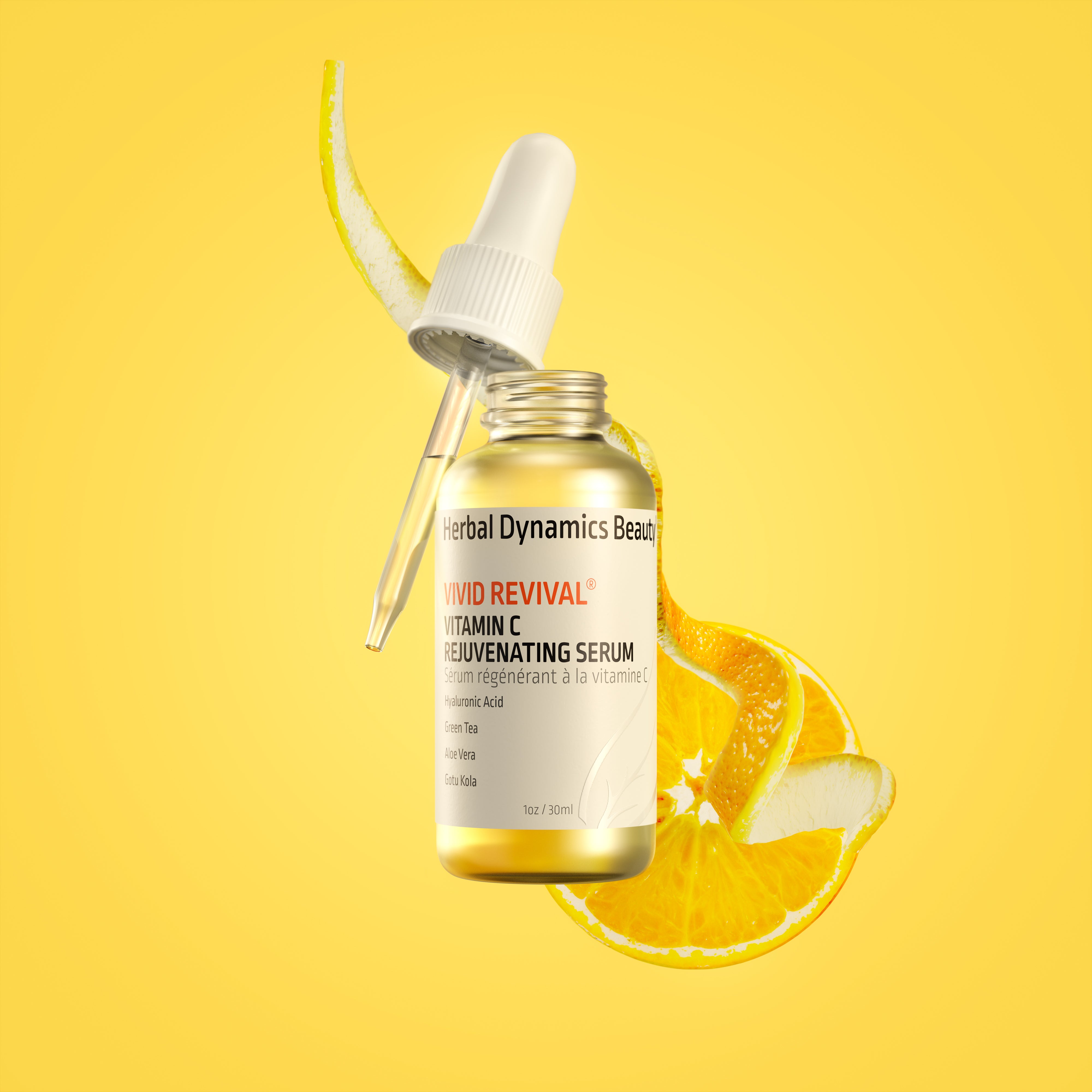
Serum is an optional format, not proof of high strength or deep penetration. Choose one remaining goal and a tolerated formula. The face-serum overview explains ingredient roles, and the concern-based serum comparison provides current product choices.
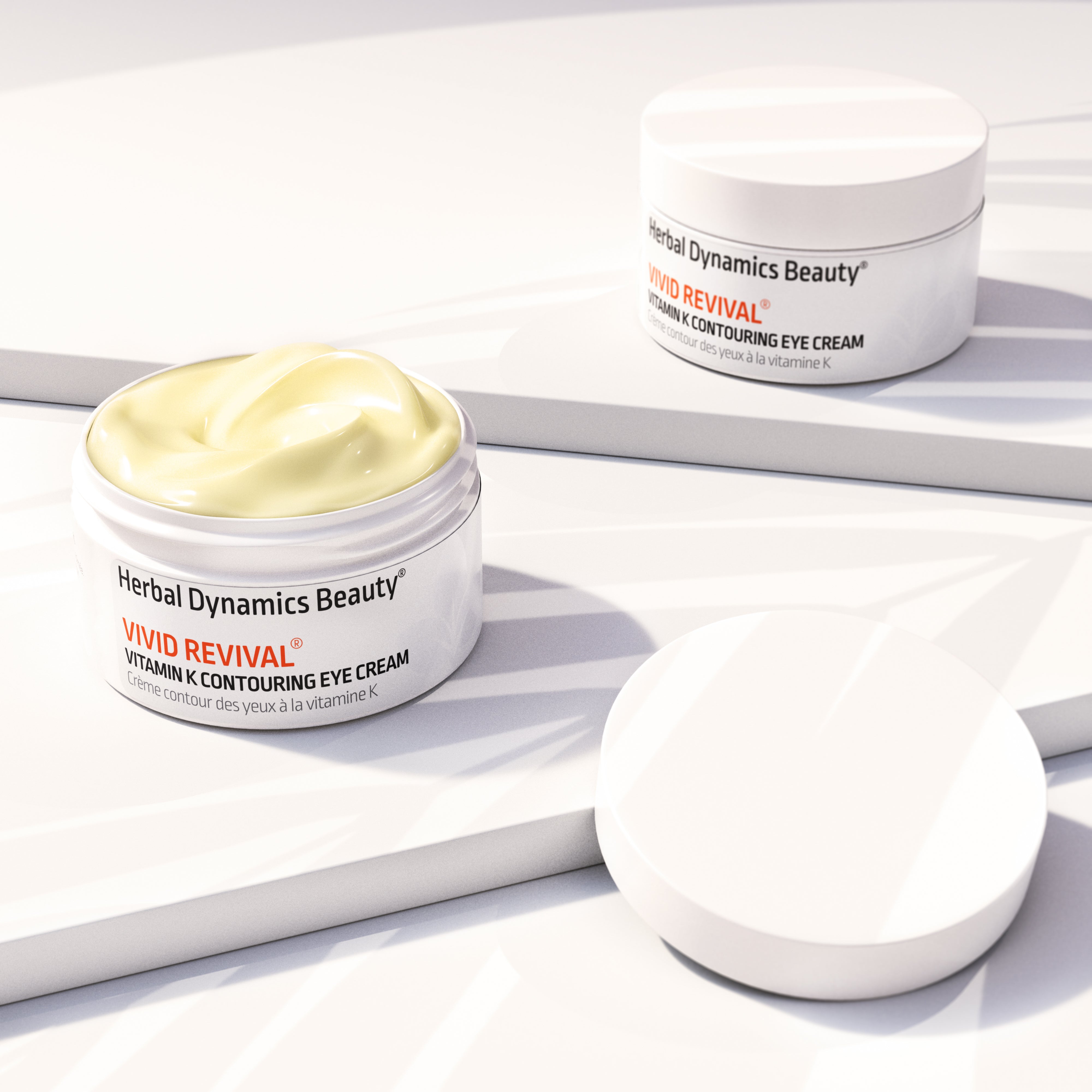
A moisturizer can support comfort and the appearance of dryness through humectants, emollients and water-loss-reducing ingredients. Choose the finished texture and formula for your needs. A non-comedogenic label is useful information, not a guarantee that no individual will develop breakouts; vitamin content alone is not the goal.
Even oily skin types benefit from moisturizers, but the key is picking one designed for your skin type with ingredients that will target your needs.
Using an effective sunscreen is important not only when you are about to go to the beach on a hot summer day, but also if you are simply running a quick errand outside. Sunscreen can protect you from the harmful rays of the sun.
Apart from that, the formulation can also serve to smooth, soften, and nourish your skin. Using daily SPF is especially important when using chemical exfoliates/peels, retinols, and certain medications as it protects from sun damage that results in premature aging and uneven skin tone.
Dry, oily, combination and relatively balanced skin describe oil and moisture patterns. Sensitivity is a separate feature that can occur with any of them. Use the detailed sections below for selection, and reassess when climate, treatments or your skin’s comfort change.
| Your starting point | First selection priority | Focused choice |
|---|---|---|
| Dry or flaky | Comfortable washing plus a complete moisture step | Dry-skin moisturizer comparison; optional dry-skin serum |
| Oily with shine | Removal needs and a manageable finish; distinguish shine from acne | Face-cleanser comparison |
| Combination | One comfortable baseline with coverage adjusted by area | Face-moisturizer selection |
| Reactive or sensitive | Known triggers and tolerance before extra actives | Optional serum selection for sensitive skin |
| Mature with dryness | Current comfort and treatment compatibility rather than age alone | Mature-skin moisturizers; optional mature-skin toner |
Normal skin generally means that the skin is well-balanced. The skin is not too oily and also not too dry, and its overall moisture is balanced. Normal skin is characterized by fine pores, smooth and soft texture, no/very few blemishes, and not being particularly sensitive to changes.
People who have normal skin are lucky as it is generally easy to care for. If you have normal skin, choosing the best products for your skin type can be a breeze! For you, it's mainly about maintaining a healthy skin barrier and protecting from environmental fluctuations.
If your skin isn't giving you any problems to solve (lucky!), choosing the best products for your skin type is just a matter of preference, although you should still try to avoid irritating ingredients or comodegenic (pore-clogging) products.
When what you're doing is working, stick with it. If you feel that your skin gets a bit dry and flaky sometimes, choose products that are meant for normal to dry skin. Meanwhile, if you feel oily sometimes, choose products designed for normal to oily skin.
Just try to avoid products with aggravating ingredients. As much as possible, choose ones with gentle formulas as you want to keep your normal skin problem-free!
Dry skin produces less oil than the normal type. Because of this, skin finds it difficult to retain moisture and maintain a protective barrier against external elements. This can make it prone to irritation, blemishes, and flakiness, and make wrinkles more apparent. Dry skin comes in varying degrees and forms.
Adequate nutrition and fluid intake support general health, but drinking more water is not a substitute for a suitable dry-skin routine. Look for a complete moisturizer, comfortable cleansing and targeted care for recurring dry areas. Seasonal changes may affect the texture you prefer.
Oily skin has a noticeable sebum pattern and may have a shiny finish or visible pores. Oiliness does not establish acne by itself, and acne can coexist with other skin types. Choose comfortable cleansing and a manageable moisturizer, then decide separately whether a labeled acne treatment is needed.
Combination skin can be characterized by an oily T-zone, enlarged pores, and normal-to-dry cheeks. Generally considered the most common. For combination skin, the key is balancing both the oily and dry areas of the face.
Sensitive skin may sting, itch or react to products. Keep selection focused on your known triggers and a simple, tolerated formula; natural origin and preservative-free marketing do not guarantee safety. See the sensitive-skin guide.
A temporary hydrated or smoother feel is different from acne clearance or structural wrinkle change. Check what the product claims, how that outcome was measured and whether the evidence applies to this preparation. Broad miracle claims should not replace a clear purpose and realistic expectations.
Always select a product that is made by a reputable manufacturer that you can trust. There is no universal adjustment period. Persistent irritation is not something to endure for a promised result.
You will have more success in choosing the best products for your skin type if you conduct research prior to buying. Read product labels and see what their active ingredients are. If the ingredients are unfamiliar to you, read about them first and find out how they will affect your particular skin type.
Additionally, do not hesitate to consult with your dermatologist about ingredients or a certain product first. Choosing the best products for your skin type will be easier for you if you know what will work for your skin and what will only cause damage to it.
HDB Prickly Pear Antioxidant Daily Moisturizer combines glycerin with emollients, prickly pear ingredients and other supporting components. Its listed formula also includes retinyl palmitate and ethyl ascorbic acid. Evaluate the entire preparation and your tolerance rather than treating the plant name as a skin-type guarantee.
Compare through the face-moisturizer selection guide and use the morning and evening order guide for placement. Herbal Dynamics Beauty makes and sells this example; ingredient presence does not establish that it reproduces another preparation’s clinical results.
See the facial-cleanser guide for cleanser formats and selection.
Use serum application guidance and the layering guide to fit the chosen formula around your existing products.
Use the facial sunscreen guide to choose broad-spectrum SPF 30 or higher and apply it properly. FDA guidance explains why tested sunscreen claims, protective clothing and correct use matter; ingredient or nutrition research is not an SPF rating.
If you want a short use checklist after selecting products, six everyday skincare rules connects the formula choices to comfortable daily care.
If your selection goal is a glass-skin finish, a manageable glass-skin routine adapts the existing routine without making every optional category compulsory.
For the origin question, natural versus synthetic formulation choices evaluates purpose, evidence and tolerance rather than ranking formulas by a natural label.
For those two common claims, non-comedogenic and hypoallergenic labels explains why they narrow a search without guaranteeing freedom from breakouts or allergic reactions.
By Herbal Dynamics Beauty · Updated October 11, 2026. General skincare education.