Your Cart is Empty


Squalane is an emollient used to improve the feel of skin and cosmetic formulas. It can help rough, dry areas feel smoother and more comfortable. It is not a humectant, an acne medicine or sunscreen, and its presence alone does not prove that a moisturizer rebuilds collagen.
Squalene is one component of human sebum, the oily mixture produced by sebaceous glands. Squalane is its saturated counterpart, commonly used in cosmetics because of its stability. Squalene is the prominent unsaturated component discussed in sebum research; it should not be treated as identical to cosmetic squalane.
| Term | Main distinction | Practical point |
|---|---|---|
| Squalene | Unsaturated component found in sebum and other sources | Not the same ingredient as cosmetic squalane |
| Squalane | Saturated emollient used in skincare | Check the finished formula, not just this ingredient |
| Squalane moisturizer | Cream or lotion containing squalane with other ingredients | Can combine emollience with water-binding and protective ingredients |
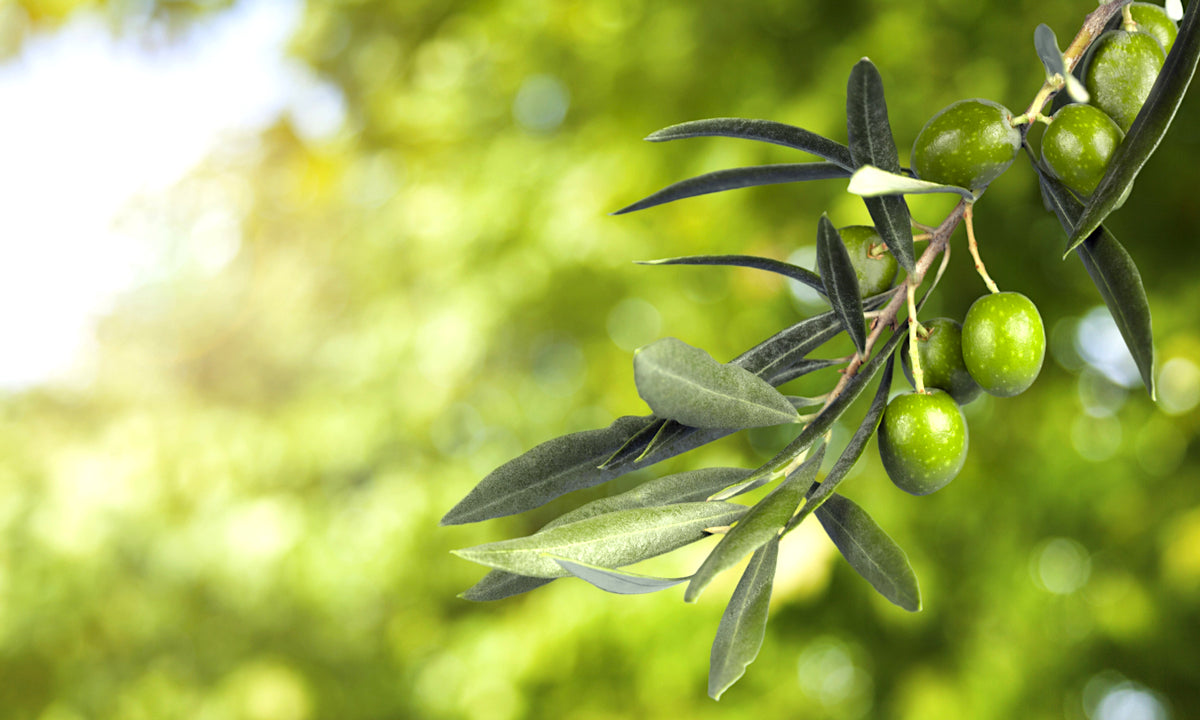
Cosmetic squalane can come from different sources. If plant origin matters to you, use the manufacturer's sourcing information rather than assuming the ingredient name identifies its origin.
Explore squalane versus squalene for the chemistry and oxidation evidence, or plant-derived squalane for sourcing and manufacturing.
Its most useful role is surface softness and spreadability. A cream can combine squalane with glycerin or hyaluronic acid and other ingredients that help limit moisture loss. Those complementary roles matter more than looking for the highest possible squalane percentage.
A squalane-containing moisturizer may be enough without a separate facial oil. Compare the formats in squalane oil versus squalane moisturizer. For the broader ingredient framework, see humectants, emollients and occlusives.
For specific needs, read squalane for dry skin and squalane for sensitive skin. Squalane versus hyaluronic acid separates emollience from water binding, while the ceramide comparison explains why squalane is not a replacement for organized barrier lipids.
A 2025 study examined squalane in cultured human dermal fibroblasts, including laboratory stress conditions. Cell findings can suggest research questions, but they do not show that a retail moisturizer prevents sun damage or produces the same changes in human facial skin.
Some clinical research has evaluated fullerene dissolved in squalane. Results from that combination cannot establish an equivalent benefit from plain squalane. Softer-looking dryness lines after moisturization are also different from proof of new collagen formation.
Our squalane guide for mature skin examines the cell study and the fullerene trial in more detail, separating surface comfort from clinical wrinkle claims.
Some people like a light squalane-containing formula, while others dislike the finish. A single ingredient cannot certify that every product containing it will be non-comedogenic for everyone. Nor does an oil-like texture prove that it will cause acne.
If you are treating breakouts, use the acne-prone moisturizer guide and keep the treatment plan separate from your choice of emollient. New clogged pores after introducing a moisturizing oil should not automatically be called purging.
See squalane for oily and acne-prone skin for comedogenicity, combination skin and how to assess new breakouts.
A squalane-containing cream can occupy the moisturizer step. A separate plain oil is optional; after moisturizer is a practical starting point when product directions do not specify otherwise. Morning or evening can work. Keep sunscreen separate, and let active-product instructions guide any retinol or acid routine.
Use the application guide for frequency and eye-area questions. Squalane with retinol covers that specific pairing, and the broader compatibility guide covers vitamin C, niacinamide, hyaluronic acid, peptides and exfoliating acids.
RevitAge™ Antioxidant Transforming Night Cream lists olive squalane with glycerin, dimethicone and niacinamide. It also contains sweet orange oil and retinyl palmitate. It is a possible evening moisturizer for someone who tolerates those ingredients, not a universal sensitive-skin recommendation.
For a formula without aromatic botanicals, compare the current ingredient lists in the face moisturizer buying guide. If a product stings or causes a rash, the fact that it contains squalane does not rule out a reaction to the formula.
For body use, consider whether you need an oil or a complete emulsion. The body oil versus lotion guide covers layering and when a separate oil is optional.
Use How to Choose the Best Squalane Product for Your Skin to evaluate source, texture, supporting ingredients, packaging and routine fit. Shelf-life and storage guidance explains why a stable ingredient does not give a finished formula unlimited life.
Compare squalane, jojoba and rosehip oil or squalane and hemisqualane when choosing an emollient. For the broader format decision, read face oil versus moisturizer, face oil versus serum and how to choose a face oil.
If you are choosing between a hydrating serum and an emollient, glycerin versus squalane explains the different jobs. The glycerin combination guide shows how both can fit within one moisturizing system.
Squalane's emollient role can complement a water-binding ingredient in the same moisturizer. Panthenol for dry and dehydrated-feeling skin addresses the B5 contribution. Dry-skin moisturizer selection helps avoid adding an oil or serum when a complete base is the missing step.
Urea with squalane and other moisturizing ingredients explains emollient softness alongside water-binding support. Plain oil does not replace every function of an emulsion, while a complete cream may already provide both roles. Urea selection helps decide whether another layer fills a real gap.
Squalane is an emollient rather than a glucan polymer. A moisturizer can use both as part of a broader moisture system, but separate ingredient research cannot prove a combination advantage. The beta-glucan partner guide explains those roles. The dryness guide helps decide whether additional hydration or more complete retention support is actually missing.
By Herbal Dynamics Beauty · Updated October 8, 2026.
Assess squalane within a complete dry-skin routine. Keep product-specific and prescription instructions first; an additional cosmetic step is optional.
For comparisons with other emollients, the oil and butter comedogenic reference explains why individual ingredient ratings are not guarantees for a complete product. Use tolerance and finished-formula evidence alongside the reference.