Your Cart is Empty


Urea and hyaluronic acid can both support hydration, but they have different chemistry and uses. Urea is a small NMF-related molecule that can also serve a keratolytic role in stronger preparations. Hyaluronic acid is a larger water-compatible polymer used in many hydrating textures. Choose the function and finished formula rather than declaring one ingredient the stronger moisturizer.
| Question | Urea | Hyaluronic acid |
|---|---|---|
| Ingredient identity | A small molecule naturally present in NMF. | A polysaccharide; cosmetic forms and molecular sizes vary. |
| Typical cosmetic job | Water binding, with keratin-softening use at suitable strengths. | Water-binding and formulation roles in hydrating products. |
| Rough thick scale | Some labeled preparations target keratolysis. | A hydration effect does not make it a targeted keratolytic. |
| Main label decision | Concentration, vehicle and intended body area. | Named form, formula, texture and intended purpose. |
The urea guide and the hyaluronic acid guide explain each ingredient in more detail. This comparison focuses on the different purchase decisions.
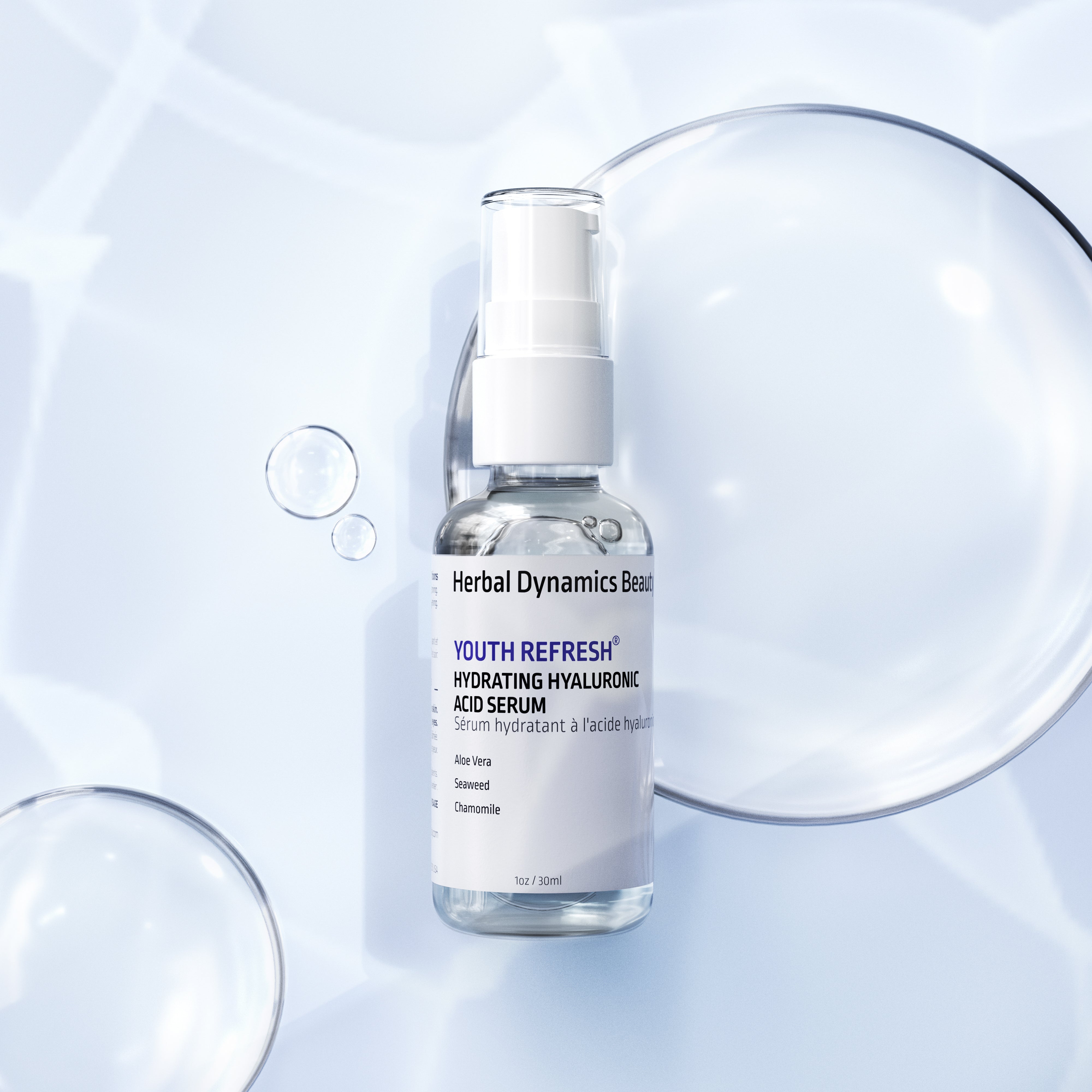
A light hyaluronic acid serum and a urea cream may feel different largely because of their bases. Comparing those products does not isolate the ingredients. Either can provide useful hydration within a formula that suits your skin, and either may need other moisturizing support.
If skin remains tight, look at emollients, occlusives and cleansing rather than repeatedly adding water-binding layers. Hyaluronic acid for dehydration and urea for dry or dehydrated skin develop the ingredient-specific options.
Some urea body and foot preparations are designed to soften thick scale. Hyaluronic acid is not a substitute for that particular keratolytic function. That difference does not mean all rough facial skin needs stronger urea; flakes can also reflect irritation.
Use urea and rough scale and the concentration guide before treating “smoothing” claims as equivalent. A face serum and a high-strength foot product are not alternatives for the same site.
Clinical studies of urea preparations have measured hydration and scaling, while NMF-enriched formulas have been compared with their vehicles. These studies were not a head-to-head trial against every hyaluronic acid product. They support the tested preparations rather than a universal ingredient ranking.
Hyaluronic acid molecular size and formulation introduce their own questions. The molecular-weight guide explains those choices without treating a water-holding claim as a direct comparison with urea.
A finished formula can be designed with multiple humectants, including urea and hyaluronic acid. Their presence together is not a reason to separate morning and night use. However, shared hydration roles do not mean you need two separate products.
If you use a light hydrating serum followed by a urea moisturizer, check the product instructions and comfort. An additional layer should fill an actual need. Urea combinations and routine placement explain the practical choices.
Facial urea guidance and urea tolerance guidance cover those boundaries. The urea selection guide helps evaluate the final product.
By Herbal Dynamics Beauty · Updated October 4, 2026.