Your Cart is Empty



Glycerin is one of skincare’s most useful humectants. It helps the stratum corneum hold water, supports comfortable flexibility and works in cleansers, serums and moisturizers. Its benefits come from the finished formula—not from applying undiluted raw glycerin.
Glycerin, also called glycerol, is a small colorless polyol used as a humectant, solvent and sensory ingredient. It may be plant-derived, animal-derived or synthetic; the molecule is the same once purified. Source preferences are separate from cosmetic function.
Both are humectants. Glycerin is smaller and has extensive moisturization literature; hyaluronic acid is a polymer that can form a hydrating film and influence viscosity. Neither ingredient name alone predicts a product’s performance.
Read the direct hyaluronic acid vs. glycerin comparison.
Yes, especially in a moisturizer that also contains emollient or occlusive ingredients. Dry skin often needs more than water-binding support, so a glycerin serum alone may not be enough. Apply moisturizer soon after cleansing and avoid harsh washing habits.
Glycerin is not an oil and can fit lightweight gel products. Whether a finished product causes breakouts depends on the complete formula and individual response. Introduce one new product at a time rather than relying on a single “noncomedogenic” ingredient.
It is widely used and generally well tolerated, but concentration and vehicle matter. Undiluted DIY glycerin can feel sticky and is difficult to formulate safely. Choose a preserved cosmetic product and stop if you develop persistent burning or rash.
For concern-specific choices, see glycerin for dry and dehydrated skin, oily and acne-prone skin and sensitive-skin tolerance.
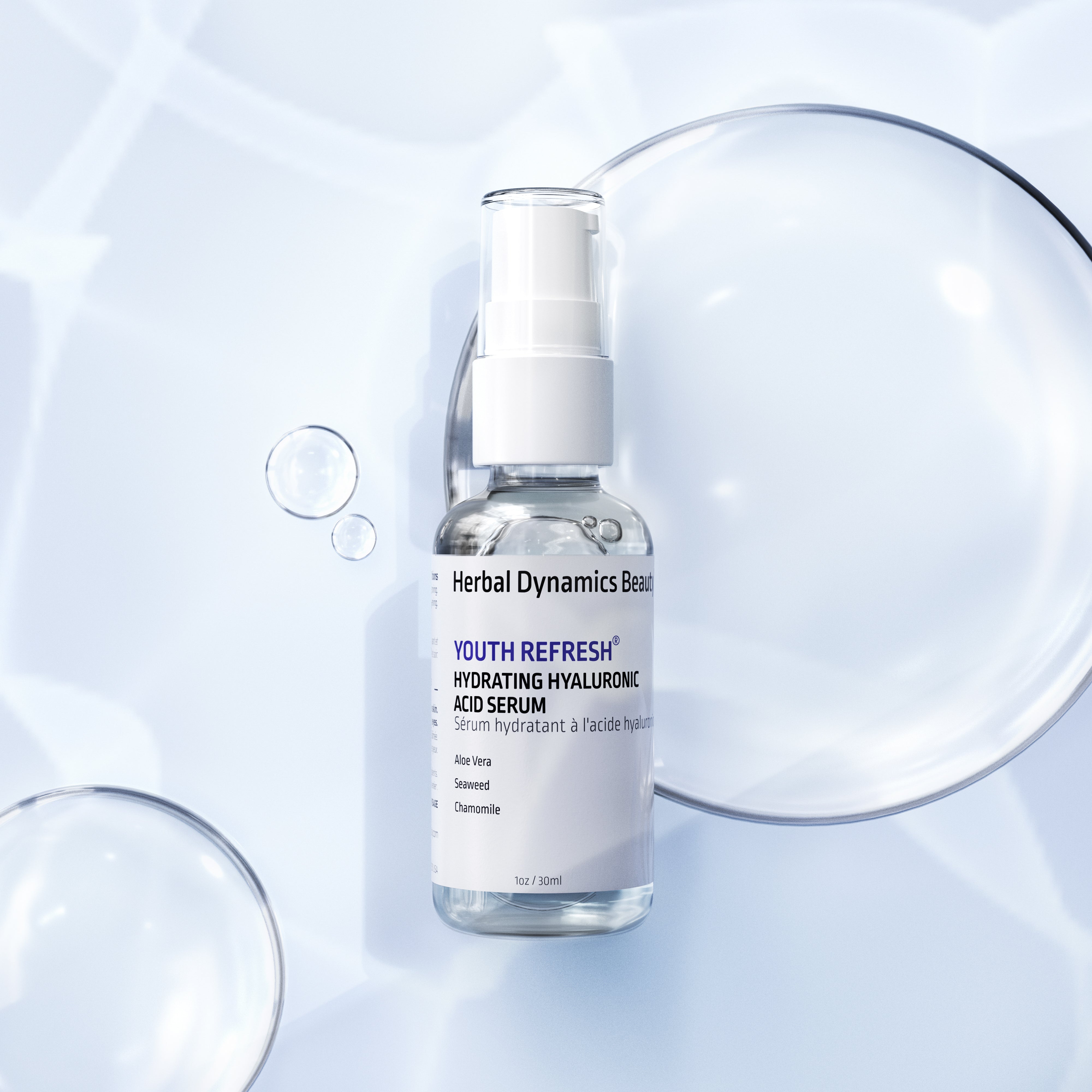
Youth Refresh® Hydrating Hyaluronic Acid Serum combines vegetable glycerin with hyaluronic acid and sodium PCA. It illustrates why formulators often use more than one humectant.
The daily-use and layering guide explains morning versus evening use, amount and raw-glycerin cautions. The glycerin product-selection guide compares cleanser, toner, serum and moisturizer formats.
Glycerin does not permanently erase wrinkles, cure eczema or replace sunscreen. It is a hydration ingredient with meaningful but appropriately limited cosmetic benefits.
Glycerin has three hydroxyl groups that can interact with water. Its small, water-compatible structure makes it useful in the outer skin layer and in the water phase of cosmetic formulas. Laboratory studies of human skin outside the body have examined its retention and transport, but those models do not establish a guaranteed duration of benefit from every serum.
A small human study of a 20% glycerin cream found increased hydration without demonstrating improved transepidermal water loss. In an experimental irritation study, hydration also improved without full recovery of the barrier measurement. Glycerin’s moisturizing role therefore should not be presented as proof that any glycerin product repairs the barrier or treats a skin disease.
Read glycerin, hydration and TEWL for study limitations and how glycerin can complement ceramides in a moisturizer.
No evidence shows that purified vegetable glycerin hydrates better solely because of its source. Brands may choose a plant source for sourcing or labeling reasons. Purity, concentration and the complete formula determine cosmetic performance.
Yes, when it is part of a tolerated finished product. It appears in many daily cleansers and moisturizers. If a glycerin-rich serum is sticky, use less or switch to a product with a different texture rather than adding more layers.
A useful moisturizer can pair glycerin with emollients and ingredients that reduce moisture loss. The face moisturizer guide explains the combination, while the buying guide provides formulation criteria. You do not need a separate glycerin serum if your cream already supplies comfortable hydration.
In body lotion, glycerin is one part of a complete moisturizing system. Use the body moisturizer guide for ingredient combinations and very dry body-skin choices for purchasing decisions.
Glycerin can contribute a humectant role within a PDRN product’s moisturizing base. An immediate hydrated feel cannot isolate the DNA-derived ingredient’s effect from that base. The PDRN hydration guide explains why humectants and PDRN are different categories. PDRN selection criteria encourage evaluating the whole formula and its testing, rather than assigning every comfortable surface change to the highlighted active.
Choose the question that matches your next decision. Each guide focuses on a different part of using glycerin well.
| Your question | Read next |
|---|---|
| Does more glycerin work better? | Concentration, ingredient labels and sticky textures |
| Does it work in dry air? | Glycerin in low humidity |
| What happens when you rinse it off? | Glycerin in cleansers and glycerin soap |
| How do moisturizer ingredients differ? | Humectants vs. emollients vs. occlusives |
| Which ingredients can pair with it? | Glycerin combinations, including niacinamide and Centella |
| How does it compare with urea? | Hydration, roughness and concentration |
| How does it compare with panthenol? | Hydration and barrier evidence |
| How does it compare with beta-glucan? | Chemistry and material-specific evidence |
| How does it compare with squalane? | Water binding versus emollient softness |
The dryness-with-age guide connects water binding to a complete moisturizer. Mature-skin education explains why surface comfort differs from structural wrinkle correction.
The glycerin-versus-Panthenol comparison covers their overlapping water-binding roles. For the B5 side of a purchase, Panthenol product selection checks the complete base, other ingredients and the need it fills.
Urea for skin develops the ingredient behind the glycerin–urea comparison. Urea concentration can shift the balance of hydration and keratin softening; glycerin’s presence in a formula does not remove those area-specific directions. Natural Moisturizing Factor explains why one water-binding ingredient is not a complete barrier system.
Glycerin’s small-molecule humectant role differs from beta-glucan’s source-dependent polymer behavior. A formula may use both without proving that the combination is more effective than a relevant alternative. The existing ingredient comparison explains the chemistry. Beta-glucan combination guidance adds the moisturizer-system question so a shared label does not become a reason to collect duplicate layers.
Combine water-binding ingredients and moisturizer in a full hydration routine. Keep product-specific and prescription instructions first; an additional cosmetic step is optional.
For a dry-skin formula decision, the moisturizer selection guide evaluates the complete water-binding, emollient and water-loss-reducing system. No single NMF component is a requirement for every product.
By Herbal Dynamics Beauty · Updated October 5, 2026.
Commercial disclosure: Herbal Dynamics Beauty publishes this guide and sells the Herbal Dynamics Beauty products mentioned. Ingredient research does not establish clinical results for these finished products.