Your Cart is Empty


Dry skin and dehydrated skin are related but not identical. Dry skin can involve reduced water content and changes in barrier lipids; “dehydrated skin” is a cosmetic description for low water content in the outer layer. You can have oily, combination or dry skin and still be dehydrated.
| Dry skin | Dehydrated skin | |
|---|---|---|
| What it lacks | Often both water and adequate barrier support | Water in the stratum corneum |
| Common feel | Rough, flaky, itchy or persistently tight | Temporarily tight, less supple or papery |
| Can look oily? | Less commonly, though products vary | Yes—oiliness does not prevent dehydration |
| Helpful product types | Emollient/occlusive moisturizer, gentle cleanser | Appropriate moisturizer; a humectant serum is optional |
| Typical triggers | Climate, genetics, age, harsh cleansing, skin disease | Over-cleansing, dry air, irritation, insufficient moisturization |
These signs overlap and cannot diagnose eczema, contact dermatitis or another condition. Persistent rash, painful cracks, oozing or significant itch deserves medical care.
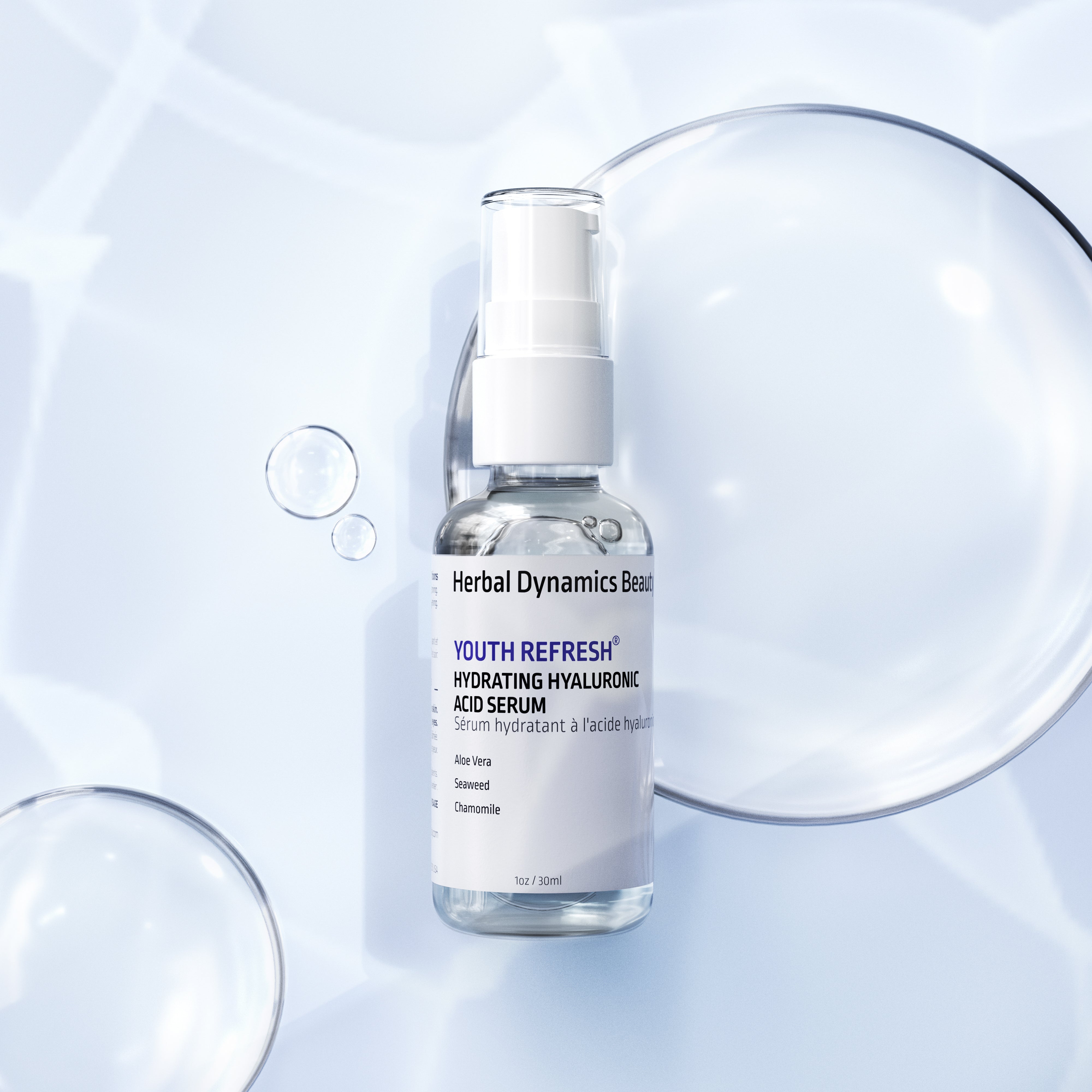
Hyaluronic acid binds water near the surface and can improve temporary suppleness. It does not replace barrier lipids. Read HA for dehydrated skin or HA for dry skin for the routine that matches your concern.
Systemic dehydration is a medical issue, but drinking extra water is not a substitute for treating a disrupted skin barrier. Normal hydration supports health; skincare still needs to address cleansing, environment, irritation and moisturization.
A disrupted lipid barrier lets water escape more easily, so dry skin is often dehydrated too. Oily skin can also become dehydrated after aggressive cleansing or acne treatment. That is why the same visible flake does not identify the underlying skin type.
| Job | Examples | Best use |
|---|---|---|
| Humectant | Glycerin, hyaluronic acid, sodium PCA | Add water-binding support |
| Emollient | Squalane, fatty alcohols, plant oils | Smooth rough, dry texture |
| Occlusive | Petrolatum, dimethicone, waxes | Slow evaporation |
| Barrier lipid | Ceramides, cholesterol, fatty acids | Support the lipid matrix |
Squalane for dry skin shows how one emollient can contribute softness without supplying every moisturizing function. Squalane versus hyaluronic acid helps separate an oil-based softening step from a water-binding one.
Cold air, indoor heating, air conditioning, long hot showers and frequent hand or face washing can all worsen water loss. Retinoids, benzoyl peroxide and exfoliating acids may also cause dryness or irritation, especially when several are started together.
No. Skin-turgor tests are used by clinicians in specific medical contexts and do not reliably diagnose cosmetic facial dehydration at home. Use routine response and professional evaluation when symptoms are persistent.
Dehydration can coexist with oiliness; that is not proof of a universal rebound-oil response. Use a comfortable acne-prone moisturizer and a tolerable acne routine. The acne overview explains why hydration support alone does not address every cause of acne.
Before exfoliating flakes, review the dry-skin exfoliator guide and signs of over-exfoliation. Comfortable surface roughness and an irritated barrier require different choices.
The best moisturizer for dehydrated skin combines water-binding ingredients with a finish suited to your underlying skin type. A light lotion may suit an oily face, while dry cheeks may need a cream. Compare daily moisturizer formulas and use the moisturizer ingredient guide to evaluate them. For primarily dry, flaky skin, the dry-skin buying guide provides more focused choices.
Oiliness can coexist with uncomfortable dryness. Use hydrating cleanser selection and the post-cleansing tightness guide rather than choosing by shine alone.
Choose an optional mask by the current concern using hydrating masks for dryness or clay masks for comfortable oily areas. One face does not need the same application everywhere.
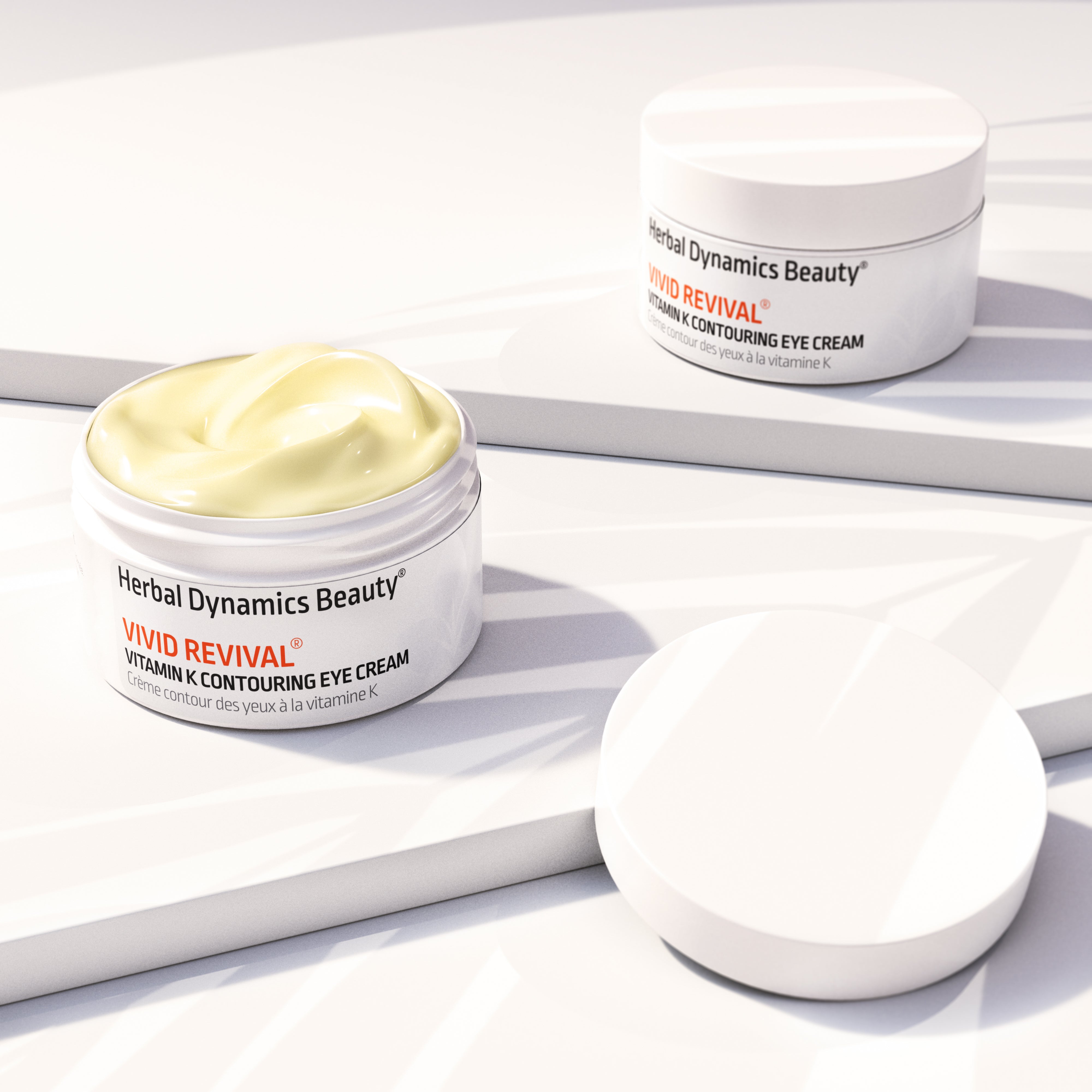
If dryness is concentrated around the eyes, use the under-eye care guide.
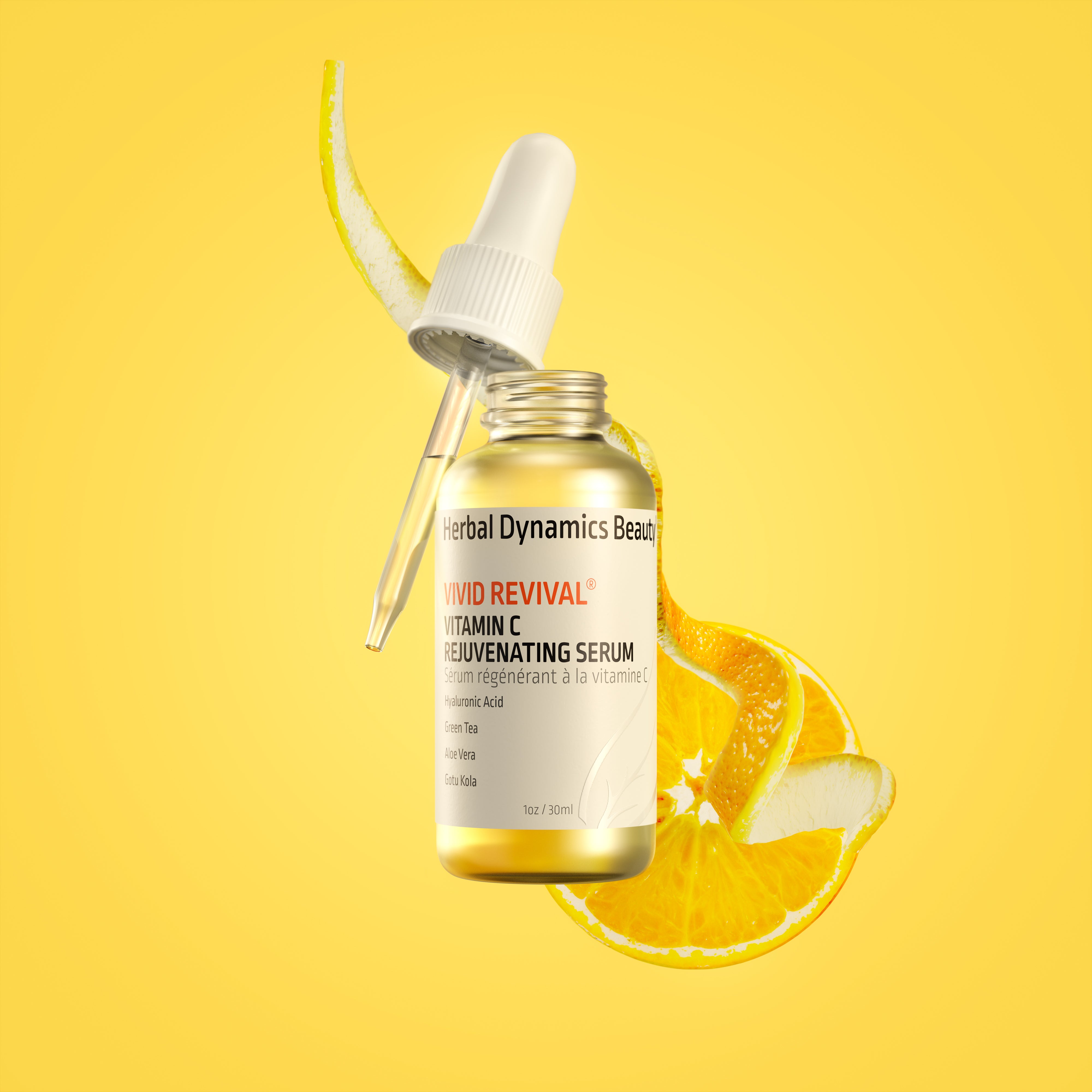
Use hydrating serums for dehydrated skin for water-binding formula choices and serums for dry skin when a sufficient moisturizing base is central. Serum versus moisturizer helps decide whether another bottle is necessary.
| Description | What it tells you | What it does not diagnose |
|---|---|---|
| Dry | Roughness, low suppleness or a need for richer moisturizing support | A specific missing lipid |
| Dehydrated | Low water content is part of the cosmetic concern | Systemic dehydration from facial appearance |
| Sensitive | Products or exposures cause discomfort easily | Whether the cause is allergy, rosacea or irritation |
| Barrier-impaired | The protective system is not functioning normally | The cause or severity from a mirror test |
These patterns can overlap. Read the skin-barrier overview rather than treating them as mutually exclusive skin types. If moisturizer stings, assess irritation instead of endlessly adding hydration.
Dryness can coexist with sensitivity. Use the sensitive-skin guide when products also sting or itch, and moisturizer selection to match texture without adding unnecessary treatments.
For a focused ingredient application, glycerin for dry and dehydrated-feeling skin explains water-binding support, tightness and why a serum may still need a more complete moisturizer.
When B5 is the ingredient under consideration, Panthenol for dry and dehydrated-feeling skin explains its water-binding and conditioning role. Panthenol serum versus moisturizer connects that role to the complete product format.
A beta-glucan label does not tell you whether the product supplies enough moisture care for tight or flaky skin. A serum may add a light layer while a moisturizer provides broader retention support. The beta-glucan concern guide applies that distinction. The format comparison helps choose the step without changing this article’s broader dry-versus-dehydrated ownership.
If a separate water-binding layer still adds value, the HA serum comparison helps assess the complete formula. A hydrating serum and the emollient or water-loss-reducing support of a moisturizer fill different roles.
By Herbal Dynamics Beauty • Updated October 5, 2026
Use the step-by-step dehydrated-skin routine after identifying the need. Keep product-specific and prescription instructions first; an additional cosmetic step is optional.