Your Cart is Empty


Facial toner is an optional liquid skincare step, usually applied after cleansing and before serum or moisturizer. Its benefits depend on the formula: a toner may add hydration, exfoliate or temporarily change how oily skin feels. You do not need one simply to complete a routine, close pores or make every later product work.
| Toner type | Potential purpose | Main limitation |
|---|---|---|
| Hydrating | Adds humectants such as glycerin or hyaluronic acid | May duplicate an existing serum or moisturizer |
| Exfoliating | Uses ingredients such as glycolic, lactic or salicylic acid | Adds an active step that can increase irritation |
| Astringent | Changes surface oil or tightness temporarily | Does not permanently shrink pores or reset sebum production |
| Botanical or antioxidant | Adds ingredients such as aloe or CoQ10 | The full formula and finished-product evidence determine its benefits |
The first decision is hydration versus exfoliation. A botanical name or a watery texture does not tell you whether a product exfoliates. For shopping priorities, start with the facial-toner buying guide.
A gentle cleanser, suitable moisturizer and sunscreen can form a complete basic routine. Add treatment for a specific concern when needed. Toner earns a place only if it adds a useful benefit without irritation or unnecessary repetition.
If washing consistently leaves skin tight or burning, reassess the cleanser and technique. Toner should not be used to compensate for repeated irritation. Modern gentle cleansing does not create a universal requirement for a separate pH-restoring step; see whether toner balances skin pH and the skin-pH explanation.
The American Academy of Dermatology cautions against irritating toners and astringents during acne care. Count an exfoliating toner when assessing the total active ingredients in a routine.
| Your situation | Useful decision | When to skip the extra step |
|---|---|---|
| Skin feels tight after washing | Review the cleanser formula and washing technique first. A humectant toner is optional after comfortable cleansing. | A toner will not compensate for repeated cleansing irritation. |
| Comfortable skin, but makeup sits on dry patches | Check the moisturizer and consider a hydrating layer only if it adds comfort. | A tolerated serum and moisturizer may already do the job. |
| Fine lines look more visible when skin is dry | Use hydration and texture criteria in the mature-skin toner selection guide. | Do not add toner to pursue a collagen-rebuilding claim. |
| You already use retinol or an exfoliating acid | Count an exfoliating toner as another active and review total frequency. | Skip it if the routine is already irritating; watery texture does not make an acid inactive. |
Introduce one optional product at a time. Judge comfort and whether it fills a real gap, rather than collecting toner, essence and serum categories that repeat the same job. If you cannot identify the added benefit, keep the simpler routine.
Daily use is a possibility for a tolerated hydrating formula, not a requirement for every toner. Exfoliating formulas need their own frequency and active-ingredient review. See the full order, frequency and application guide.
Rose water is used in refreshing facial products, but it is not automatically a cleanser, acne medicine or treatment for redness. Learn how to use rose water, whether it suits dry or sensitive skin, how rose water differs from flower oil and extract, and how it compares with rosehip oil.
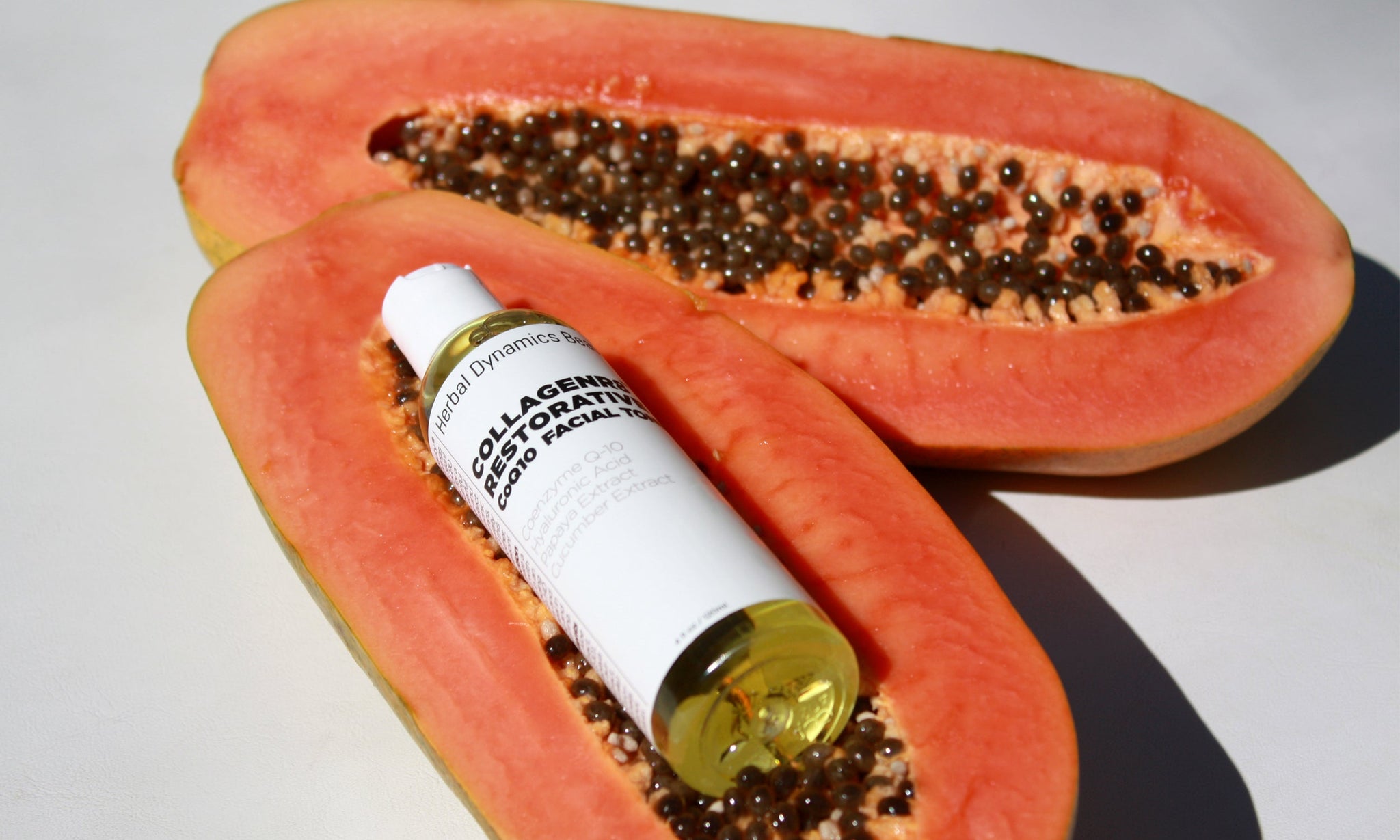
CoQ10 research concerns particular preparations and endpoints. Herbal Dynamics Beauty CollagenR8® Restorative CoQ10 Facial Toner is a currently available option containing aloe, hyaluronic acid and ubiquinone. It is an optional cosmetic layer, not evidence that toner rebuilds dermal collagen. Read the CoQ10 toner formula guide before choosing it.
Other ingredient guides explain witch hazel and alcohol, aloe vera and chamomile and allergy considerations. Botanical ingredients can cause reactions.
If CoQ10 is the reason you are shopping, the CoQ10 product-selection guide compares formula evidence and routine fit. CoQ10 toner versus serum and moisturizer helps decide whether a separate toner is the format you want.
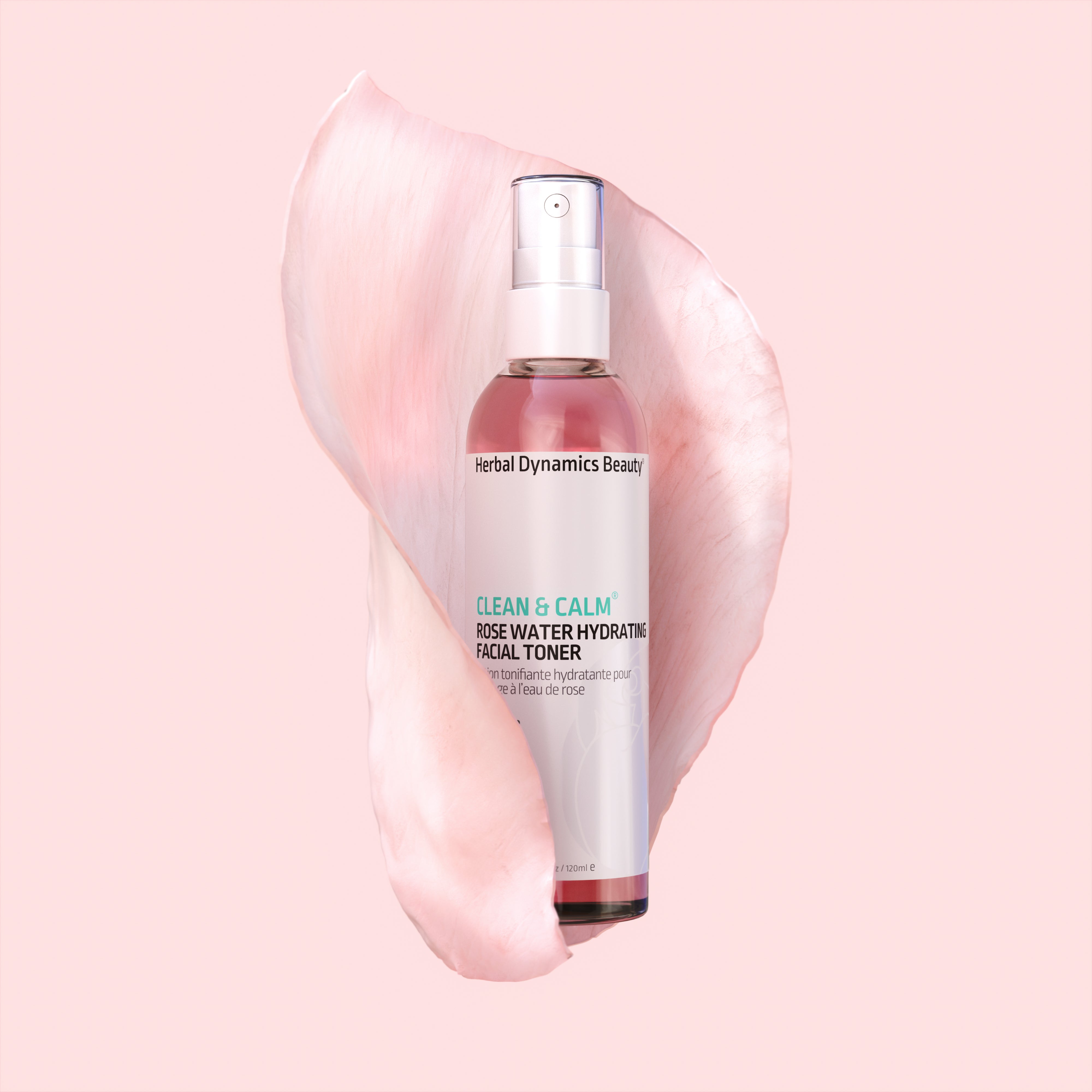
The HDB rose-water toner is another current option, but its ingredient list includes Alcohol and rose/chamomile oils. It should not be described as alcohol-free or fragrance-free, and it is not a default recommendation for reactive skin. Compare the complete formula with the hydrating-toner criteria and choose it only when its texture and ingredients suit your tolerance.
Toner generally does not replace cleansing, moisturizer or sunscreen. Micellar water has a cleansing role; a face mist describes a spray format; and toner, essence and serum categories can overlap. Choose by the function you need instead of buying every category.
For extra hydration, follow the existing hyaluronic acid guide. For ongoing stinging or peeling, use the skin-barrier guide and seek appropriate care if symptoms persist.
Toner follows appropriate cleansing when you choose to use it. See what facial cleanser does and cleansing and routine order; toner is not a substitute for a makeup remover.
Toner, essence, serum and ampoule may overlap in function. Use the layering guide for product-specific order and the serum overview to decide whether another step is useful.
See where optional toner fits in the complete routine. Keep product-specific and prescription instructions first; an additional cosmetic step is optional.
Botanical names describe different materials. Rose water and rosehip oil are not interchangeable. A toner remains optional, and a fragranced botanical formula should be chosen for tolerance rather than assumed to be appropriate for every skin type.
After using the selection guide to check formula fit, you can browse HDB toner formulas. The category name is a browsing aid; review each complete ingredient list and intended use before choosing a product.
Updated October 11, 2026. General skincare education.