Your Cart is Empty


The best facial toner is one that supplies a useful function your routine is missing without causing irritation. Dry skin may prefer a humectant formula, oily skin may need less aggressive skincare, and sensitive skin may do best without toner. There is no single best bottle for every face.
| Your priority | Formula to consider | Important tradeoff |
|---|---|---|
| Dry, dehydrated or dull skin | Humectants such as glycerin or hyaluronic acid | Add moisturizer; more watery layers do not guarantee lasting comfort |
| Sensitive skin | Fragrance-free, non-exfoliating formula that avoids known triggers | Skip toner during active irritation |
| Mature skin | Comfortable hydration, with optional antioxidant ingredients | A toner does not establish collagen rebuilding |
| Oily or acne-prone skin | A tolerated light hydrator, or a clearly labeled active only when needed | Avoid repeating drying acids across the routine |
| Combination skin | Light hydration with application adjusted by zone | The cheeks may not tolerate the same steps as the T-zone |
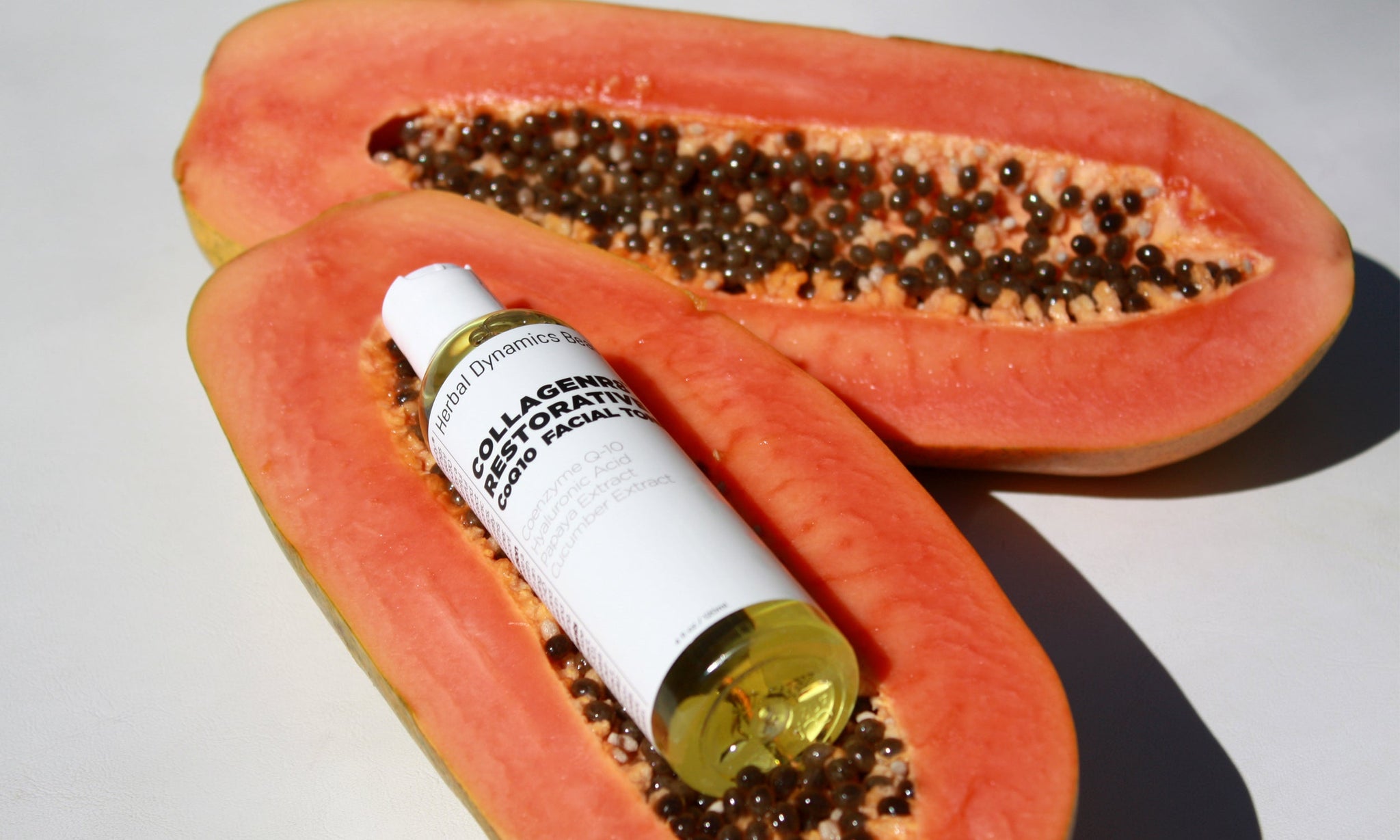
CollagenR8® Restorative CoQ10 Facial Toner is currently available. Its ingredient list includes aloe, hyaluronic acid, papaya, orange flower, chamomile, cucumber and sage extracts, ubiquinone, ethylhexylglycerin and astaxanthin. Consider it if you want a light cosmetic hydration step and already tolerate botanical formulas.
It is not our default recommendation for every reactive face. Botanical sensitivity remains possible, and no finished-product study is being presented here to establish wrinkle reduction, collagen rebuilding or acne treatment. Papaya extract alone does not establish an exfoliating strength. See the full CoQ10 toner assessment.
For an ingredient-led purchase, use the CoQ10 selection guide alongside the CoQ10 evidence overview. A toner should meet your skin and routine needs as a complete formula.
For a hydration-focused toner, look for humectants such as glycerin or sodium hyaluronate. Niacinamide or ceramides may also appear, but they are not requirements for every routine. If fragrance or fragrant botanicals trigger your skin, exclude them. A hydrating label does not rule out an individual reaction.
Choose by ingredient fit, comfort and the job the toner adds. If cleanser, moisturizer and sunscreen already meet your needs, a toner is optional. Evaluate a new formula on its own before adding another active step.
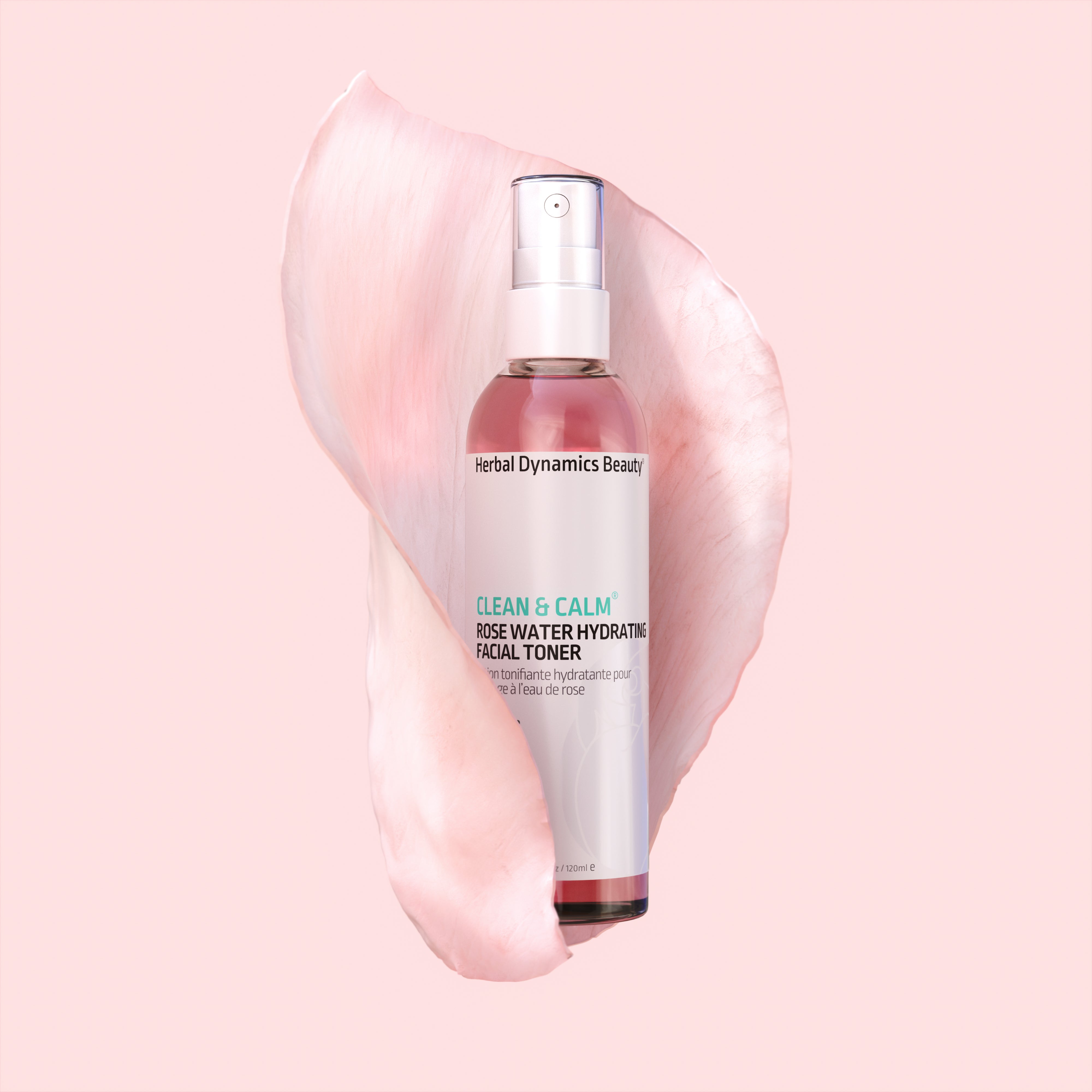
Clean & Calm® Rose Water Hydrating Facial Toner remains out of stock as of September 20, 2026, so it is not included as an immediately available purchase. Its current formula contains alcohol, rose flower oil and other botanicals alongside humectants. It should not be treated as pure hydrosol or a universal sensitive-skin choice.
Rose-water benefits and rose water for dry or sensitive skin explain how to evaluate the category.
“Glow” can mean a smoother-looking hydrated surface, less dullness or a change in uneven tone. Those are different goals. If skin is dry or tight, start with hydration and moisturizer. If you want exfoliation, review hydrating versus exfoliating toner and the other active products you already use. More exfoliation is not automatically a better route to radiance.
Fragrance-free does not mean allergy-proof, and “natural” does not establish gentleness. Sunscreen, moisturizer and needed treatment take priority over completing a toner step.
For an overview, read what facial toner does. Once you have chosen a suitable formula, use the toner order and frequency guide.
For buying decisions beyond toner, see Best Skincare for Sensitive Skin. It prioritizes the essential routine before optional hydrating or exfoliating steps.
Updated September 20, 2026. General skincare education.