Your Cart is Empty


Centella asiatica, often called cica or gotu kola, is a botanical used in moisturizing and soothing skincare. Small human studies support potential hydration benefits in specific formulas. It is not a proven cure for eczema, rosacea or a damaged barrier, and a “cica” label does not guarantee a non-irritating product.
| Label term | What it means | Important distinction |
|---|---|---|
| Centella asiatica extract | An extract of the plant | Composition depends on plant material and extraction |
| Cica | A common cosmetic shorthand | Not a standardized percentage or formula |
| Madecassoside or asiaticoside | Particular plant-associated triterpene compounds | An isolated constituent is not identical to a whole extract |
| Gotu kola | Another common name for Centella asiatica | Not the same plant as ginseng or ginkgo |
Madecassoside and asiaticoside are triterpene glycosides; madecassic acid and asiatic acid are related aglycones. A whole extract does not necessarily disclose how much of each compound it supplies. See the Centella compound guide and the dedicated madecassoside guide for the chemistry and evidence.
The word “acid” in these triterpene names does not make them equivalent to AHA or BHA exfoliants.
A 2016 cosmetic-formulation study followed 25 volunteers using Centella-containing preparations on their forearms over four weeks. It measured surface hydration, TEWL and a controlled irritation model. The findings support further interest in those formulations, not a guaranteed result from every cica product or proof of treatment for a skin disease.
The study setting matters: an experimentally induced response on a forearm is not the same as facial rosacea, allergic dermatitis or an open wound. Laboratory antioxidant or wound-repair findings should not be turned into promises of scar removal or permanent wrinkle correction.
A 2025 observational study evaluated a cream combining Centella, ceramide NP and panthenol. Its findings concern that formula; there was no separate control group. Madecassoside cell experiments and research after laser resurfacing ask different questions and must not be converted into ordinary cosmetic wound-healing claims.
Someone with ordinary dryness who likes a Centella-containing moisturizer may find it a useful conditioning option. Sensitive-feeling skin should judge the entire formula: fragrance, essential oils, other actives and personal allergy history may matter more than the featured plant.
There is no requirement to use Centella during recovery. If a bland moisturizer already feels comfortable, adding a new botanical can introduce another variable rather than solve a missing need.
Use the focused guides for Centella and redness-prone skin, Centella in barrier care and Centella for blemish-prone skin to match the evidence to your concern.
Our barrier-care routine explains why the number of steps matters less than tolerance. Stinging after moisturizer deserves attention even when the product says “soothing.”
The Centella routine guide covers morning versus night, daily use and realistic timing. A product that causes continuing discomfort should be reassessed; see Centella reactions, breakouts and irritation.
Centella can be part of a formula with ceramides or panthenol; these ingredients serve different roles. Pairing is not proof of synergy in every product. If your skin is actively irritated, use the active-ingredient decision guide before adding a vitamin C or retinol step.
The compatibility guide covers ceramides, panthenol, hyaluronic acid and green tea. Dedicated guides explain Centella with niacinamide and Centella around retinol or exfoliating acids.
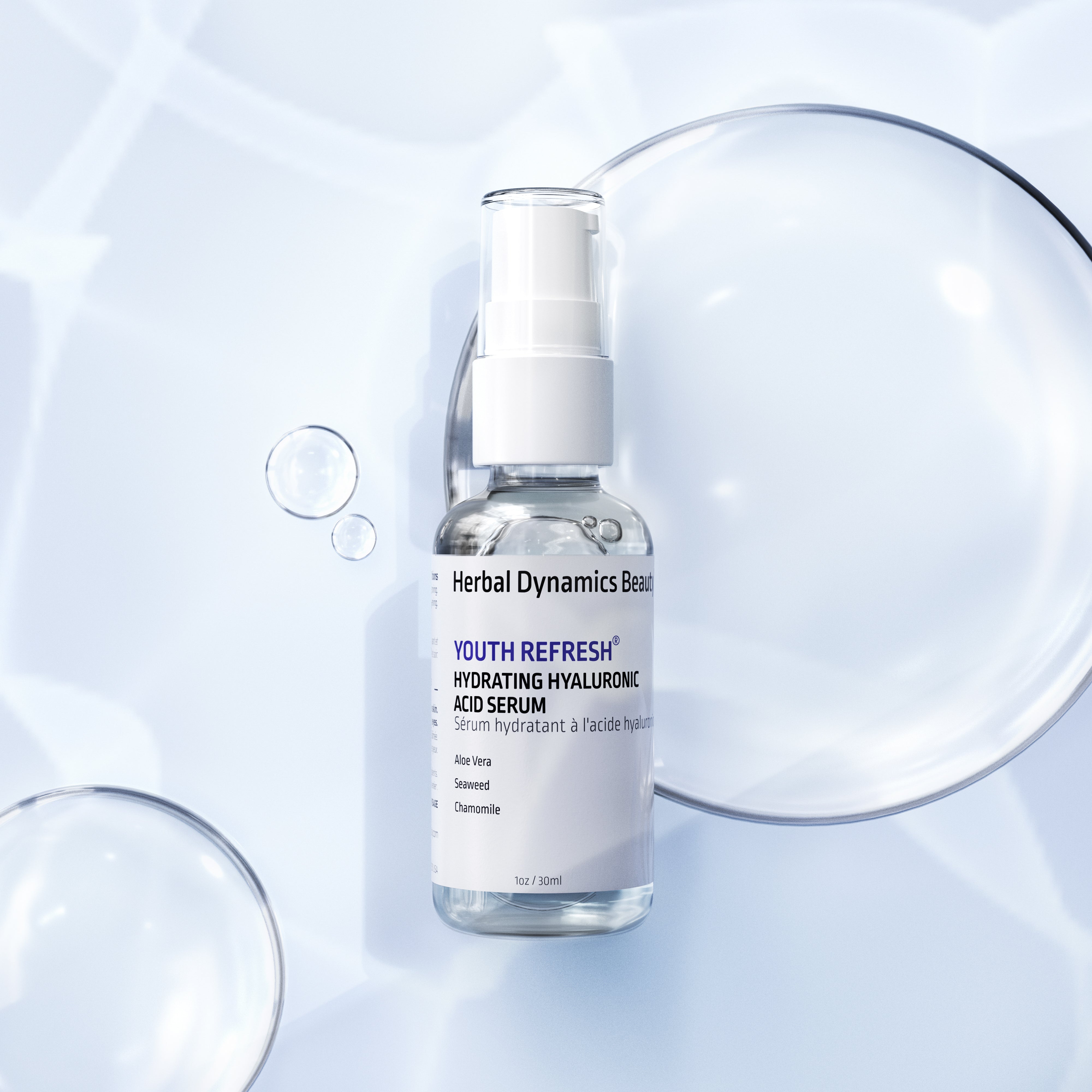
Youth Refresh® Hyaluronic Acid & Oat Overnight Recovery Mask lists Centella asiatica extract and panthenol among its ingredients. It also contains aromatic botanicals, including frankincense oil and rose geranium hydrosol, so it is not the default recommendation for an actively burning or allergy-prone face.
This is ingredient-list context, not evidence that the finished mask reproduces the study above. Use only if the complete formula is appropriate for you and follow its directions.
Use the sensitive-skin guide to decide whether another ingredient is needed. The serum buying guide compares hydration and optional treatment goals. A cica label does not remove the need to check fragrance and aromatic ingredients in the same formula.
Use How to Choose the Best Centella Asiatica Skincare Product for Your Skin to compare a serum, toner, cream or area-specific formula. Read Centella extract percentages and formulation before treating a larger number as proof of a stronger product.
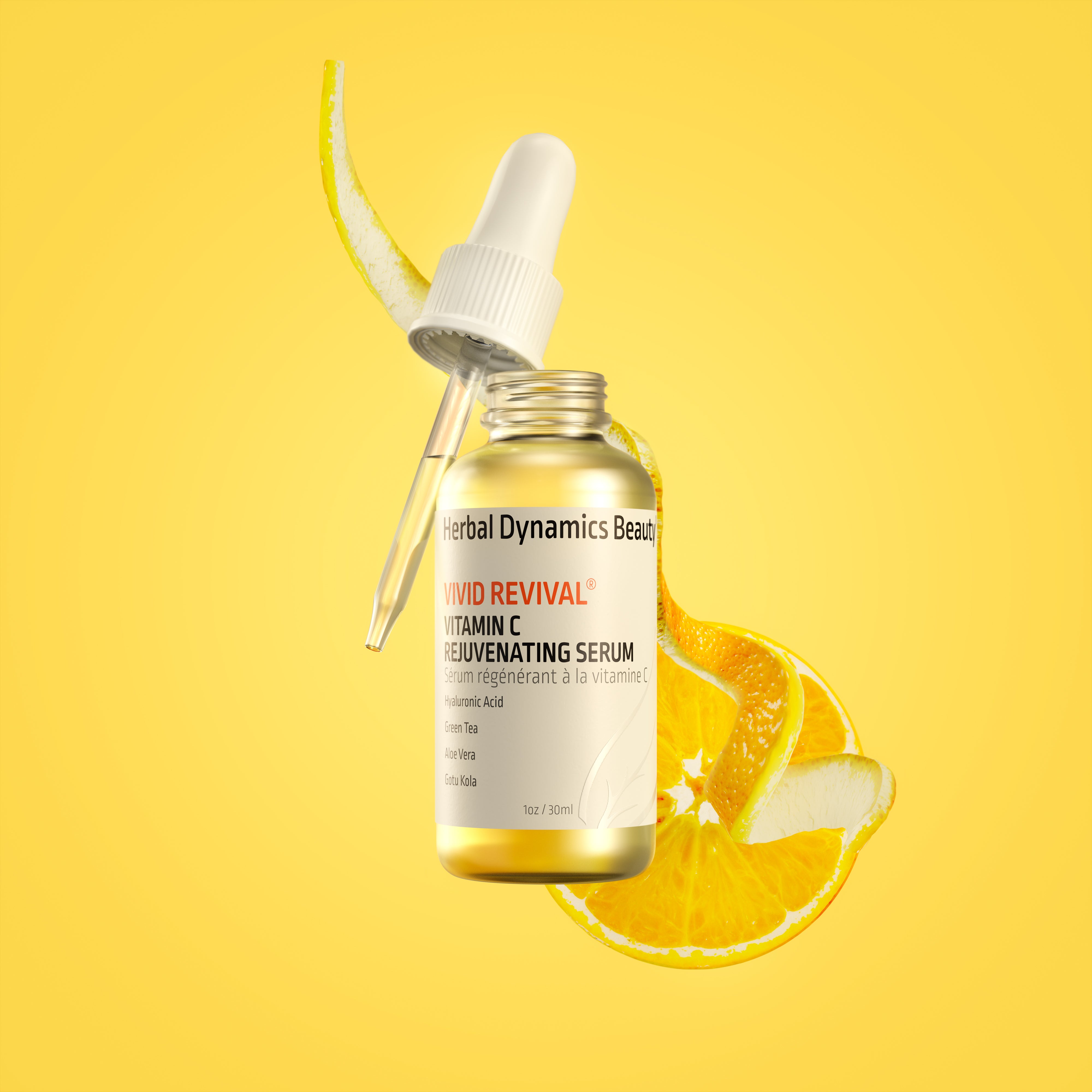
For another verified formula example, Vivid Revival® Vitamin C Rejuvenating Serum lists Centella alongside ethyl ascorbic acid, green tea, hyaluronic acid, glycerin and dexpanthenol. It is an antioxidant and hydration formula; its ingredient list is not a clinical test of Centella alone.
These comparisons explain different roles and evidence. They do not establish a universally superior ingredient.
Glycerin often supplies the humectant role in formulas that also contain Centella. See glycerin ingredient combinations for the pairing and the glycerin guide for its separate hydration evidence.
By Herbal Dynamics Beauty • Updated October 1, 2026
Commercial disclosure: Herbal Dynamics Beauty publishes this guide and sells the Herbal Dynamics Beauty products mentioned. Research citations are provided for education and do not imply that the researchers endorse our products. Ingredient studies are not clinical tests of these finished formulas.
Consider botanical products within a tolerance-led sensitive-skin routine. Keep product-specific and prescription instructions first; an additional cosmetic step is optional.