Your Cart is Empty



Quick answer: Topical antioxidants can help neutralize reactive oxygen species at the skin surface and support formulas designed for environmental stress. Vitamin C is among the best studied, while botanical antioxidants vary widely in concentration, stability and human evidence. Antioxidants do not replace sunscreen.
Reactive oxygen species form through normal metabolism and increase with ultraviolet exposure, pollution and other stressors. When antioxidant defenses are overwhelmed, these molecules can affect lipids, proteins and DNA. Skin has its own antioxidant network; topical products aim to supplement surface protection.
| Ingredient class | Why it is used | Evidence caveat |
|---|---|---|
| Vitamin C | Water-soluble antioxidant, collagen cofactor and tone support | Unstable forms require careful formulation |
| Vitamin E | Lipid-soluble antioxidant | Performance depends on form and combination |
| Green tea polyphenols | Antioxidant and soothing research | Extract standardization and finished formulas vary |
| Grape-derived polyphenols | Antioxidant activity in laboratory research | Topical human data may be limited |
| Centella compounds | Soothing and antioxidant-related research | Extract composition varies |
An ingredient can test well in a laboratory yet fail in a cosmetic if it degrades, cannot reach the relevant layer or is present at an ineffective level. Packaging, pH, solvents and interaction with other antioxidants all matter. For vitamin C specifically, see the complete vitamin C guide.
Antioxidants may complement photoprotection, but they do not create a tested SPF or replace broad-spectrum sunscreen, shade or protective clothing. Apply sunscreen as the final morning skincare step.
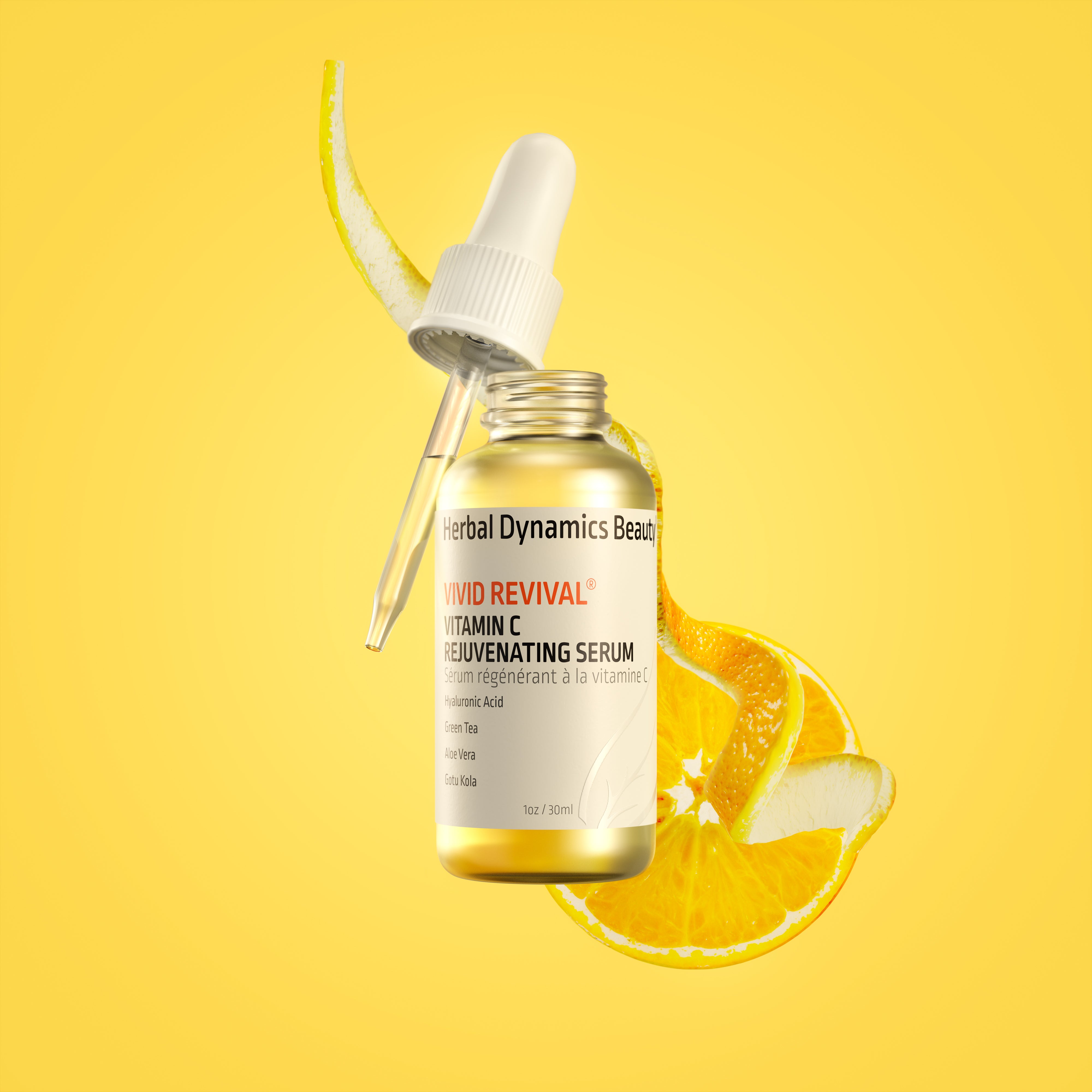
Vivid Revival® Vitamin C Rejuvenating Serum combines ethyl ascorbic acid with green tea and grapeseed extracts, plus hyaluronic acid, aloe, glycerin and centella asiatica. It is best understood as a multi-ingredient antioxidant and hydration-support formula—not proof that any one botanical produces a clinical outcome.
A balanced diet supplies vitamin C and other nutrients for normal physiology. Applying a topical serum is a separate route with different evidence. High-dose supplements should not be taken for a cosmetic goal without medical advice.
CoQ10 versus vitamin C, CoQ10 versus vitamin E and CoQ10 compared with resveratrol and green tea distinguish chemistry from finished-formula evidence. When CoQ10 is the ingredient you want, use the CoQ10 selection guide to evaluate a product without ranking antioxidants universally.
CoQ10 is another antioxidant-related cosmetic ingredient. Research on selected topical Q10 preparations supports delivery and antioxidant effects, which should not be generalized into a promise that any CoQ10 product rebuilds collagen.
CollagenR8® Restorative CoQ10 Facial Toner offers an optional hydrating and skin-conditioning step containing Ubiquinone, hyaluronic acid and aloe. Review the full formula if sensitive to botanicals. It is not a sunscreen or a peptide serum.
Use the CoQ10 ingredient guide for the study limits, photoaging protection for UV prevention, and the peptide guide when comparing a different type of visible-aging ingredient.
The mature-skin pillar connects ingredient education to visible concerns. The selection guide keeps moisturizer and sunscreen distinct from an optional antioxidant purchase.
Ferulic Acid for skin explains the phenolic ingredient. C + E + Ferulic evidence is a useful example of a defined combined system, with animal, human and procedure-study distinctions. For broad purchasing guidance, the existing face-serum guide includes antioxidant selection rather than requiring another general antioxidant page.
For a formula-level example, see CoQ10 toner ingredients and evidence limits. For skin-type priorities, use the mature-skin toner guide.
For the botanical ingredient context, compare plant oils and inflammation evidence with elderberry research limits. Experimental antioxidant activity should remain distinct from clinical protection or treatment claims.
Content updated October 8, 2026.