
Your Cart is Empty


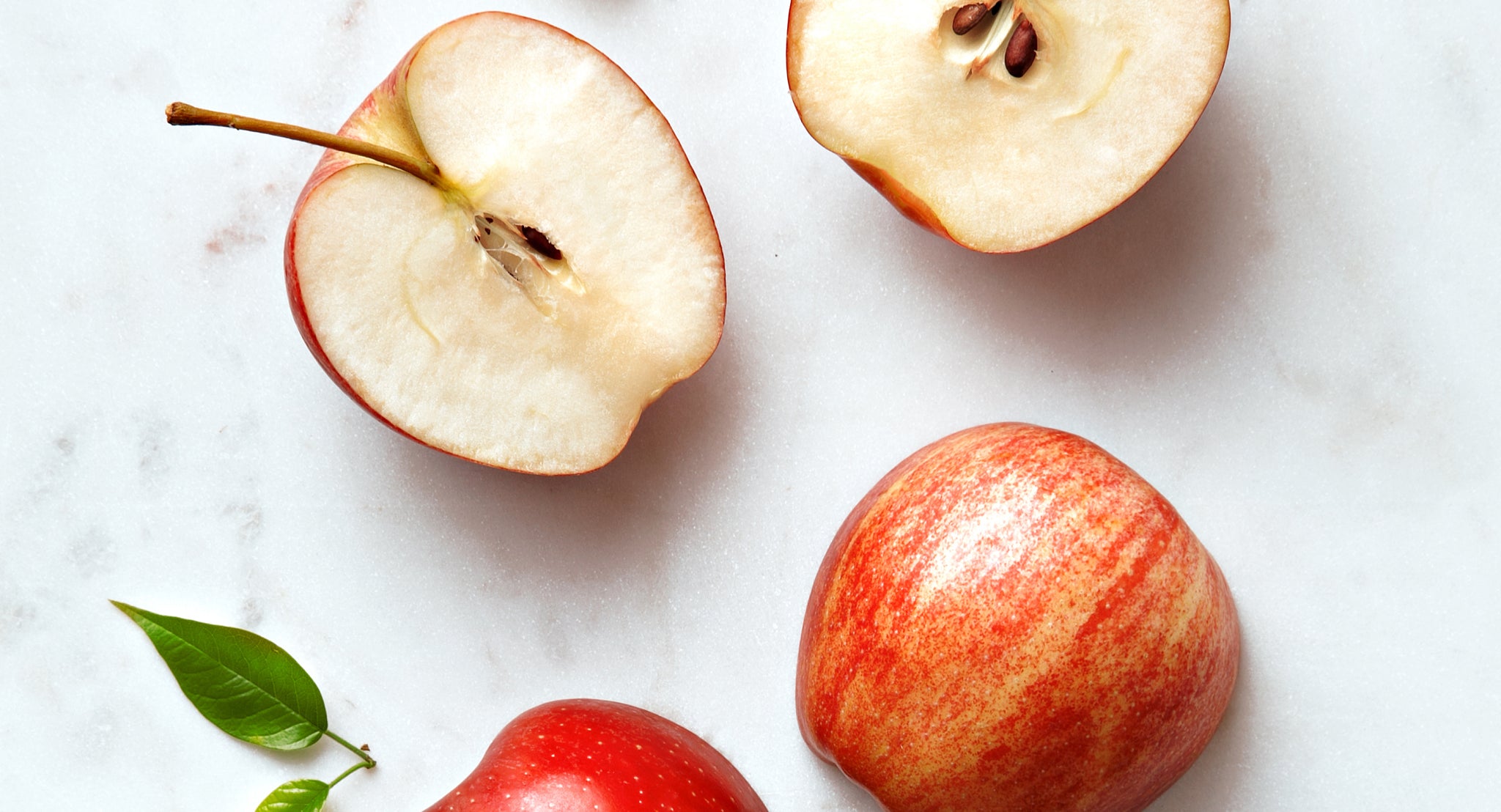
An apple-derived ingredient is an optional part of a skincare formula, not a necessary secret to healthy-looking skin. Judge the whole product’s moisturizing or other supported purpose rather than the fruit name or a promise of instant glow.
Once called the forbidden fruit, no other fruit shows up so frequently in Western art and literature as the apple. An apple started the Trojan War. The Norse gods owed their immortality to apples. And the most famous artists of our time have lyricized, painted, or romanticized them.
Apples provide nutrients and fiber as food. Eating them is not proof of liver detoxification, cancer prevention or skin whitening, and dietary findings do not establish the effects of an apple extract applied in a cosmetic.
Apples provide food nutrients, while topical apple preparations have their own composition and evidence. The presence of polyphenols or a familiar fruit name does not establish sunscreen protection, an effective vitamin C dose or prevention of premature aging.
Apple compounds attract antioxidant research, but an experimental antioxidant finding does not prove that every cream improves elasticity or slows skin aging. Check whether the actual finished formula has been evaluated in people for the claimed result.
Apple extract is not automatically an exfoliating acid product. An effective acid formula requires attention to ingredient identity, concentration, pH and directions. Do not infer the same exfoliation from a fruit extract in a cleanser, cream or mask.
Choose by the complete formula and how your skin responds. An apple-containing product is not guaranteed to suit every skin type, shrink visible pores or brighten a dull complexion simply because it contains a fruit-derived material.
A varied diet and a topical routine are different parts of everyday care. Enjoy apples as food without expecting a specific green variety or juice to produce a guaranteed skin change. The recipe below is a food suggestion, not a treatment or a substitute for a balanced diet.
Ingredients:
1 green apple
1 stalk of celery or ⅓ cucumber
1 cup of green spinach or 1 kale leaf
¼ cup water
1 teaspoon honey (optional)
Directions:
Apple ingredients may be part of a product you enjoy, but they are not essential to a complete routine. Prioritize a comfortable cleanser, moisturizer and appropriate sun protection; add an optional formula only when it serves a clear purpose.
Content updated October 10, 2026.
Identify whether you are comparing a moisturizer, a rinse-off cleanser or an exfoliating product. The same featured apple name can appear in products with different uses and exposure times. It does not establish that they contain the same extract or will deliver the same result.
Then check the directions and the rest of the ingredient list. A cream may improve comfort because of its complete moisturizing base; an acid product requires a separate discussion of strength and tolerance. Avoid giving the apple ingredient credit for every effect of a product containing several functional ingredients.
If you are evaluating research, compare the tested material with the material in the product. A seed oil, fruit extract and plant-cell extract should not be treated as interchangeable. Results from a cell experiment do not establish clinical wrinkle reduction, and a food nutrient finding does not identify an effective topical dose.
Use the apple ingredient guide for those distinctions and moisturizer selection for the practical routine decision. The juice recipe can remain an enjoyable food choice without being promoted as a skincare necessity.
For the distinction between a cosmetic benefit and a treatment claim, see FDA’s explanation of cosmetics and drugs.






