
Your Cart is Empty


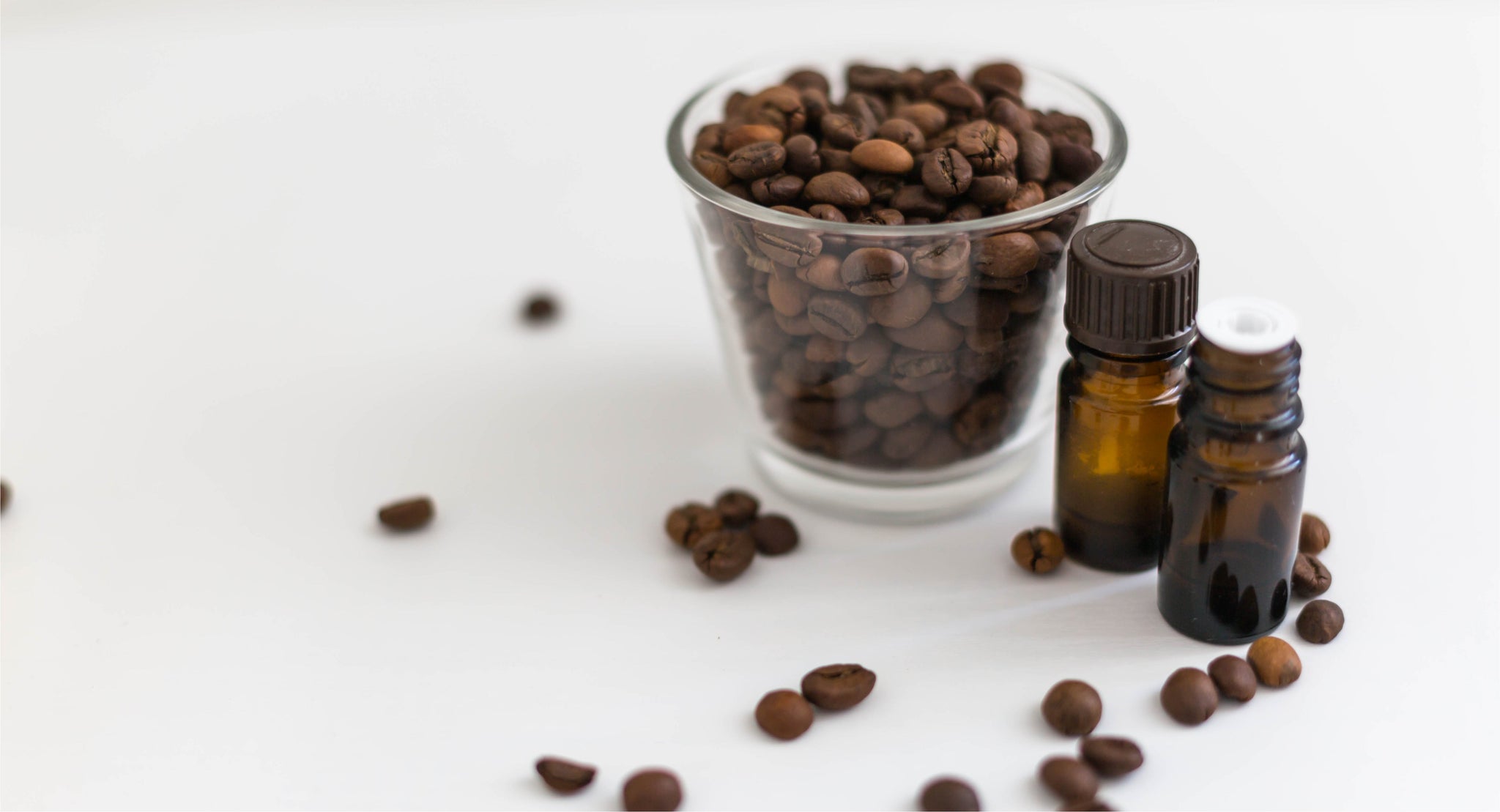
Coffee seed oil can contribute emollience to a cosmetic formula, helping it leave skin feeling softer. It is not interchangeable with caffeine, and its name does not establish that a body cream tightens skin, boosts circulation or reduces cellulite.
| Label term | What it tells you | What it does not establish |
|---|---|---|
| Coffea arabica seed oil | An oil ingredient obtained from coffee seeds | The caffeine dose or a demonstrated firming result. |
| Coffee extract | A preparation whose composition depends on extraction | Equivalence to seed oil or to another extract. |
| Caffeine | The identified caffeine ingredient | Its concentration, delivery or finished-product performance unless disclosed. |
Likewise, the aroma of brewed coffee, coffee grounds and a formulated leave-on oil are different preparations. Do not infer skin benefits from coffee’s effects when consumed as a drink.
A 2015 study of green coffee oil formulations examined skin compatibility, including short-term forearm use. It reported a slight reduction in water loss but no significant change in measured skin water content during the three-day observation. Its findings do not demonstrate long-term lifting or cellulite treatment.
Laboratory work on skin cells can suggest research questions, but it cannot by itself establish that a finished coffee oil cream rebuilds collagen in people. The complete formula, use conditions and measured outcome all matter.
Consider coffee oil as one part of a moisturizing base. Look for the rest of the formula: water-binding ingredients, other emollients, ingredients that limit water loss and any fragrance or actives. A product can feel rich without being a clinically established firming treatment.
Flawlessly Firm™ Toning Body Butter lists coffee seed oil together with glycerin, mango butter, sweet almond and avocado oils, and dimethicone. Its appropriate role here is a moisturizing body-butter option for people who tolerate the formula.
The formula contains fragrance and retinyl palmitate, a vitamin A derivative. Choose a fragrance-free alternative for fragrance-sensitive or actively irritated skin. Avoid retinoid-containing products during pregnancy or while trying to conceive; ask your clinician about use while breastfeeding. See our retinoid pregnancy and breastfeeding guide.
There is no basis to promise that from the ingredient name. Findings for a specific caffeine formulation cannot establish results for unquantified coffee oil in another cream. Our caffeine body-cream evidence guide separates those studies from botanical labeling.
For the underlying anatomy and realistic options, read the cellulite guide. A cream should not be described as pulling toxins or fluid from fat cells to reshape the body.
Follow the intended body-use directions and start on a small area. Do not apply a concentrated aromatic oil simply because it smells like coffee. Avoid vigorous coffee-ground scrubs on irritated skin, and stop a product that causes burning or a rash.
If your main concern is dryness, begin with the body moisturizer guide. If you already own a separate oil, compare body oil and lotion before adding more layers.
By Herbal Dynamics Beauty • Updated September 24, 2026






