Your Cart is Empty


Choose a hyaluronic acid serum when extra hydration is the main goal. Consider a vitamin C serum when antioxidant-focused care or uneven-looking tone is the priority. The categories can overlap: a vitamin C formula may already include hyaluronic acid and glycerin, so buying both is not automatically necessary.
This guide compares the purchase. For using ingredients together, the existing hyaluronic-acid pairing guide covers compatibility and order.
| Buying question | Vitamin C serum | Hyaluronic acid serum |
|---|---|---|
| Main reason to consider it | Antioxidant-focused care and a more even-looking complexion | Water-binding hydration and a temporarily plumper-looking surface |
| Key label detail | Vitamin C form, disclosed concentration, packaging and directions | Complete humectant/moisturizing formula and texture |
| Common practical issue | Irritation or formula stability; derivatives differ | Tackiness, pilling or insufficient moisturizing support alone |
| Does it replace sunscreen? | No | No |
| Does it erase deep wrinkles or scars? | No | No |
Start by checking moisturizer and cleanser. A hydration serum can be helpful, but persistent dryness does not automatically call for a stronger active. Use dry-skin serum choices if you need a richer supporting routine, or hydrating-serum choices for lightweight water-binding options.
Hyaluronic acid is not an exfoliating acid. Its name does not mean it performs the same job as glycolic or salicylic acid. The HA ingredient guide explains the background without turning a moisture goal into an exfoliation plan.
Vitamin C may be worth considering once your basic routine is comfortable. The evidence differs by form and finished formula. A product containing ethyl ascorbic acid is not the same preparation as a trial of L-ascorbic acid, and a higher advertised percentage is not a guarantee of a better outcome.
Use the vitamin C buying guide for stability and form questions. If you are still choosing among tone-focused ingredients, use the broader brightening-serum guide.
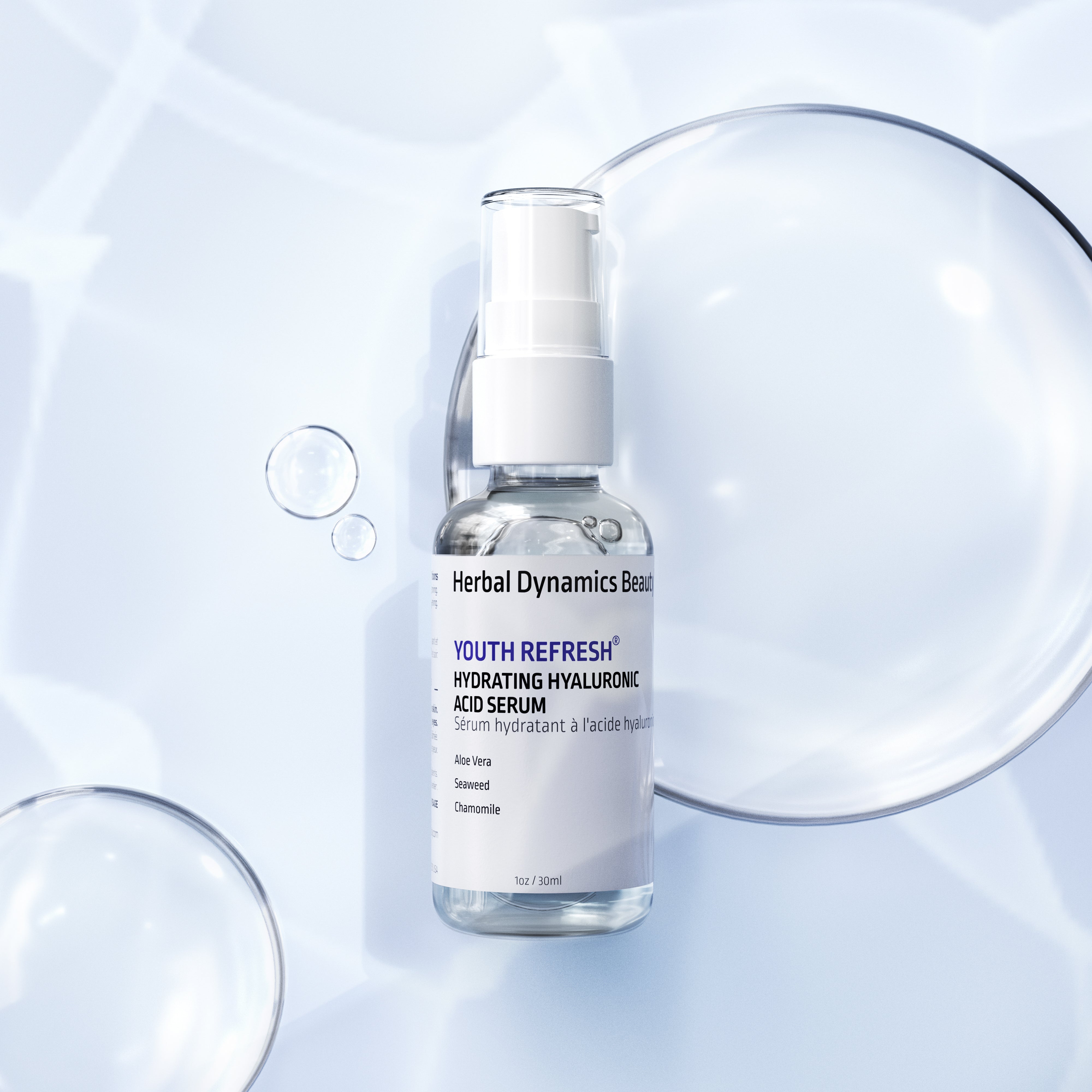
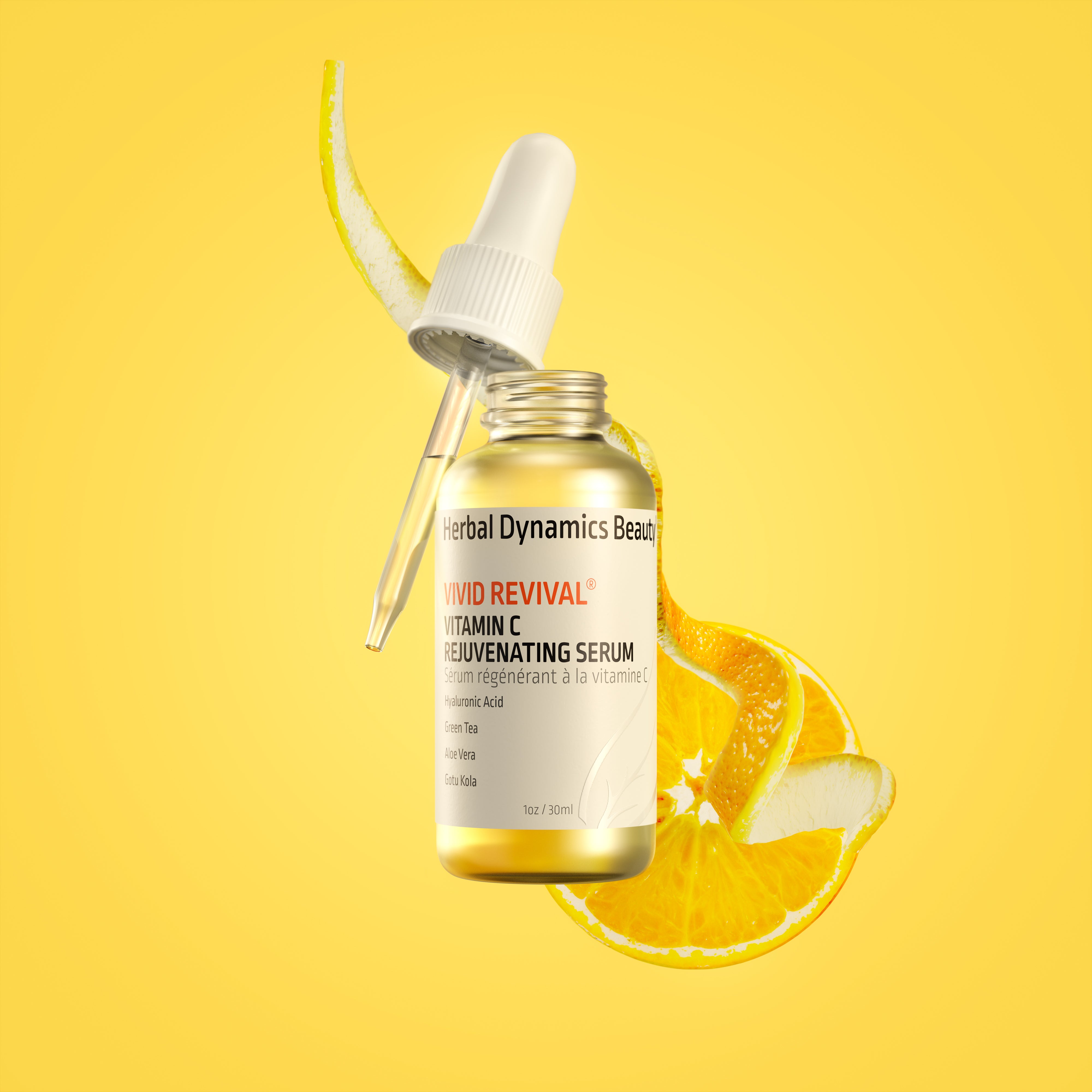
Our commercial interest: Herbal Dynamics Beauty sells the Youth Refresh® and Vivid Revival® serums discussed below. Product comparisons use current ingredient lists, directions and relevant evidence; they are not a head-to-head clinical trial.
Youth Refresh® lists hyaluronic acid, glycerin and sodium PCA with botanical extracts. Its primary role in this comparison is hydration. Vivid Revival® lists ethyl ascorbic acid alongside hyaluronic acid, glycerin and dexpanthenol. It therefore already combines vitamin C and humectant roles in one formula.
The current ingredient lists do not establish pure-HA or vitamin C percentages. Historical numbers in product URLs should not be used as concentration claims. Full-formula tolerance, including sensitivity to botanical ingredients, still matters.
Follow both labels and avoid duplicating layers that do not improve comfort. A typical water-based hydration step can fit before moisturizer, but there is no universal order dictated solely by the ingredient names. Read the hyaluronic-acid ingredient guide and the layering guide.
Judge the result by the job you chose: improved hydration is not proof of pigment reduction, and a vitamin C label is not evidence of sunscreen protection. The results guide and broader face-serum comparison help keep the purchase realistic.
By Herbal Dynamics Beauty • Updated September 25, 2026