Your Cart is Empty


A serum is a product format; a moisturizer is formulated to support hydration and skin comfort. Many serums focus on a particular ingredient or a light texture, while moisturizers often combine humectants, emollients and ingredients that reduce water loss. A serum does not automatically replace moisturizer, and using both is optional.
If you are choosing only one purchase because your face feels dry, examine your moisturizing routine first. If that is already comfortable and you have another specific goal, a serum may add something useful.
| Question | Serum | Moisturizer |
|---|---|---|
| What does the name tell you? | Usually a light or targeted cosmetic format; oils and emulsions can also be called serums | A product intended to moisturize, in textures ranging from light lotion to rich cream |
| Can it contain humectants? | Yes | Yes |
| Can it contain niacinamide, vitamin C or retinoids? | Yes, depending on the formula | Yes, depending on the formula |
| Does texture prove strength or penetration? | No | No |
| Will it be enough for dry skin alone? | Depends on the complete moisturizing system | Depends on formula, skin needs and the rest of the routine |
A watery humectant serum may improve the feel of hydration without supplying enough emollient or water-loss-reducing support for your face. A moisturizer can combine these functions in one step. This is a formula distinction, not proof that every cream is richer or every serum is weaker.
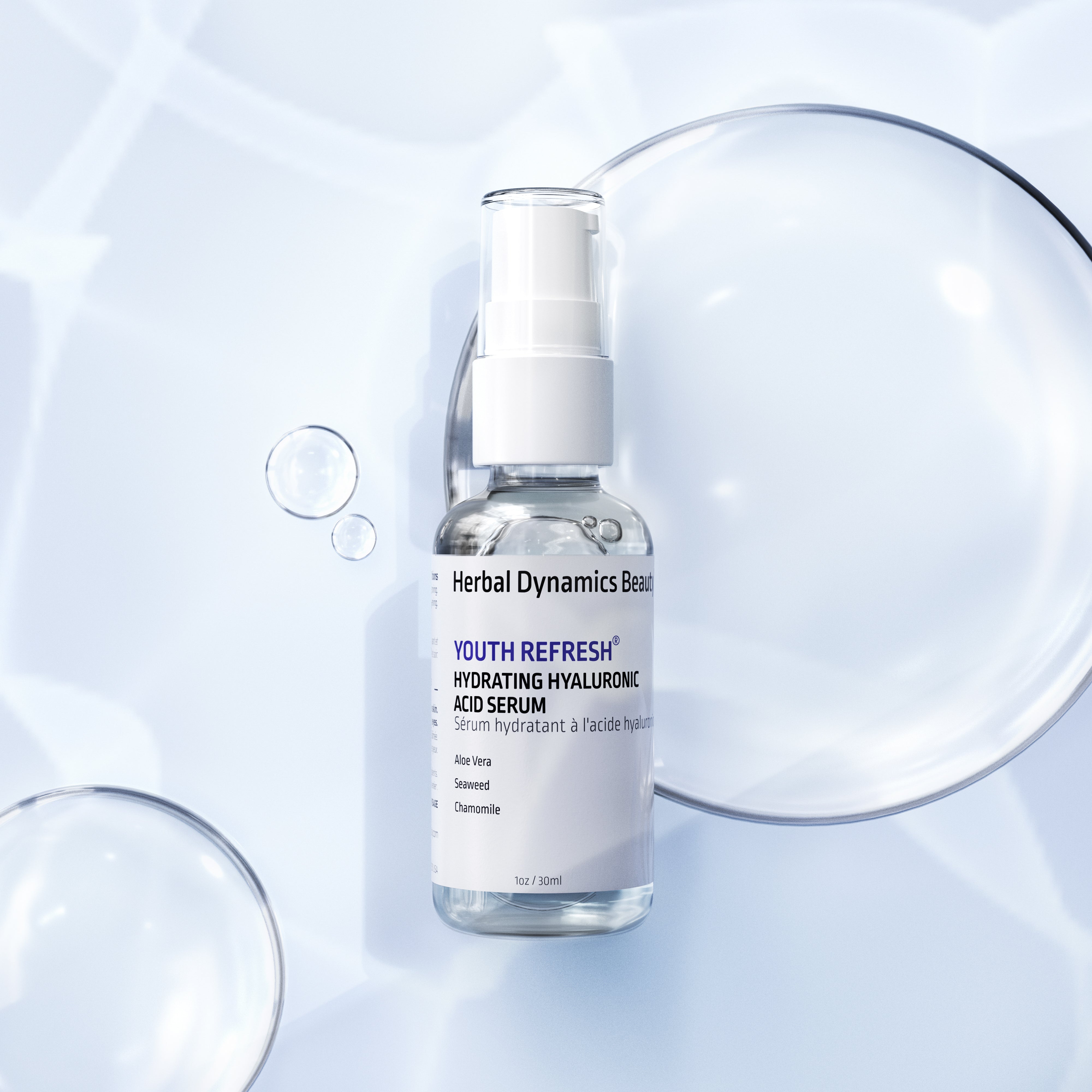
For example, Youth Refresh® Hydrating Hyaluronic Acid Serum is our own humectant-focused product. It can complement moisturizer when the extra layer is useful. It is not presented as a complete replacement for all facial creams. Compare hydrating serums and the moisturizer guide.
If you are choosing an additional hydration layer for persistently dry skin, use the dry-skin serum selection guide. Compare that optional role with what your moisturizer already supplies rather than assuming a serum can replace it.
Some people find a particular formula sufficient; others remain tight despite an oily surface. Choose by sustained comfort, not the belief that oily skin cannot need moisturizer. A light lotion may be more practical than several sticky hydrating layers.
The oily-skin serum guide separates hydration from shine management. If your face keeps peeling or burning, changing the active regimen may matter more than replacing cream with serum.
A typical water-based serum goes before moisturizer. A formula with specific medication, oil-phase or buffering instructions may differ. Follow those instructions rather than treating thin-to-thick as an absolute law. The layering guide covers toner, serum, moisturizer and sunscreen together.
You do not need to prove that one layer has “fully absorbed” before the next. Let the finish settle enough to spread the following product comfortably, unless a label specifies a wait.
Using both is less compelling when the moisturizer already contains the desired ingredient, the extra serum repeatedly irritates, or the combination makes sunscreen difficult to apply evenly.
A plain face oil primarily supplies oil-based ingredients; it is not the same as a humectant serum. An essence or ampoule may overlap with serum marketing. Compare face oil and serum and toner, essence, serum and ampoule to avoid buying different names for the same routine function.
Write down the problem you want to solve and what your current moisturizer already does. If you cannot explain the extra serum’s role, pause the purchase. For a genuine remaining need, use face serums by concern and application guidance.
By Herbal Dynamics Beauty • Updated September 25, 2026